
Vandaag of morgen in huis

Kwaliteit gegarandeerd

Welkomstaanbiedingen ontgrendelen: GRATIS bezorging | Tot 80% korting | Gratis 30 dagen JoyPlus-proefperiode
Download de app
Choosing a facial cleansing gel might seem straightforward: you look for a face wash, compare prices and pick a product that suits your skin type. But differences in ingredients, acidity and how a product feels on your skin can all affect the results. A product that lathers well isn’t automatically suitable for daily use, and a cleanser with lots of active ingredients may not be right for sensitive skin.
As a Joybuy Product Recommendation Officer, I filter through the key product information so you can compare marketing claims with verifiable specifications. Read on to find out which pitfalls to avoid and which gel cleanser could suit different skin types and routines.
A cleanser that lathers heavily can feel pleasant to use, but foam alone says nothing about how well it cleanses. Look at the cleansing agents used, such as amino acid- or coconut-derived surfactants. Pay attention to how your skin feels after rinsing, too. If it feels tight, the formula may be too stripping for your skin.
Ingredients such as glycerine, panthenol, hyaluronic acid or betaine may help your skin retain moisture while you cleanse, according to the product description. However, a cleanser only stays on your skin for a short time. Think of a hydrating facial cleanser as a formula that may help your skin feel comfortable, rather than as a replacement for moisturiser.
A cleanser for oily or acne-prone skin may contain salicylic acid, tea tree oil, BHA or PHA, for example. This may suit a routine focused on removing excess oil and impurities. But if you also use several exfoliating products, the combination may feel less comfortable on your skin. Always check the ingredients list and follow the warnings on the packaging.
A low pH cleanser often has a pH of around 5 to 6. For example, SOME BY MI Snail TrueCICA Miracle Repair Low pH Gel Cleanser lists a pH of 5.5. Some By Mi and Dr. Althea formulas are also described as mildly acidic. A low pH doesn’t guarantee that a product will suit everyone, but it’s a specification you can check and take into account.
Also check which surfactants appear near the top of the ingredients list. Coco-betaine, glucosides, glutamates and amino acid-based cleansers are often used in gentle formulas. The order of the ingredients gives you a practical indication of the formula, although it doesn’t tell you everything about how it will feel on your skin.
A 50 ml pack is handy for taking with you or trying a product out first. Sizes from 100 to 200 ml are usually more practical for everyday use, morning and evening. Check the packaging for the expiry date, batch information and period after opening, such as 12M where stated.
A facial cleansing gel is usually applied to a damp face. Massage it in gently with lukewarm water, then rinse thoroughly. Rubbing hard or using very hot water may leave your skin feeling uncomfortable, whatever the formula.
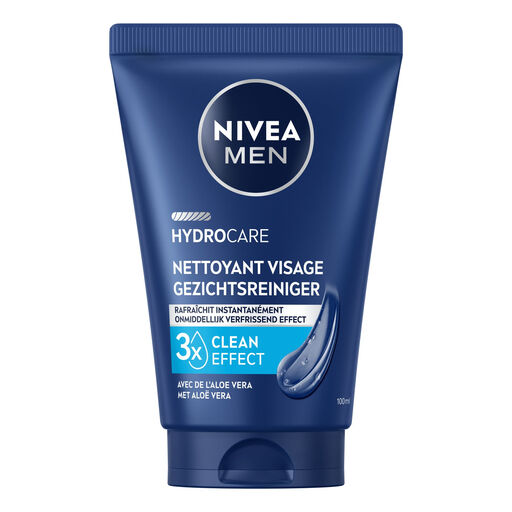
Why it suits this profile: A straightforward 100 ml face wash for anyone looking for an everyday facial cleanser without a complicated routine. The product information states that it is suitable for all skin types.
The ingredients list and size are clearly provided. However, bear in mind that it contains fragrance, menthol and alcohol denat. if your skin is sensitive to these ingredients.
100 ml; glycerine, panthenol and aloe vera are listed in the product information; designed for daily cleansing.
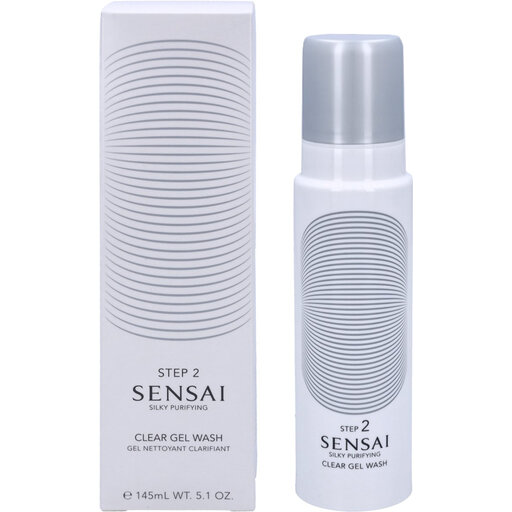
Why it suits this profile: For anyone who appreciates premium packaging, a pump bottle and a gel texture suitable for all skin types. It comes in a 145 ml size.
The product details specify a gel formula and include usage warnings. The ingredients list includes fragrance, alcohol, limonene and linalool, so take note if you have sensitive skin.
145 ml; pump bottle; the product description says it is designed to remove impurities without disrupting the skin’s moisture balance.

Why it suits this profile: For anyone looking for a cleanser for oily or acne-prone skin and wanting to compare a formula with salicylic acid.
The 0.5% salicylic acid concentration is stated. Don’t automatically use it alongside several exfoliating products, and stop if irritation occurs.
150 ml; salicylic acid, tea tree oil and willow bark water are listed in the product information; designed for combination, oily and acne-prone skin.
We’ve put together a full, up-to-date list of products that meet these strict selection criteria and the applicable European safety regulations.
That depends on the formula and how your skin reacts. A gentle facial cleanser without strong exfoliating ingredients may suit many people for use morning and evening. If you have sensitive skin, you could start by using it once a day. Always follow the instructions on the packaging.
Check the expiry date, batch information and the period-after-opening symbol. Some products, for example, state that they can be used for 12 months after opening. Keep the cleanser closed, somewhere dry and out of direct sunlight. If its smell, colour or texture changes, stop using it.
Not every gel cleanser fully removes waterproof make-up. If you’re wearing heavy or water-resistant make-up, you may need a separate remover, followed by a facial cleanser. Check the product description: some formulas are described as make-up removers, but their suitability can vary depending on the product and type of make-up.
