
Vandaag of morgen in huis

Kwaliteit gegarandeerd

Welkomstaanbiedingen ontgrendelen: GRATIS bezorging | Tot 80% korting | Gratis 30 dagen JoyPlus-proefperiode
Download de app
A facial cleansing foam might seem straightforward: apply, massage in, and rinse off. Yet many people end up buying a product that cleanses too harshly, leaves the skin feeling tight, or simply sounds appealing because of marketing claims. This applies just as much to a Korean facial cleanser as it does to a Japanese facial cleanser from the chemist or an online shop.
A rich lather can feel thorough, but on its own it says nothing about whether a product is suitable for your skin. A formula can foam up generously and still feel uncomfortable on dry or sensitive skin. So don't just look at the texture – check the ingredients list and usage instructions too.
A facial cleanser for oily skin can remove excess sebum and daily impurities. That doesn't automatically mean pores will become permanently smaller or that spots will disappear. A cleanser is rinsed off quickly and therefore has a different function from a leave-on product.
With a salicylic acid facial cleanser, it's wise to check the concentration, frequency of use and any warnings on the packaging. Product information about exfoliation or acne care is not a medical guarantee.
Centella, rice extract, hyaluronic acid and plant extracts sound appealing, but the full formula determines how a product feels. Fragrance, essential oils and certain preservatives, for example, may be less suitable if your skin reacts quickly. According to a brand's own research, ingredients can support a particular skin benefit, but this shouldn't be read as a guaranteed result for every user.
Pay attention to the surfactants used. Amino-acid-based or gentler cleansers are often chosen for a mild facial cleanser, while heavily degreasing formulas can leave some users with a dry feeling.
A good practical test:
Stop if irritation occurs and always check the official packaging. "Dermatologically tested" describes a brand's test claim and is not a guarantee that every skin type will tolerate the product without issue.
For dry or normal skin, look for glycerin, panthenol, betaine, squalane or hyaluronic acid. These ingredients are used in product formulas to make the skin feel more comfortable after cleansing. However, a hydrating facial cleanser does not replace a moisturiser.
For oily or combination skin, light foaming formulas can be pleasant. Products with salicylic acid or other acids require extra attention to tolerance. Do not use multiple exfoliating products at the same time without carefully following the instructions.
For sensitive skin, a short ingredients list isn't automatically better, but it can be clearer. Fragrances and tea tree oil can cause reactions in some people. A facial cleanser for sensitive skin should therefore be tried on a small area first.
Compare the volume in millilitres or grams, not just the price of the packaging. A pump bottle can be handy for daily use, while a tube is suitable for travel. A 50 ml mini size is practical for trying a product first or taking with you, but it usually costs more per use than a 150 ml or 180 ml pack.
Wash your face with lukewarm water. Use a small amount; for a concentrated foam cleanser, work up a lather in your hands first and massage without rubbing too hard. Most cleansers are intended for external use only and should not get into your eyes.
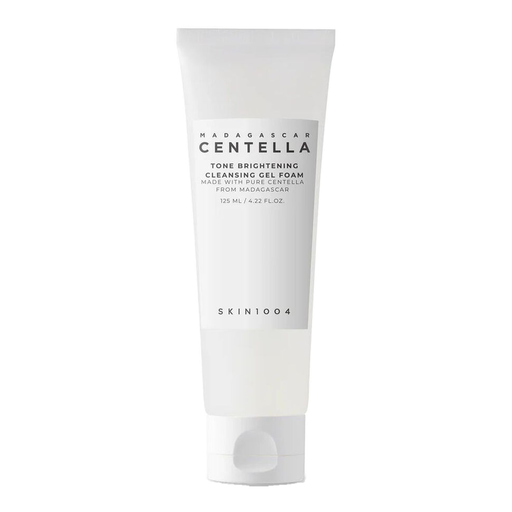
Why this fits the profile: The pack contains 150 ml and the gel forms a foam when mixed with water. This makes this Centella facial cleanser suitable for anyone looking for a simple daily routine.
The product information lists specific ingredients such as Centella Asiatica, glycerin and panthenol, rather than just general terms about deep cleansing.
150 ml volume; gel texture; contains Centella Asiatica, madecassoside and hydrating ingredients.
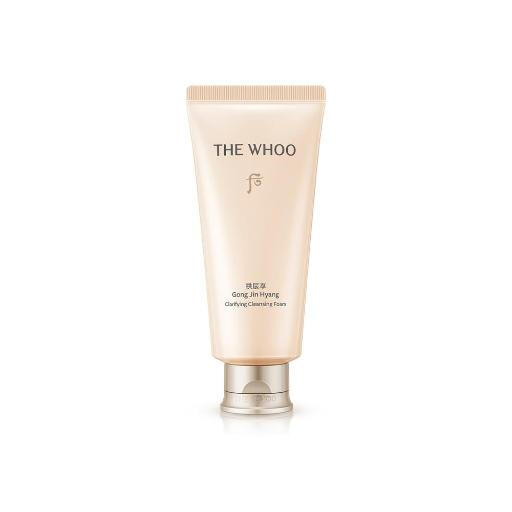
Why this fits the profile: If you value a larger pack size and Korean herbal extracts, you can compare this cleansing foam based on the stated volume and ingredients.
The product page mentions a volume of 180 ml and specific ingredients such as ginseng extract, liquorice extract and mild surfactants. Check the current packaging for the full INCI list.
180 ml volume; traditional Korean ingredients according to the product description; intended for the face and all skin types, according to the stated specifications.
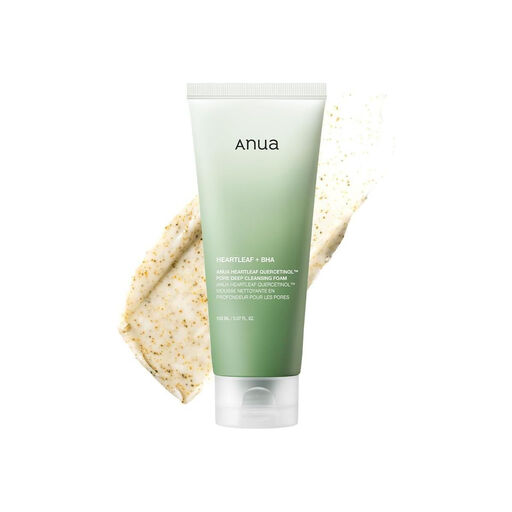
Why this fits the profile: According to the product information, the formula contains salicylic acid and capryloyl salicylic acid, making it interesting for anyone who wants to target sebum and impurities in their cleansing routine.
The ingredients list makes the exfoliating agents visible. This allows you to make a more informed decision about whether daily use suits your skin, rather than just relying on "pore deep cleansing" claims.
150 ml volume; heartleaf extract according to the product description; contains salicylic acid and multiple forms of hyaluronic acid.
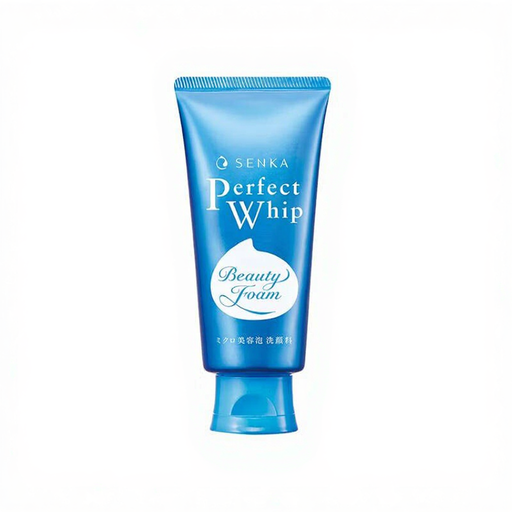
Why this fits the profile: This Japanese facial cleanser comes in a 120 g tube with a foaming formula. That makes it suitable for anyone looking for a recognisable face wash for daily use.
The stated formula includes glycerin, sodium hyaluronate and silk extract among other ingredients. The hydration claims come from the brand's product description; check the ingredients and warnings before purchase.
120 g volume; rich foam texture according to the product information; ingredients list available for comparison.
We've put together a full, up-to-date list of products that fully meet these strict selection criteria and comply with current European safety regulations.
Use it morning and evening only when it feels comfortable and the product packaging supports this. Wet your face, take a small amount and massage gently in circular motions. If you're wearing make-up or sunscreen, a first cleansing step with an oil or balm cleanser may be necessary. Rinse thoroughly with lukewarm water and pat dry.
You can try a new product on a small area of skin first. If you experience redness, itching, swelling or a stinging sensation, stop using it. For persistent issues, it's wiser to seek advice from a doctor or dermatologist than to switch between multiple products.
That depends on the formula and your skin. A mild facial cleanser without strongly exfoliating ingredients is often chosen for daily use. With salicylic acid, AHA, BHA or PHA, you should follow the usage instructions and watch out for dryness or irritation.
Check the expiry date, batch information and any period-after-opening symbol on the packaging. Store the cleanser in a cool, dry place, close the tube or pump properly and keep the product out of direct sunlight. If the smell, colour or texture changes, do not continue using it.
Not automatically. Compare the price per 100 ml or per gram, the recommended amount per use and the volume of the packaging. A 150 ml product can be more cost-effective for daily use, while a 50 ml mini size is mainly suitable for travel or trying out first.
