
Vandaag of morgen in huis

Kwaliteit gegarandeerd

Welkomstaanbiedingen ontgrendelen: GRATIS bezorging | Tot 80% korting | Gratis 30 dagen JoyPlus-proefperiode
Download de app
A facial cleanser may seem like a simple purchase, but the range varies considerably in texture, ingredients and acidity. The wrong choice can leave your skin feeling tight, looking shinier or becoming irritated. Particularly if you use a face wash every day, it is worth looking beyond attractive packaging or popular ingredients.
Brands’ product descriptions also regularly contain claims about cleansing pores, smoother skin or fewer blemishes. According to the ACM, recommendations must remain verifiable. That is why we focus here on specific features such as pH level, skin type, texture, volume and ingredients.
A lot of foam can feel fresh and clean, but on its own it says little about whether the product suits your skin. A foaming cleanser with a strongly degreasing effect may feel uncomfortable on dry or sensitive skin. So check the full ingredients list rather than focusing only on how much foam it produces.
A product may be described as suitable for all skin types, while your skin may actually need a fragrance-free formula, a low pH or a less intensive cleanse. Also check whether it contains essential oils, fragrance, acids or tea tree oil. These ingredients are not necessarily problematic for everyone, but they may cause sensitivity in some users.
A facial cleanser for acne or oily skin may contain ingredients such as salicylic acid, betaine salicylate or plant extracts. That does not automatically make the product suitable for daily use on every skin type. A brand’s product description may state that an ingredient can help with excess sebum or blemishes, but this is not a medical guarantee. Stop using the product if irritation persists and seek advice from a doctor or pharmacist if necessary.
A low-pH cleanser generally has a pH closer to the skin’s natural acidity. Product information for various Korean facial cleansers mentions values of around pH 5 to 5.5. This may suit people whose skin quickly feels tight or dry after washing.
A low pH is not automatically proof of quality. Also consider the cleansing agents, fragrances and your own skin’s reaction. Rinse the face wash off with lukewarm water and do not rub hard with a towel.
When wearing make-up or water-resistant sun cream, a facial cleanser alone may not be enough. In that case, first use a suitable make-up remover or oil-based product, followed by a gentle facial cleanser, unless the instructions for use state otherwise.
Do not just compare the name of an active ingredient; also look at its concentration, position in the ingredients list and total volume. A 50 ml pack is convenient for travelling, while 125 to 150 ml may make more sense for daily facial cleansing at home.
For sensitive skin, fragrance, alcohol, essential oils and exfoliating acids may be worth checking carefully. According to the product description, a formula containing glycerine, betaine or hyaluronic acid may help the skin feel comfortable, but the effect varies from person to person.
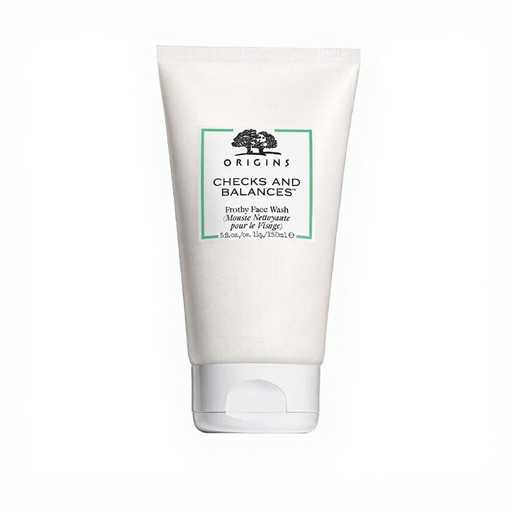
Why it suits this profile: If you are looking for rich foam and a larger pack, this offers a clear combination of size, gel texture and foaming formula.
The product details mention more than just foam: they also specify the gel texture, 150 ml volume and ingredients such as glycerine and kelp extract.
150 ml, foaming formula and gel texture; according to the product information, it is suitable for use during the day and in the evening.
We have compiled a complete, up-to-date list of products that fully meet these strict selection criteria and the applicable European safety regulations.
If you have sensitive skin, introduce a facial cleanser gradually. Test a new formula on a small area of skin first. Do not automatically use exfoliating cleansers more often just because the packaging suggests it.
For most adults, cleansing once in the evening is a practical way to remove dirt, sebum, sun cream and make-up residue. In the morning, water or a mild facial cleanser may be enough, depending on your skin type and overnight skincare routine.
Check the expiry date, batch information and the period-after-opening symbol on the packaging. Some product information may state, for example, 12 months after opening, but the packaging of your individual product takes precedence. Keep the cleanser closed, dry and out of direct sunlight.
Not automatically. Korean skincare offers many gel, foam and low-pH formulas, but the ingredients vary from product to product. A gentle, fragrance-free facial cleanser may be a more logical choice for sensitive skin, while a formula containing salicylic acid may be worth considering for oily or blemish-prone skin. Always compare the ingredients and choose a texture you can use comfortably every day.
