
Vandaag of morgen in huis

Kwaliteit gegarandeerd

Welkomstaanbiedingen ontgrendelen: GRATIS bezorging | Tot 80% korting | Gratis 30 dagen JoyPlus-proefperiode
Download de app
A facial cleanser may seem like a simple product, but the range varies considerably. You will find everything from Korean skincare cleansers and Japanese facial cleansers to face washes, facial cleansing gels and cleansing foams. The right choice depends not only on the brand or packaging, but above all on your skin type, how you use make-up and the ingredients.
Many consumers buy products based on terms such as “pore cleanser”, “hydrating” or “mild”. On their own, these words do not tell you much. Always check the full product description, ingredients list, contents and usage warnings.
A cleanser that lathers heavily can feel pleasant, but lots of foam does not automatically mean that a product is suitable for daily use. A tight feeling after washing may indicate that the formula is too stripping for your skin. Dry or sensitive skin in particular may benefit from a gentler facial cleanser containing glycerine or other moisture-binding ingredients.
Claims such as “suitable for all skin types”, “non-comedogenic” or “hypoallergenic” do not guarantee that everyone will tolerate the product without problems. Look at the specific product information and check whether the ingredients list includes fragrance, essential oils, exfoliating acids or alcohol.
When a brand mentions a particular effect, treat it as a product claim. For example, lists salicylic acid and use for oily or blemish-prone skin for certain cleansers. This does not mean that a cleanser treats a skin problem. If irritation or other concerns persist, it is wiser to seek advice from a doctor or dermatologist.
A 200 ml bottle may seem good value, but you often use a cleansing oil differently from a face wash. A 30 or 50 ml mini can also be useful for trying out a formula first. Therefore, compare the contents in millilitres or grams, the number of pumps required and whether you will use the product daily or only to remove make-up.
For dry skin, you may wish to look for glycerine, betaine and other moisture-binding ingredients. Sensitive skin may benefit from a short, straightforward ingredients list without fragrance, although natural extracts can also cause irritation for some people.
For oily or blemish-prone skin, ingredients such as salicylic acid, tea tree oil or clay are often mentioned. Use these formulas as directed and do not immediately combine several exfoliating products. SOME BY MI’s product description mentions AHA, BHA, PHA and salicylic acid, making this mini particularly suitable for cautiously assessing your skin’s tolerance first.
A product from Korea or Japan is not automatically better suited to Dutch skin. Check:
A statement such as “dermatologically tested”, “vegan” or “cruelty-free” comes from the product information. If in doubt, check the packaging and brand details. Stop using the product if you experience redness, itching or a burning sensation.

Why it suits this profile: This gel cleanser comes in a manageable 100 ml size and is intended for daily cleansing. The product information lists glycerine, plum water and mung bean extract.
The gel texture is clearly described, so you do not have to rely solely on the term “deep cleansing”. The tube states 100 ml and the warnings are included in the product information.
100 ml; gel texture; fragrance-free and free from essential oils according to the product listing.
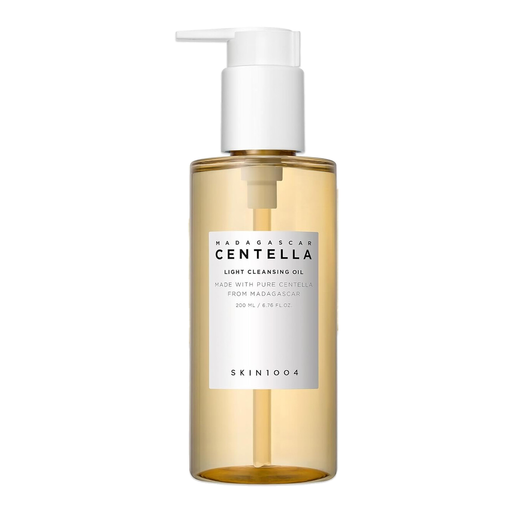
Why it suits this profile: If you use sunscreen or make-up every day, you may wish to consider a cleansing oil as the first step in your routine. According to the product description, this model contains six plant oils and Madagascar Centella extract.
The directions are specific: apply to a dry face with dry hands, then rinse off. This helps prevent you from using an oil like an ordinary face wash.
200 ml; lightweight oil texture; intended for removing make-up and sunscreen residue.

Why it suits this profile: According to the product information, this cleanser contains 0.5% salicylic acid and is marketed for combination, oily or blemish-prone skin. This makes the choice of ingredients clearer than a general “pore cleanser” claim.
The salicylic acid concentration is stated. If you have sensitive skin, carry out a small patch test first and do not combine it with other acidic products without a clear plan.
150 ml; 0.5% salicylic acid according to the product description; also contains tea tree oil.
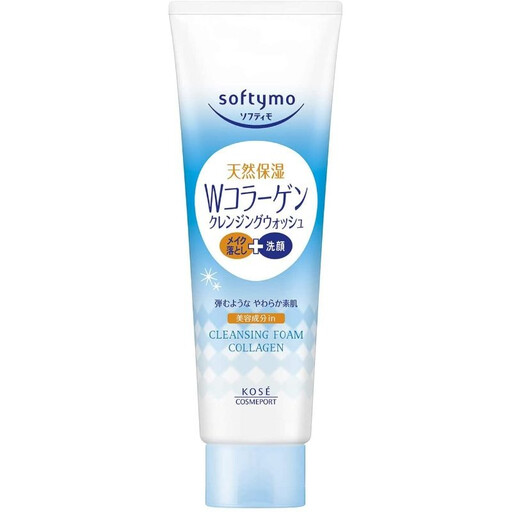
Why it suits this profile: This Japanese facial cleanser has a relatively generous 190 g size and is intended for use in the morning and evening.
The product page states a clear dosage, gentle massage and thorough rinsing. This makes it easier to limit overuse.
190 g; Japanese origin; suitable for a regular morning and evening routine according to the directions.
We have compiled a complete, up-to-date list of products that fully meet these strict selection criteria and the applicable European safety regulations.
Wet your face with lukewarm water and use a small amount of product. Massage without rubbing harshly and rinse thoroughly. With a cleansing oil, you will generally start on dry skin. If you wear make-up or apply a lot of sunscreen, double cleansing can be practical: oil first, followed by a water-based cleanser.
Do not automatically wash your face more often because you have oily skin. Cleansing too frequently can feel uncomfortable. Follow the packaging instructions and adjust the frequency if your skin becomes dry, red or sensitive.
Preferably choose a formula with few potentially irritating ingredients and check for fragrance, essential oils and exfoliating acids. A “mild facial cleanser” is not automatically suitable for everyone. Test a new product on a small area of skin first.
For many people, cleansing once in the evening is practical, particularly after applying sunscreen or wearing make-up. According to their directions, some products are suitable for morning and evening use. If you have dry or sensitive skin, cleansing less frequently may feel more comfortable.
Check the expiry date, batch number and the symbol indicating the period after opening on the packaging. Store the cleanser in a cool, dry place away from direct sunlight, and close the tube or bottle after use. This helps minimise waste and changes in texture or fragrance.
