
Vandaag of morgen in huis

Kwaliteit gegarandeerd

Welkomstaanbiedingen ontgrendelen: GRATIS bezorging | Tot 80% korting | Gratis 30 dagen JoyPlus-proefperiode
Download de app
A facial cleanser may seem like a simple skincare product, but there are major differences in texture, ingredients and how it is used. A foaming facial cleanser can feel pleasant on oily skin, while a cleansing cream or cleansing milk may be better suited to dry skin. Someone who wears a lot of make-up will also have different requirements from someone looking to remove excess sebum and impurities.
However, the packaging does not always tell the whole story. Before buying a facial cleanser, watch out for these common pitfalls.
A tight or taut feeling after washing is sometimes seen as proof that the skin has been cleansed properly. It can also mean that the skin has lost a lot of moisture and oils. This is particularly true for dry or sensitive skin, where a strongly foaming formula may feel less comfortable.
Instead, look at the instructions, texture and skin types the product is intended for according to its description. A hydrating facial cleanser does not have to feel heavy or greasy.
Words such as “pore-free”, “deeply purifies” or “visible results” mean little without information about the ingredients, concentrations and frequency of use. According to NIVEA’s own research, the DERMA Skin Clear formula contains a combination of AHA, BHA and niacinamide; this is a brand claim and does not guarantee the same results for every user.
An exfoliating facial cleanser or leave-on exfoliant containing acids also requires extra care. The product information warns that AHA and salicylic acid can increase sensitivity to sunlight. Use the formula according to the label and apply sun protection during the day.
Light make-up can often be removed with a gentle cleansing milk or micellar milk. Removing waterproof make-up usually calls for an oil-based texture, such as a cleansing balm or cleansing cream. Rubbing hard around the eyes is not a good solution when a product does not dissolve make-up sufficiently.
Also check whether the formula is intended for the face, eyes and, where applicable, lips. This information varies from product to product.
Check the ingredients list, especially if you have experienced irritation in the past. Fragrance can cause a reaction in some users. For example, NIVEA Essentials Soothing Cleansing Cream contains fragrance and the product information states that it may cause allergic reactions.
For dry skin, glycerine, oils and a cream base can feel pleasant. For sensitive skin, a fragrance-free formula may be a practical choice. Clinique states that its All About Clean All-in-One Cleansing Micellar Milk + Makeup Remover is fragrance-free, non-foaming and suitable for dry skin. These are the brand’s product specifications; individual tolerance may vary.
For oily or acne-prone skin, gentle cleansing and easy rinsing are important. An acne and blackhead cleanser is not a substitute for treating skin problems. If symptoms persist or are severe, seeking advice from a GP or dermatologist is wiser than repeatedly changing cleansers.
If you have sensitive skin, test a new product on a small area first. Stop using it if you experience a burning sensation, itching, swelling or a rash, and consult a doctor if necessary.
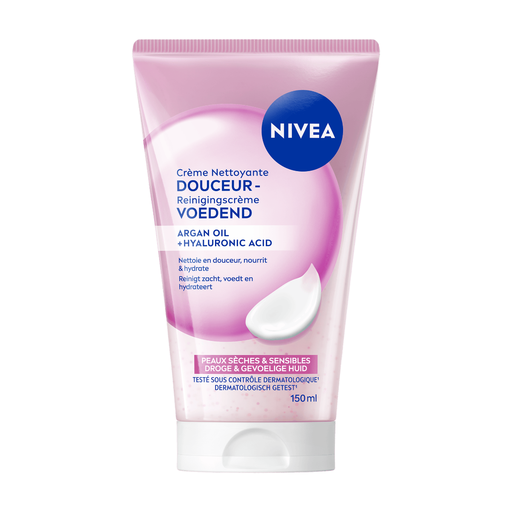
Why it suits this profile: The cream base and 150 ml size make this a straightforward choice for daily facial cleansing, particularly for dry or sensitive skin.
The product description highlights gentle cleansing without vigorous rubbing. Do check the fragrance information if your skin is sensitive to it.
Glycerine, almond oil and a creamy texture; suitable for use on wet skin and for removing everyday impurities.
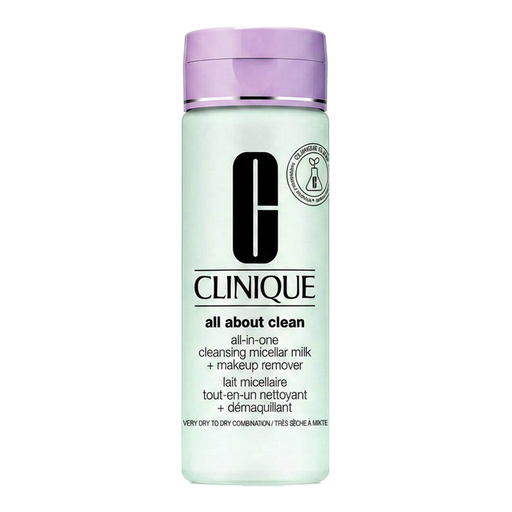
Why it suits this profile: According to the product information, this non-foaming micellar milk is intended for the face, lips and eyes, making it suitable for users who value comfort and a fragrance-free formula.
The product specifications mention a rich, non-foaming texture and fragrance-free formula, so you are less likely to judge it solely by a “tight” feeling after washing.
200 ml capacity; suitable for dry skin and, according to the product information, allergy-tested and non-comedogenic.
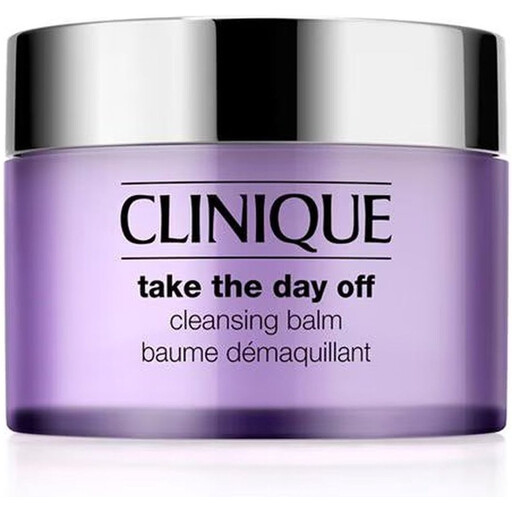
Why it suits this profile: This cleansing balm is designed for users who regularly wear foundation, long-lasting or waterproof make-up and prefer an oil-based dissolving phase.
According to the product description, the balm turns into an oil as it is massaged in. This means less force is needed when removing waterproof make-up.
Balm-to-oil texture; intended for stubborn make-up and daily use on normal skin.
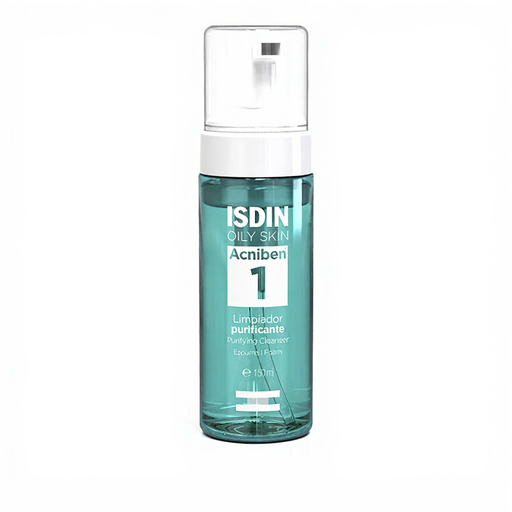
Why it suits this profile: The product specifications focus on oily or acne-prone skin and state that it should be used morning and evening on damp skin.
The formula is described as a syndet and contains, among other ingredients, lactic acid and arginine. This gives you more guidance when choosing than a general claim about “deep” cleansing.
150 ml with pump dispenser; product information mentions zincamide, trimethylglycine and use without a greasy residue.
We have put together a complete, up-to-date list of products that fully meet these strict selection criteria and the applicable European safety regulations.
For most adults, cleansing once in the evening is a practical way to remove make-up, sun cream, sebum and dirt. In the morning, lukewarm water may be enough, depending on your skin type and overnight skincare routine. Always follow the instructions when using a specific formula.
The shelf life is stated on the packaging. Look for an expiry date, a symbol indicating the period after opening, such as 12M, and any changes in smell, colour or texture. Store the product at room temperature and out of direct sunlight if this is recommended on the label.
Not always. A cleansing balm or product explicitly intended for make-up and eyes can combine several steps. With waterproof make-up, a separate make-up remover or an oil-based first cleanse may be more practical. Always check whether the product is suitable for the eye area and rinse immediately with water if it comes into contact with your eyes.
