
Livraison le jour même et le lendemain

Qualité garantie

Débloquez vos offres de bienvenue: Livraison GRATUITE | Jusqu'à -80 % | 30 jours d'essai gratuits à JoyPlus
Téléchargez l'application
A facial cleanser should remove make-up, SPF, sebum and dirt without leaving your skin feeling tight after washing. However, choosing the right product is not always straightforward. Cleansing oils, cleansing balms, foaming cleansers and scrubs each serve a different purpose. If you only focus on an appealing claim on the packaging, you could end up buying a product that does not suit your daily routine or skin type.
Joybuy Product Recommendation Officer has listed the key points to consider. This makes it easier to compare facial cleansers based on verifiable properties rather than marketing language.
A scrub containing acids or grainy particles can help loosen dead skin cells and surface impurities. That does not automatically make it suitable for use twice a day. For example, the product information for NIVEA DERMA Skin Clear recommends using it a maximum of two to three times a week. Daily use may cause discomfort or irritation for some people.
For normal facial cleansing, a gentle gel, oil or cream cleanser is usually a more sensible choice. Only use a scrub when the instructions and your skin allow it.
A product described by the brand or seller as suitable for all skin types may still contain fragrances, essential oils or other ingredients that you are sensitive to. Always check the full ingredients list and usage warnings.
When choosing a cleanser for sensitive skin, a short ingredients list, clear safety information and a cautious introduction are more important than a broad claim on the front of the packaging.
Waterproof make-up, mascara and sun cream often adhere to the skin more firmly than ordinary sweat or dust. A cleansing wipe can be useful when you are out and about, but vigorous rubbing is best avoided. For removing waterproof make-up every day, a cleansing oil or cleansing balm is often a more practical option. Apply these products to dry skin, massage them in, then emulsify with water.
Do not focus only on terms such as “hydrating” or “cleans pores”. Check whether the product contains fragrance, alcohol, essential oils or exfoliating acids. According to its own product information, NIVEA DERMA Skin Clear contains salicylic acid and niacinamide, among other ingredients, and is intended for a maximum of two to three applications per week. The manufacturer also warns that salicylic acid may increase sensitivity to sunlight; therefore, use a sun protection product during the day and limit excessive exposure to the sun.
For a cleanser for dry skin, practical points to consider include glycerine, oils or a cream-like texture. A cleanser for oily skin does not need to be strongly degreasing: an excessively stripped feeling may actually be a reason to cleanse less often or choose a gentler product.
Compare the volume in millilitres with the price. A 100 ml pot of cleansing balm can last a long time when you use a small amount each time, while an oil in a pump bottle can be dispensed quickly and hygienically. Also check:
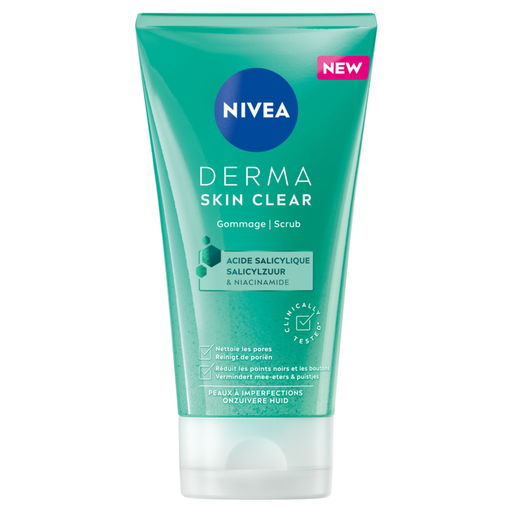
Why it suits this profile: This scrub is an affordable addition for anyone looking for an exfoliating product for the face and body to use occasionally alongside a daily cleanser.
The instructions recommend using it a maximum of 2 to 3 times a week. This makes it clear that it is not a replacement for a daily facial cleanser.
150 ml; contains salicylic acid and niacinamide according to the product information; clear warning about sun sensitivity.
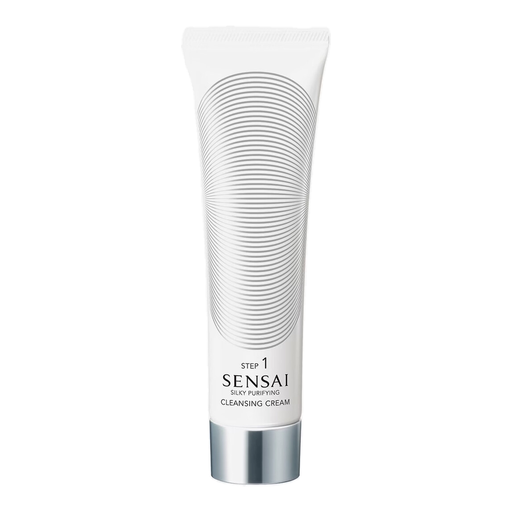
Why it suits this profile: This cream is designed as the first step in a double-cleansing routine and is well suited to an extensive evening routine.
Applying it to dry skin makes it clear that the product first loosens oily residue and make-up rather than merely rinsing the surface.
125 ml; creamy consistency; sulphate-, paraben- and colourant-free according to the product information; designed for step 1 of double cleansing.
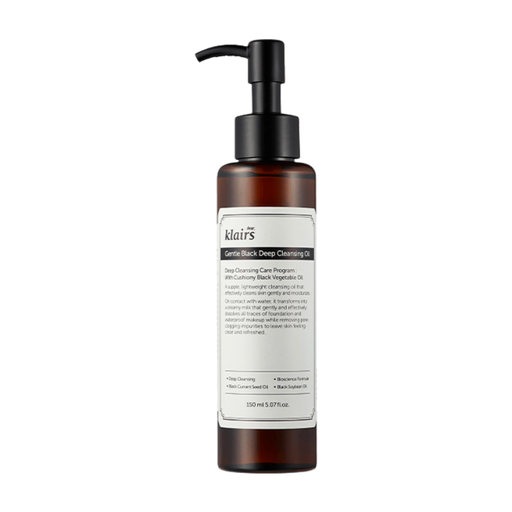
Why it suits this profile: The 150 ml bottle is practical for anyone who regularly wants to loosen make-up, SPF and sebum with an oil.
The instructions describe massaging it into a dry face and then rinsing it off. For stubborn make-up, you can use a water-based cleanser as a second step if desired.
150 ml; jojoba, blackcurrant and other plant oils according to the ingredients list; dermatologically tested according to the product information.
We have put together a complete, up-to-date list of products that fully meet these strict selection criteria and the applicable European safety requirements.
Stop using the product if you experience persistent redness, itching, swelling or a burning sensation. If you have sensitive skin, test a new product on a small area first and always check the current packaging.
It can be, as a cleansing oil loosens oily residue such as SPF and make-up. Choose a formula that emulsifies well with water and rinse it off carefully. A second, gentle cleanser can help if you prefer a cleaner feeling on your skin.
Many people cleanse in the evening to remove make-up, SPF, sebum and dirt. In the morning, lukewarm water or a gentle cleanser may be enough, depending on your skin type and overnight skincare. Do not use an exfoliating scrub every day: follow the specific product instructions.
A cleansing balm is an oil-based first cleansing step that you massage into dry skin and rinse off with water. A make-up remover, including wipes, is primarily designed to remove make-up. For waterproof make-up and SPF, a balm or oil may be more practical; do not rub hard, and cleanse your skin after use if this is required according to the instructions.
