
Vandaag of morgen in huis

Kwaliteit gegarandeerd

Welkomstaanbiedingen ontgrendelen: GRATIS bezorging | Tot 80% korting | Gratis 30 dagen JoyPlus-proefperiode
Download de app
A facial cleanser may seem like a simple product, but there are major differences between a facial cleansing gel, a foaming facial cleanser and an oil-based facial make-up remover. The wrong formula can leave your skin feeling tight, leave traces of make-up behind or simply cleanse too intensely for everyday use.
So do not focus only on terms such as “deep cleansing” or “hydrating”. Look at the ingredients list, the amount of product and how you are meant to use it. Below, you can find out which features matter and which popular options suit different skin types and routines.
A tight or squeaky-clean feeling after washing does not automatically mean that your skin has been cleansed properly. It may indicate that the formula is removing too much sebum and moisture. This can be particularly uncomfortable for sensitive or combination skin.
A gentle facial cleanser should remove dirt, excess sebum and everyday residue without the need for prolonged or vigorous rubbing. Use lukewarm water and massage briefly with your fingertips.
Salt, clay, matcha, acids and plant extracts may sound appealing in product marketing. However, one ingredient says very little about the formula as a whole. The concentration, cleansing agents and any fragrance ingredients also affect how the product feels on your skin.
If you are using a cleanser for blemish-prone skin, it is best not to use several exfoliating products at the same time. A formula containing BHA or PHA may, according to the product description, help remove dead skin cells, but this is not a medical treatment. Always follow the instructions for use and be aware of possible sensitivity to sunlight.
Not every facial cleanser will completely remove waterproof make-up or sunscreen. A gel cleanser may be suitable for everyday impurities, but if you wear a lot of make-up, a separate facial make-up remover or double cleansing may be more practical.
Also check the amount of product. A 50 ml pack is handy for travel, while a 125 or 150 ml bottle may offer better value when used in the morning and evening.
Look for gentle surfactants such as glucoside, amino acid and cocoamphodiacetate variants. These ingredients help loosen dirt and sebum. A foaming facial cleanser often feels particularly fresh and clean, but the amount of foam does not directly indicate its cleansing power.
For sensitive skin, a short contact time, lukewarm water and minimal friction are at least as important as the label. Also check whether the ingredients list contains perfume, essential oils or known allergens.
Some products state their pH value. For example, the Dr. Althea Green Relief Amino Gel Cleanser is described as a mildly acidic gel cleanser with a pH of 5.0–6.0. This is a specific product detail that can help you compare formulas more effectively.
However, pH alone does not determine whether a product is suitable for everyone. Check the full ingredients list as well and test a new cleanser on a small area of skin first. Stop using it if you experience redness, itching, a burning sensation or swelling.
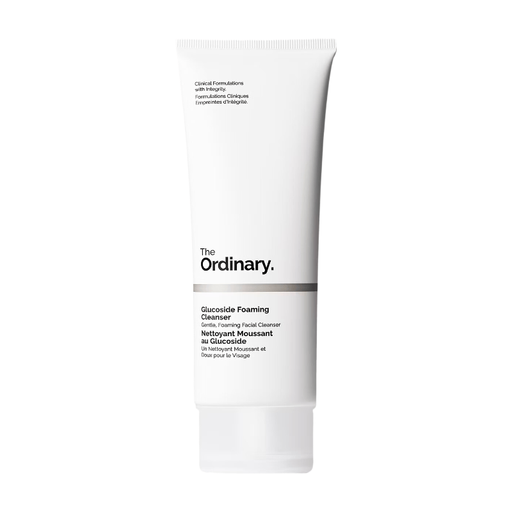
Why it suits this profile: The straightforward formula and 150 ml size make this an easy starting point if you are looking for an everyday facial cleanser without a lengthy ingredients list.
The product description lists decyl glucoside and coco glucoside as cleansing ingredients, without making broad claims about pores or exfoliation.
150 ml; use in the morning and evening according to the packaging; a patch test is recommended.
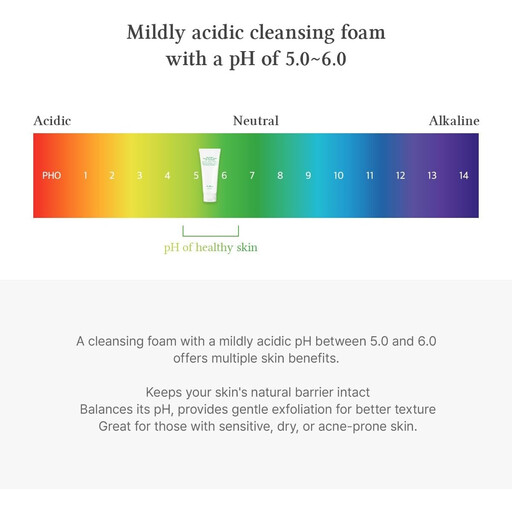
Why it suits this profile: This gel combines a stated pH of 5.0–6.0 with amino acid- and coconut-based cleansers, as well as ingredients such as glycerine, betaine and hyaluronic acid.
This choice is based on verifiable formula information rather than just the word “gentle”. However, take bergamot oil, limonene and linalool into account if you have sensitive skin.
Gel texture; pH 5.0–6.0 according to the product information; 100 ml; contains glycerine and betaine.
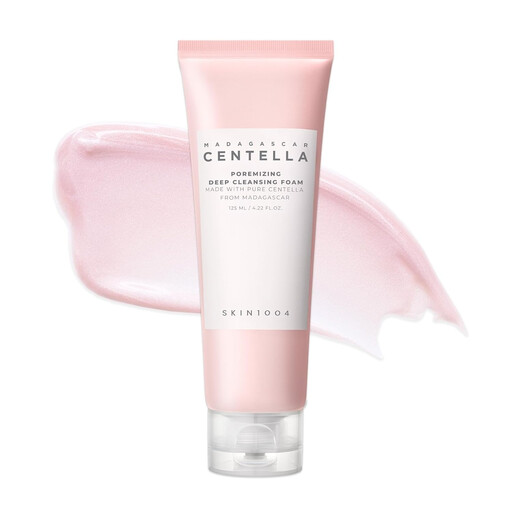
Why it suits this profile: If you regularly remove make-up, sunscreen or excess sebum, you may appreciate the rich foaming texture and combination of Himalayan salt, kaolin and centella.
The product description lists specific ingredients and instructions for use. The claim about pores comes from the brand description and is not a guarantee for every skin type.
125 ml; foaming texture; contains kaolin, Himalayan salt and centella according to the product information.
When using a formula containing BHA or PHA, such as the SOME BY MI Super Matcha Pore Clean Cleansing Gel, pay extra attention to the warnings on the packaging. According to the product information, BHA may increase sensitivity to sunlight. Introduce it gradually and avoid using the cleanser on damaged skin.
We have compiled a complete, up-to-date list of products that fully meet these strict selection criteria and the applicable European safety regulations.
For most routines, once in the evening is sufficient; some packaging recommends using it in the morning and evening. If you have dry or sensitive skin, start with one use per day and see how your skin responds.
This varies depending on the formula and type of make-up. A gel or foaming cleanser may remove light make-up, but waterproof mascara and long-lasting products often require a separate facial make-up remover. Always check whether any residue remains.
Check the expiry date on the packaging and the open-jar symbol, for example 12M. Keep the bottle tightly closed in a cool, dry place away from direct sunlight. Stop using it if the smell, colour or texture changes.
