
Vandaag of morgen in huis

Kwaliteit gegarandeerd

Welkomstaanbiedingen ontgrendelen: GRATIS bezorging | Tot 80% korting | Gratis 30 dagen JoyPlus-proefperiode
Download de app
A facial cleanser may seem like a simple product, but choosing the wrong one can make your routine unnecessarily expensive. A tight feeling after washing does not automatically mean that your skin has been cleansed properly. A product designed for oily skin may also be too intense for daily use.
If you are looking for facial cleansing, a facial cleansing gel or a Korean facial cleanser, it is therefore better to focus on the formula rather than eye-catching marketing claims. The following pitfalls are common.
Pores do not disappear because of a cleanser. According to the product description, a product can remove excess sebum, dirt and residue, making the skin look smoother temporarily. So, view “pore refinement” as a skincare goal rather than a lasting change to your skin’s structure.
A rich cleansing foam feels refreshing, but lots of foam says little about whether it is suitable for your skin. A formula may cleanse pleasantly while still being too drying if your skin is sensitive or lacking moisture. So, pay attention to the usage instructions, surfactants and any fragrance or essential-oil ingredients.
A salicylic acid cleanser or blackhead cleanser may seem appealing if you have oily skin, clogged pores or blackheads. However, daily use will not be comfortable for everyone. Products containing salicylic acid, AHA, BHA, PHA or exfoliating particles can cause irritation. Always follow the label, avoid damaged skin and stop using the product if you experience redness, itching or a burning sensation.
Salicylic acid is a widely used BHA ingredient in products for oily skin and blemishes. Check whether the percentage is stated, as with the cleanser containing 0.5% salicylic acid. Other formulas may use willow bark, lactic acid, citric acid or PHA, for example. These ingredients are not interchangeable.
With sensitive skin, fragrances and plant extracts are also important to check. Natural does not automatically mean that a product will be gentle for everyone. Ideally, test a new facial cleanser on a small area of skin first.
A 100 to 150 ml pack is standard for a cleanser. A pump bottle or dispenser can be useful when using the product at the bathroom sink. Also consider the texture:
The expiry date, batch information and period after opening are stated on the packaging. Do not use a cleanser around the eyes unless the manufacturer explicitly says that it is suitable.
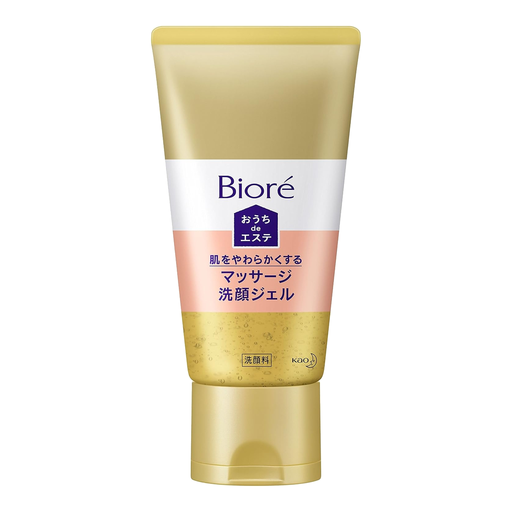
Why it suits this profile: This 150 g foaming formula is easy to use and, according to the product description, suitable for daily use, particularly on oily or combination skin.
The product information specifically mentions removing dirt, sebum and impurities rather than permanently changing the appearance of pores.
150 g; rich foaming texture; designed for morning and evening use according to the stated guidance.
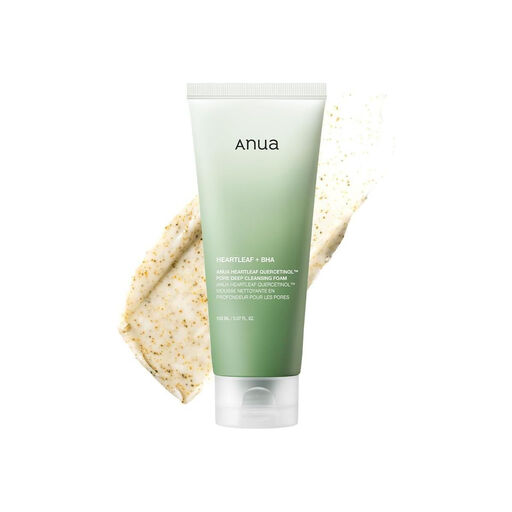
Why it suits this profile: The ingredients list includes glycerine, panthenol-like caring ingredients and several forms of hyaluronic acid, alongside heartleaf extract.
The composition is visible and easy to check, so you can assess the fragrance, salicylic acid and other ingredients yourself before buying.
150 ml; fine foaming texture; contains salicylic acid and several hydrating ingredients according to the stated formula.

Why it suits this profile: This Korean cleanser contains 0.5% salicylic acid and is designed for combination, oily or blemish-prone skin.
The stated percentage makes the choice more specific. Start by using it sparingly and follow the warning about irritation and increased sun sensitivity.
0.5% salicylic acid; 150 ml; contains glycerine and is offered as a daily foaming cleanser.
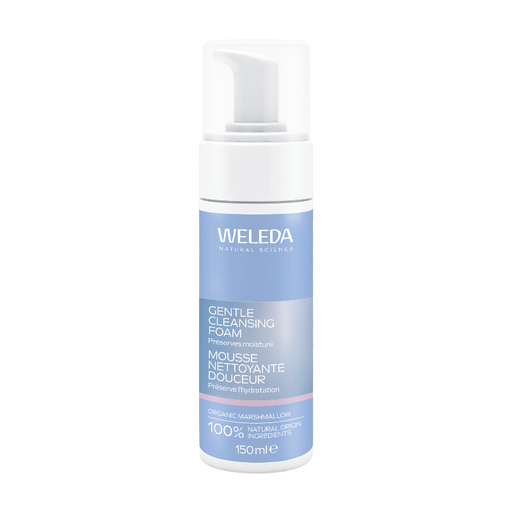
Why it suits this profile: According to the product information, this mousse is designed for normal and combination skin and removes make-up and excess sebum.
The focus is on gentle cleansing rather than intensive scrubbing or combining multiple acids.
150 ml; mousse formula; according to the product information, made with 100% natural ingredients and awarded the NATRUE label.
We have compiled a complete, up-to-date list of products that fully meet these strict selection criteria and the applicable European safety regulations.
If you are wearing make-up or water-resistant sun cream, you may need a separate first cleansing step. Check whether the cleanser is designed for this purpose; not every face wash completely removes every type of product.
For many routines, once in the evening is sufficient, particularly if your skin feels sensitive or dry. According to the label, a product may also be used in the morning and evening. Adjust the frequency if your skin becomes tight, red or irritated.
Salicylic acid can help cleanse oily skin and remove built-up dead skin cells, but its effect varies depending on the formula and your skin. A salicylic acid cleanser is not a medical treatment. Follow the warnings, do not use several exfoliating products at the same time and consult a GP or dermatologist if you have persistent skin problems.
Check the packaging for the expiry date, batch information and the period-after-opening symbol. Keep the product closed, away from direct sunlight and at the stated temperature. If the smell, colour or texture changes, stop using it.
