
Vandaag of morgen in huis

Kwaliteit gegarandeerd

Welkomstaanbiedingen ontgrendelen: GRATIS bezorging | Tot 80% korting | Gratis 30 dagen JoyPlus-proefperiode
Download de app
A good facial cleansing routine does not have to be complicated. Even so, it is easy to spend money on a product that cleanses too aggressively, is not right for your skin type or mainly contains attractive marketing claims. For example, a tight feeling after washing does not automatically mean that your face is thoroughly clean.
The right choice mainly depends on your skin type, the texture you prefer and what you want to remove: sebum, sun cream, make-up or simply everyday dirt. In this guide, you will learn what to look for in a facial cleanser, cleansing mousse, cleansing gel or micellar water.
A strongly degreasing cleansing gel can leave your skin feeling very tight or dry after use. That feeling only tells you about the immediate sensation on your skin, not whether the product is suitable for everyday use. If you need to apply a lot of cream afterwards to reduce the tight feeling, you may be using a product that is not well suited to your skin.
Therefore, pay attention to the product description and ingredients list. A gentle facial cleanser containing glycerine, betaine or hyaluronic acid may feel more comfortable for people who quickly experience dryness after washing. These ingredients are often used in cosmetics to attract moisture or help the skin feel comfortable. They do not guarantee a particular result.
Natural facial care and vegan skincare are important purchasing criteria for many Dutch consumers. However, natural does not automatically mean fragrance-free, hypoallergenic or suitable for sensitive skin. Essential oils and fragrances may also be undesirable for some users.
Therefore, always check the full ingredients list. For sensitive skin, fragrance, essential oils and certain fragrance components are worth considering carefully. According to the product description, the Freshly Cosmetics Rose Quartz Facial Cleanser is vegan, contains 99.9% natural ingredients and is free from sulphates, soap, silicones and PEG. This may suit a more conscious routine, but individual tolerance remains important.
An everyday facial cleanser will not always remove waterproof mascara or long-wear foundation easily. In that case, a make-up remover or cleansing oil may be more practical as a first step. Micellar water is useful when you want to cleanse quickly without rinsing, but check the instructions and pay attention to how your skin reacts.
For heavy make-up, double cleansing can be useful: start with an oil or micellar product, followed by a cleansing foam or gel. This is not necessary for everyone every day. Rubbing too often or for too long can actually feel uncomfortable.
The description “for all skin types” is broad. Also look at the specific product information, such as whether it is fragrance-free, alcohol-free or sulphate-free, its pH value and whether it contains fragrances.
The skin naturally has a slightly acidic environment. The Dr. Althea Green Relief Amino Gel Cleanser lists a mildly acidic pH of 5.0 to 6.0. According to the product description, the formula contains amino acid- and coconut-based surfactants, glycerine, betaine and hyaluronic acid, among other ingredients.
A pH range on the packaging is useful information, but it is not proof of quality on its own. The cleansing agents used, contact time and how often you use the product also play a part. Wash with lukewarm water, massage without applying pressure and pat your face dry.
A 400 ml bottle may seem economical, but a smaller product could be more convenient if you want to try it first and see how your skin reacts. Also check:
Stop using the product if irritation occurs and avoid contact with the eyes unless the product is specifically intended for that area. If you have persistent skin problems, it is wiser to seek advice from a doctor or pharmacist than to keep trying new cosmetic products.
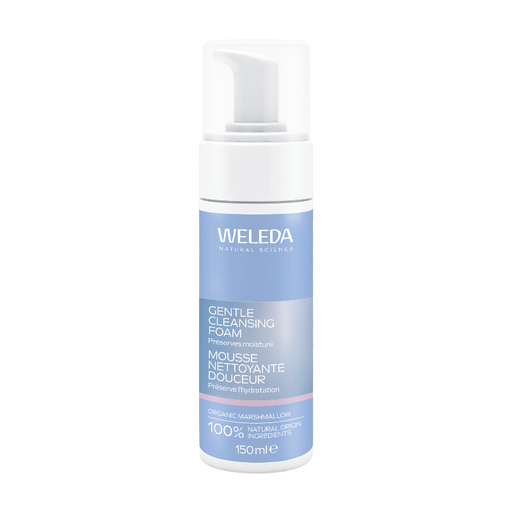
Why it suits this profile: The 150 ml mousse is easy to use and, according to the product description, intended for normal and combination skin. This makes it practical for a straightforward morning and evening routine.
The product description mentions both make-up and excess sebum, while highlighting gentle cleansing. If you have sensitive skin, check the ingredients list, as “natural” does not guarantee that a product will suit you personally.
150 ml, mousse texture, designed for normal and combination skin; according to the product information, made with 100% natural ingredients and organic witch hazel.
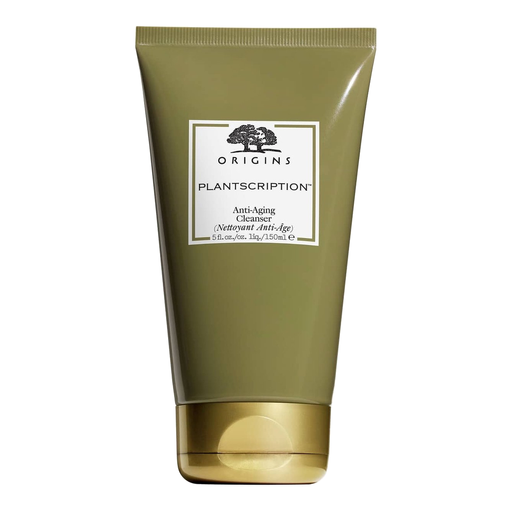
Why it suits this profile: This creamy cleanser fits easily into a consistent daily routine and, according to the product information, is suitable for normal, combination and sensitive skin.
The description specifies gentle daily cleansing rather than focusing solely on a fresh finish. If you want to avoid fragrance or essential oils, check the ingredients list beforehand.
150 ml, gel formula, and according to the product details, alcohol-free, sulphate-free and dermatologically tested.
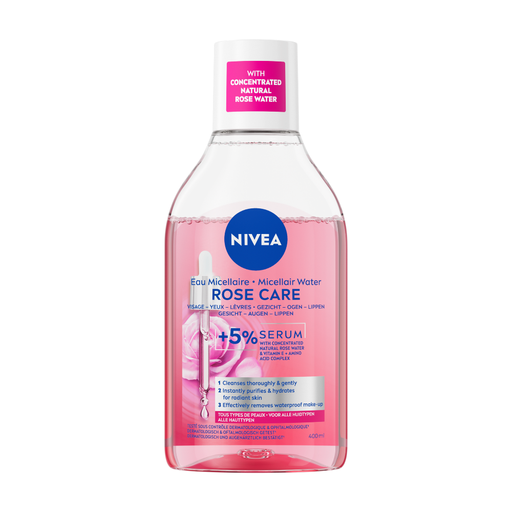
Why it suits this profile: The large bottle is practical for everyday use, and according to the product description, the micellar water is intended for the face and eyes, including waterproof make-up.
It is clearly positioned as a make-up remover and cleansing water, so you do not need to treat it like a foaming everyday cleanser. The manufacturer states that rinsing is not necessary; if you have sensitive skin, follow your own skin’s response.
400 ml, suitable for the face and eyes, vegan formula according to the product information and bottle made from 97% recycled PET, excluding the label, insert and cap.
We have put together a complete, up-to-date list of products that fully meet these strict selection criteria and the applicable European safety regulations.
Oily skin does not automatically need a strongly degreasing formula. For combination skin, you may want to look for a lightweight texture that does not leave your skin feeling tight. For sensitive skin, a short ingredients list, few fragrances and gentle use are often practical considerations.
For most people, cleansing once in the evening is useful for removing dirt, make-up, SPF and sebum. In the morning, water may be enough, while others prefer to use a gentle facial cleanser. Adjust the frequency according to how your skin feels and the products you use.
Micellar water is a liquid cleanser that you apply with a cotton pad. It is particularly useful for make-up and quick cleansing. A gel, mousse or foam is usually used with water and may leave your skin feeling different. Always check the instructions on the label.
The shelf life is stated on the packaging. For cosmetics with a period-after-opening indication, you will often see an open-jar symbol, such as 6M or 12M. Store the product in a cool, dry place away from direct sunlight. Has the smell, colour or texture changed? It is best not to use it any more.
