
Vandaag of morgen in huis

Kwaliteit gegarandeerd

Welkomstaanbiedingen ontgrendelen: GRATIS bezorging | Tot 80% korting | Gratis 30 dagen JoyPlus-proefperiode
Download de app
A facial cleanser may seem like a simple product, but the difference between comfortable daily cleansing and a tight, uncomfortable feeling often comes down to the formula, texture and frequency of use. A face wash should remove dirt, sun cream and excess sebum without leaving your skin feeling tight or dry after rinsing.
Pay particular attention to these three common pitfalls:
A cleansing gel feels lightweight and is usually used with water. This type often suits people who want a simple cleanse in the morning and evening. A cleansing foam is partially whipped already or quickly turns into a soft foam. This can be useful if you prefer to dispense a small amount of product.
A cleansing powder, such as a powder cleanser, is activated with water. This saves space in a wash bag, but does require careful measuring. A cleansing mousse comes ready to use from the pump and is practical if you want to dispense a consistent amount each time.
Check the INCI list for ingredients you have previously tolerated well or less well. Fragrance, essential oils and certain plant extracts may not be suitable for some users. A product described as “mild” is not automatically suitable for every sensitive skin type.
When choosing a cleanser for sensitive skin, the following points are particularly relevant:
Brands may communicate their product’s properties, but such claims are not a guarantee for every skin type. According to the product description, for example, the Salicylic Acid Daily Gentle Cleanser contains 0.5% salicylic acid. This is a verifiable product specification; whether it suits your skin will depend on your personal tolerance.
A low pH is often mentioned in Korean facial cleansers. The product description for the Low pH Good Morning Gel Cleanser states that it has a low-pH formula. Use the product according to the label and rinse off a cleanser thoroughly with lukewarm water if it is intended to be rinsed off.
A facial cleanser is not a substitute for treatment of skin conditions. Stop using it if you experience redness, a burning sensation or any other irritation, and follow the safety information on the packaging. If symptoms persist, it may be appropriate to consult a doctor or dermatologist.

Why it suits this profile: The gel texture and 100 ml size make this a straightforward starting point for daily facial cleansing. The product description lists glycerine, plum water and a formula suitable for all skin types.
The specifications clearly state the texture, size and method of use. This means you can compare products without relying solely on terms such as “deep” or “refreshing”.
Gel texture, 100 ml size and use with damp hands and lukewarm water.
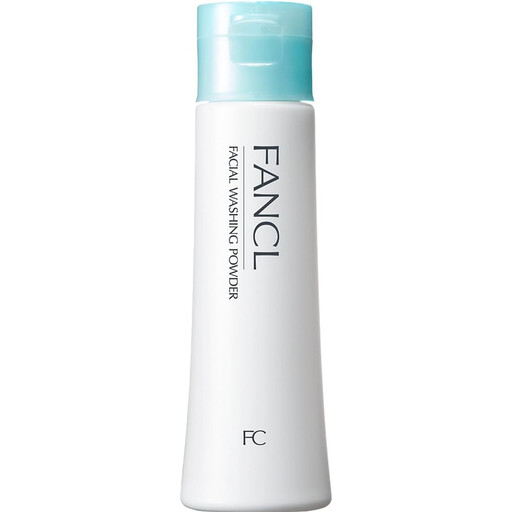
Why it suits this profile: This cleansing powder is designed for users who want a compact formula and a different texture from gel or foam. It contains 50 g.
The product information explicitly states that it is a powder and contains 50 g. This makes it clear in advance that the dosage and cleansing experience differ from those of a standard face wash.
Powder formula, compact size and, according to the product description, suitable for daily use.

Why it suits this profile: According to the product description, this salicylic acid cleanser contains 0.5% salicylic acid and is aimed at combination, oily or blemish-prone skin. The pack contains 150 ml.
The percentage of salicylic acid is stated, so you do not have to rely on a general claim about pores. If you have sensitive skin, carry out a patch test on a small area first.
0.5% salicylic acid according to the product information, 150 ml size and usage advice for the T-zone.
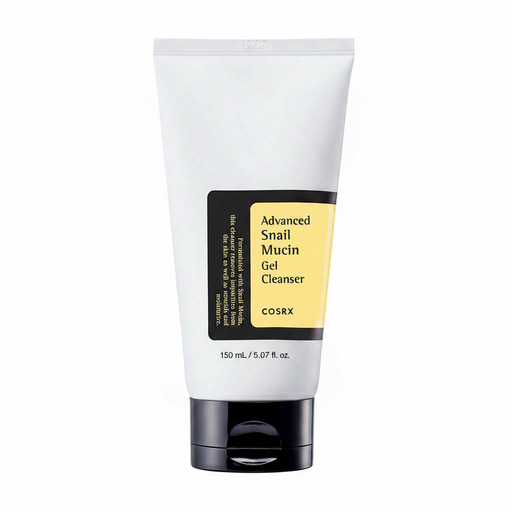
Why it suits this profile: The product information lists a gel texture, a 150 ml size and 10,000 ppm snail secretion filtrate. This makes it an option for anyone looking for a hydrating facial cleanser.
The formula is not judged solely on claims of “repair” or “radiance”: the size, texture and listed ingredients can all be checked in advance.
150 ml, gel texture and, according to the product description, free from alcohol, silicones and petroleum derivatives.
If you wear make-up or use water-resistant sun protection, you may need a separate first cleansing step. Always check whether your cleanser is suitable for removing these products.
We have put together a complete, up-to-date list of products that fully meet these strict selection criteria and the applicable European safety regulations.
For many routines, cleansing once in the evening is enough to remove dirt, sebum, sun protection and make-up. Some people also use a cleanser in the morning. If you have dry or sensitive skin, using only lukewarm water in the morning may feel more comfortable. Pay attention to how your skin feels after cleansing.
Check the expiry date and the period-after-opening symbol on the packaging. A product marked “12M”, for example, is intended to be used within twelve months of opening. Store the bottle somewhere dry and cool, away from direct sunlight, as stated in the product information.
This depends on the product size, price and amount used per wash. Divide the price by the number of millilitres or grams, then estimate your usage. A 150 ml pump bottle can be practical for everyday use, while a 50 ml pack may be particularly suitable for travelling or trying out a formula first.
