
Vandaag of morgen in huis

Kwaliteit gegarandeerd

Welkomstaanbiedingen ontgrendelen: GRATIS bezorging | Tot 80% korting | Gratis 30 dagen JoyPlus-proefperiode
Download de app
A facial cleanser may seem like a simple product, but the difference between comfortable daily cleansing and tight-feeling skin often lies in the details. A cleansing foam can feel pleasantly light, while a cleansing gel may be better suited to those who prefer less lather. A Korean facial cleanser or Japanese facial cleanser is not automatically suitable for every skin type either.
The product description, ingredients list, size and instructions for use usually provide more useful information than prominent claims on the front of the packaging. Below, you can read what to look out for and which popular options suit different needs.
A strongly degreasing product can immediately make your skin feel extremely clean or tight. That does not automatically mean your skin has been cleansed comfortably. Dry or sensitive skin in particular can react to frequent washing, fragrance or certain cleansing agents.
So do not only look for terms such as “deep cleansing” or “pore cleansing”. Also check whether the product is intended for daily use and read any warnings on the packaging.
Some cleansers are described as suitable for oily or blemish-prone skin. This is product positioning, not a guarantee of a particular result. According to the product description, the Salicylic Acid Daily Gentle Cleanser contains 0.5% salicylic acid. The manufacturer describes the product as suitable for combination, oily and blemish-prone skin. If you experience persistent irritation or skin problems, seek advice from a doctor or dermatologist.
Terms such as “dermatologically tested”, “hypoallergenic” or “natural” do not mean that a product will be problem-free for everyone either. Always read the full ingredients list and stop using the product if irritation occurs.
Micellar water can be useful for removing make-up and SPF residue. Waterproof make-up may require an additional step. A regular daily facial cleanser removes dirt, sweat and excess sebum, but it is not always intended to act as a complete make-up remover.
For a more thorough evening routine, you could use micellar water first and then a cleanser. Follow the instructions for use provided with both products.
A cleansing foam is easy to spread over the face and is usually rinsed off with water. A cleansing gel often has a lighter texture and can suit a morning routine or skin that quickly feels oily. Micellar water is applied with a cotton pad; the product information for NIVEA Soothing Micellar Water states that rinsing is not necessary.
The texture mainly determines how you use the product. For pore cleansing, gentle massaging is more important than rubbing hard.
A low pH cleanser is generally chosen to put less strain on the skin during washing. The product information for Low pH Good Morning Cleanser states that the formula includes cocamidopropyl betaine and tea tree oil, among other ingredients. Tea tree oil can cause irritation in sensitive individuals, so check the ingredients list carefully.
Also look out for:
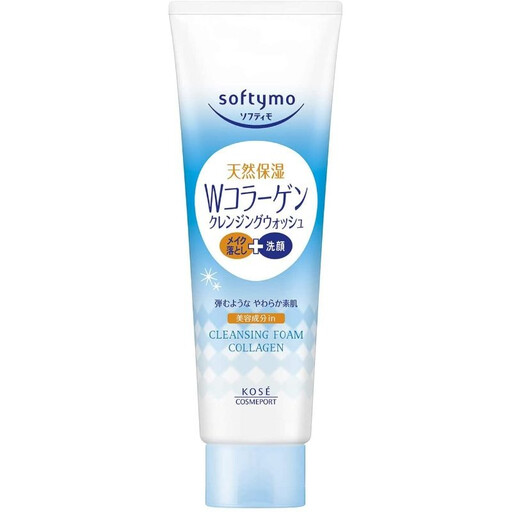
Why it suits this profile: The packaging contains 190 g and the instructions are straightforward: apply, massage in gently and rinse off. This makes the Japanese facial cleanser an accessible choice for a first purchase.
The product information does not mention complicated treatment steps or promise a specific result. You can check the ingredients and safety warnings in advance.
190 g size; suitable for morning and evening use according to the product information.
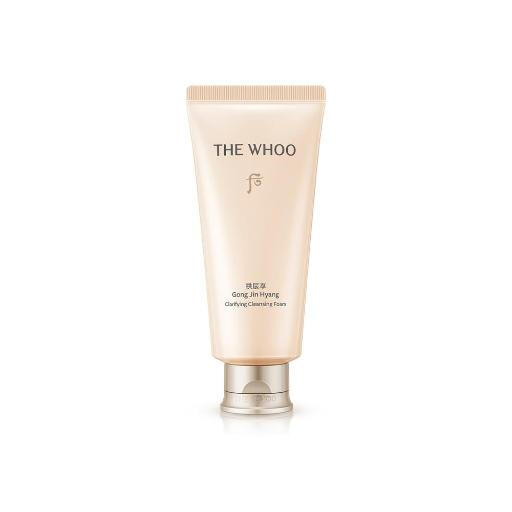
Why it suits this profile: Those who value an extensive Korean skincare routine get a foaming texture, 180 ml of product and a description featuring ginseng, liquorice and pearl powder extracts.
The product details list the purpose, skin-type indication and directions separately. However, check for yourself whether fragrance or botanical ingredients suit your skin.
180 ml size; traditional Korean ingredients are clearly listed in the product description.
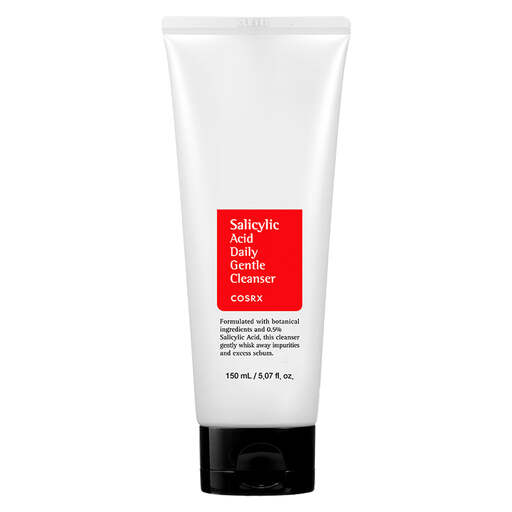
Why it suits this profile: According to the product information, this face cleanser is intended for combination, oily or blemish-prone skin and contains 0.5% salicylic acid.
The concentration of the stated active ingredient is included in the product information. The warning recommends a patch test and stopping use if irritation occurs.
150 ml size; salicylic acid, tea tree oil and willow bark water are listed in the ingredients.
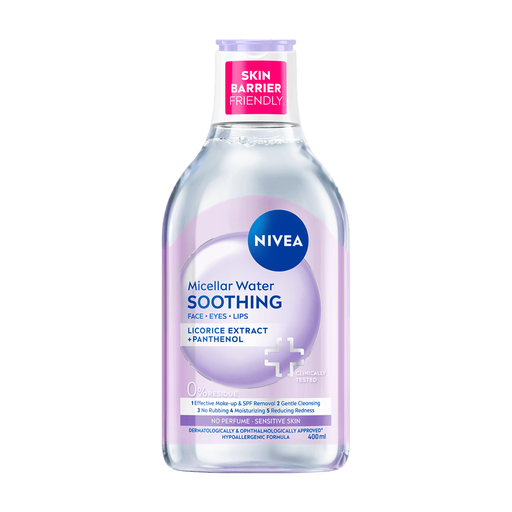
Why it suits this profile: The product information states that it has a fragrance-free formula with panthenol and an amino acid complex. The product is used with a cotton pad.
The product description distinguishes between make-up removal and daily cleansing. There is no need to rub hard; keep your eyes closed and use gentle movements.
400 ml size; the product information states that it can be used for make-up, SPF and daily facial cleansing.
We have compiled a complete, up-to-date list of products that fully meet these strict selection criteria and the applicable European safety regulations.
Many products recommend cleansing twice a day in their instructions for use. If you have dry or sensitive skin, observe how your skin reacts and adjust the frequency accordingly. Scrubbing hard does not automatically contribute to better pore cleansing.
Look for a short, straightforward ingredients list and pay particular attention to fragrance, essential oils and known allergens. A product described as suitable for sensitive skin remains an individual choice. Test it on a small area first and stop using it if irritation occurs.
That depends on the formula and the instructions for use. Products containing salicylic acid or other active ingredients may have specific warnings. Follow the label, do not combine multiple active products without careful consideration and seek professional advice if symptoms persist.
This depends on the size and the amount used each time you wash. A 150 ml pack will generally last longer with economical use than a 50 ml mini, but the exact lifespan varies depending on the texture and dosage. Also check the shelf-life information on the packaging.
