
Vandaag of morgen in huis

Kwaliteit gegarandeerd

Welkomstaanbiedingen ontgrendelen: GRATIS bezorging | Tot 80% korting | Gratis 30 dagen JoyPlus-proefperiode
Download de app
A facial cleanser may seem like a simple product: apply, rinse and you’re done. Yet many consumers choose a cleanser that cleanses too intensely, fails to remove enough make-up or SPF, or does not suit their skin type. The result can be tight-feeling skin, an overly shiny complexion or unnecessary irritation.
The right choice therefore starts not with a striking claim on the packaging, but with the formula, when you use it and your daily routine. Below, you’ll find what to look for when choosing a facial cleanser, face wash, facial cleansing gel and Korean skincare.
A strongly degreasing product can leave your skin feeling very tight or “squeaky” after washing. That does not automatically mean your skin has been cleansed more effectively. On dry or sensitive skin, such a formula can feel uncomfortable. Look for gentle cleansers and use lukewarm water rather than hot water.
A foaming face wash is practical for sweat, sebum and everyday impurities. For waterproof make-up, SPF and long-wearing products, micellar water or make-up remover may be more convenient. According to the product information for NIVEA Rose Care Micellar Water, the formula is intended to remove, among other things, waterproof make-up and SPF filters. Check whether rinsing afterwards feels more comfortable for your skin, even when the brand states that this is not necessary.
A salicylic acid cleanser may be worth considering for oily or blemish-prone skin, but salicylic acid is not suitable for everyone. Some By Mi, for example, lists 5,000 ppm salicylic acid and also warns about AHA, PHA and essential peppermint oil. Ingredients like these can cause sensitivity for some users. Always read the ingredients list and, if you have sensitive skin, carry out a small patch test first.
First, decide what you need the facial cleanser for:
A product marketed as “for all skin types” is not automatically the right choice for you. Also look at fragrances, essential oils and acids, as well as how your skin feels after rinsing.
A low pH cleanser is formulated with an acidity level that, according to the product description, is closer to the skin’s natural environment. Low pH Good Morning Cleanser contains cocamidopropyl betaine and sodium lauroyl methyl isethionate, among other cleansing ingredients. The product information positions it for daily cleansing and oily or acne-prone skin.
However, the name “low pH” does not tell you everything. Check whether the packaging states a specific pH value, and also look at the complete INCI list. Even a gentle formula may not suit every individual’s skin.
Compare the volume: many facial cleansers contain 100 to 150 ml, while micellar water often comes in 400 ml bottles. A larger bottle may offer better value for daily use, but only if you like the formula and use it within its shelf life.
Also check:
A claim such as “vegan”, “fragrance-free” or “dermatologically tested” should be read as a product specification provided by the brand. According to NIVEA’s product information, for example, the Derma Skin Clear Cleansing Gel is fragrance-free, vegan and clinically tested. That does not guarantee that every user will have the same experience.
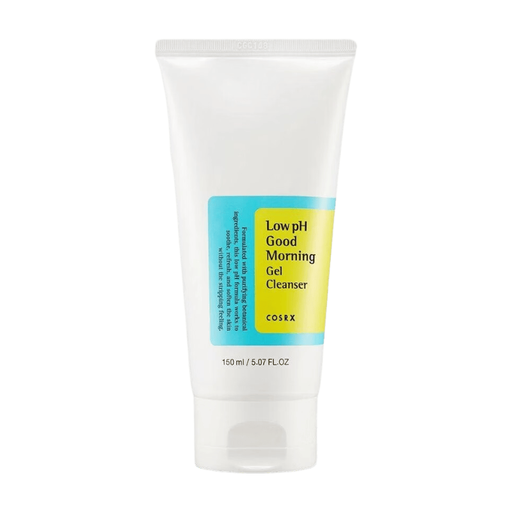
Why it suits this profile: A straightforward gel texture for anyone looking for a daily cleanser without immediately combining several products. The product information states that it can be used in the morning and evening.
The low-pH positioning helps prevent you from choosing a cleanser based solely on a rich lather or a tight-feeling complexion. Still, check the ingredients, including tea tree oil and betaine salicylate.
150 ml, gel texture, low-pH formula and, according to the product information, suitable for daily cleansing of oily or acne-prone skin.
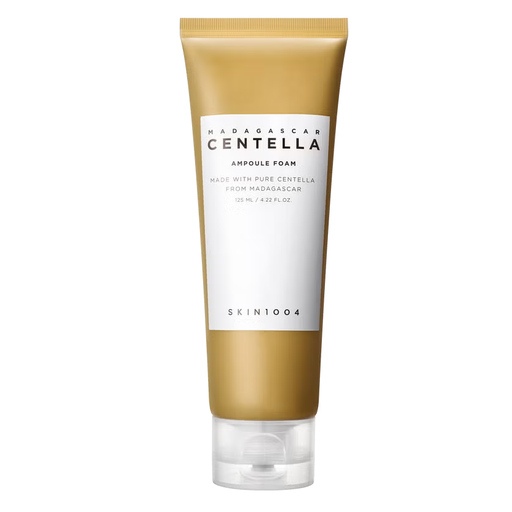
Why it suits this profile: Ideal for shoppers looking for a foaming Korean skincare cleanser with a stated pH value. The product description lists pH 5 and use for several skin types.
The stated pH value provides more information than a general claim about gentleness alone. Stop using the product if redness or irritation occurs and follow the safety information on the packaging.
125 ml, rich foam texture, stated pH 5 and ingredients such as glycerine and centella-based components, according to the product description.
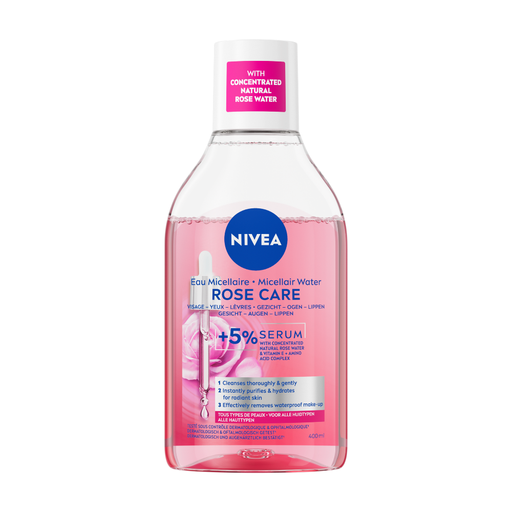
Why it suits this profile: Convenient for anyone who removes make-up, SPF and dirt every day and prefers using a cotton pad to a foaming face wash.
You do not need to rub harder to remove make-up; the product information describes using gentle movements. If your eyes are sensitive, it is still important to work carefully.
400 ml, micelle technology, 5% serum according to NIVEA, and intended for make-up, SPF and everyday impurities.
We’ve put together a complete, up-to-date list of products that fully meet these strict selection criteria and the applicable European safety regulations.
A cleanser does not need to remain on your skin for long. When using products containing salicylic acid, AHA or PHA, it is advisable to follow the instructions and use sun protection during the day if the packaging advises this.
For many people, cleansing once in the evening is enough to remove dirt, sebum, SPF and make-up. In the morning, water or a gentle cleanser may be sufficient. If you have oily skin or sweat heavily, cleansing in the morning and evening may be more practical, as long as your skin continues to feel comfortable.
Micellar water is a type of cleanser used with a cotton pad. It is particularly useful for make-up, SPF and quick cleansing. You generally use a gel or facial cleansing foam with water. If you have sensitive skin, it may be helpful to rinse off any residue after using micellar water.
That depends on the volume and the amount used each time. A 150 ml bottle will generally last longer with daily use than a 50 ml travel-size bottle. Always check the period after opening and store the product in a cool, dry place away from direct sunlight, in accordance with the instructions on the packaging.
