
Vandaag of morgen in huis

Kwaliteit gegarandeerd

Welkomstaanbiedingen ontgrendelen: GRATIS bezorging | Tot 80% korting | Gratis 30 dagen JoyPlus-proefperiode
Download de app
A facial cleanser may seem like a simple product, but there are significant differences in texture, ingredients and use. A foaming cleanser can feel pleasant on oily skin, while dry skin may feel tight after use. Removing make-up also often requires a different approach from simply washing away dirt and sebum.
As a Joybuy Product Recommendation Officer, I filter product information based on practical points. This helps you avoid relying solely on terms such as “mild”, “nourishing” or “cleans pores” without checking what a product actually contains and what it is intended for.
A strongly foaming facial cleanser can give an immediate fresh or tight feeling. That does not automatically mean the formula is better suited to your skin. Particularly with dry or sensitive skin, a tight feeling may indicate that you are cleansing too aggressively.
Therefore, pay attention to the texture and skin type stated on the product packaging. A cleansing milk or non-foaming micellar formula is often more practical when comfort and moisture retention are important.
An exfoliating facial cleanser, lotion with salicylic acid or product containing AHA can seem appealing if you want to cleanse your pores. However, “daily” does not mean the same for every skin type. A formula containing acids can make your skin more sensitive to sunlight and cause irritation if used incorrectly.
Follow the instructions on the packaging. With products containing AHA or BHA, using sunscreen during the day is advisable. Stop using the product if you experience redness, burning or other irritation.
Waterproof mascara, foundation and sun cream residue can remain when you cleanse only with water or a mild face wash. A separate make-up remover or eye make-up remover can be useful in these cases.
Do not rub hard around the eyes. Apply the product to a cotton pad, hold it against the skin briefly and gently wipe outwards. Also check whether the product is suitable for contact lens wearers if this is relevant to you.
Start by choosing the main purpose:
Look beyond the front of the packaging. Fragrance-free, vegan, non-comedogenic and dermatologically tested are product claims with specific meanings, but they do not mean that a product will work without problems for everyone.
According to the product information, Clinique All About Clean All-in-One Cleansing Micellar Milk + Makeup Remover is fragrance-free, allergy tested and non-acnegenic. NIVEA Essentials Soothing Cleansing Milk lists, among other things, argan oil, hyaluronic acid, a vegan formula and 96% ingredients of natural origin. These properties come from the brands’ product information; individual tolerance may vary.
With a salicylic acid cleanser, check the concentration if it is stated. The 150 ml Salicylic Acid Daily Gentle Cleanser lists 0.5% salicylic acid. According to the supplied product information, the 50 ml version contains salicylic acid but does not state a concentration. Use both according to the label and introduce an exfoliating formula gradually.
A 400 ml bottle may offer better value for daily use, but it is less practical if you want to try a product first. Also check:
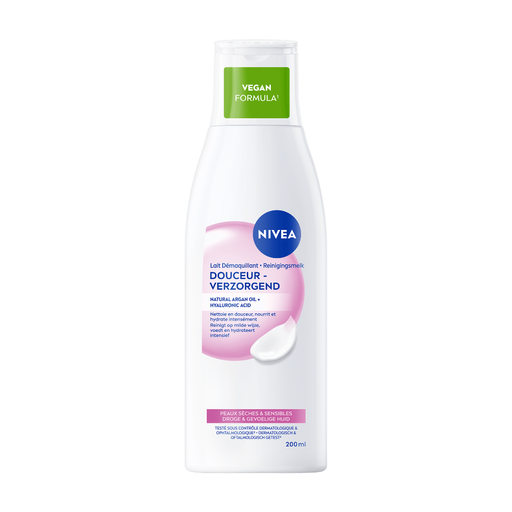
Why it suits this profile: According to the product description, this cleansing milk is intended for dry and sensitive skin and removes make-up, including waterproof mascara.
The milky texture helps you avoid choosing a strongly foaming product when you are actually looking for gentler cleansing.
200 ml; with argan oil and hyaluronic acid according to the product information; vegan formula.
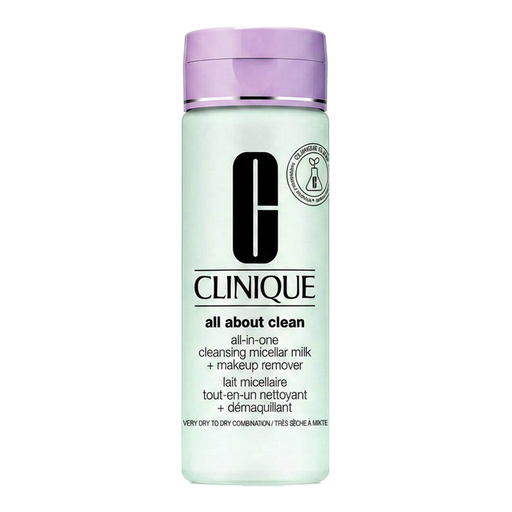
Why it suits this profile: According to the product information, this non-foaming micellar milk combines facial cleansing and make-up removal for the face and eyes.
The product description makes its purpose clear, so you do not need to combine a separate cleanser and make-up remover.
200 ml; according to the product information, fragrance-free, allergy tested and suitable for the sensitive skin around the eyes.
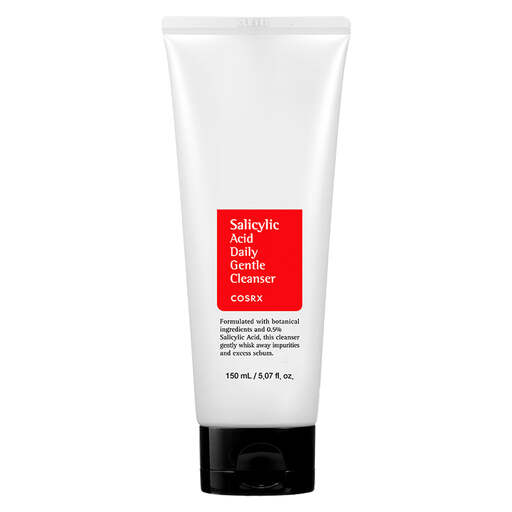
Why it suits this profile: According to the product information, this Korean facial cleanser is aimed at combination, oily and acne-prone skin.
The stated concentration of 0.5% salicylic acid makes the formula easier to assess than a product that only says “cleanses pores”.
150 ml; with salicylic acid, tea tree oil and willow bark water according to the product information.
We have put together a complete, up-to-date list of products that fully meet these strict selection criteria and the applicable European safety regulations.
For a fragrance-free facial cleanser for very sensitive skin, Neutral Face Wash Lotion is an option worth considering. The product information states 0% fragrance and 0% colourants. If your main aim is to cleanse the eyes, you can choose a separate NIVEA Eye Make-up Cleansing Lotion or Garnier SkinActive Eye Cleansing Lotion 2-in-1. Check the current packaging and ingredients list for every product.
A cleansing milk or hydrating facial cleanser with a creamy texture is often a practical choice. Look for ingredients such as glycerine, panthenol or hyaluronic acid, and avoid a product that leaves your skin feeling very tight after rinsing.
Micellar water can be suitable for light make-up and daily cleansing. With waterproof mascara, foundation or sun cream, you may need a separate make-up remover. Rinse off micellar water if the product instructions say to do so or if your skin feels sticky.
This depends on the ingredients and the manufacturer’s instructions. Start carefully, do not use several exfoliants at the same time and stop if irritation occurs. Products containing AHA or salicylic acid can increase sensitivity to sunlight, so use sun protection and limit prolonged exposure.
