
Vandaag of morgen in huis

Kwaliteit gegarandeerd

Welkomstaanbiedingen ontgrendelen: GRATIS bezorging | Tot 80% korting | Gratis 30 dagen JoyPlus-proefperiode
Download de app
A facial cleanser may seem like a simple product, but the difference between comfortable daily cleansing and skin that feels tight and irritated often comes down to the formula. Especially if you have oily, combination, sensitive or blemish-prone skin, it can be tempting to choose terms such as “deep cleansing”, “pore minimizing” or “anti-acne”. These descriptions do not automatically mean that a product is right for your skin.
As a Joybuy Product Recommendation Officer, I filter the most important product information in a practical way. This helps you look beyond marketing language and choose more confidently between a gentle facial cleanser, a salicylic acid cleanser or a foaming facial cleanser.
Skin that feels tight or extremely dry after washing is not necessarily cleaner. This sensation may indicate that the cleanser is removing a lot of sebum and skin oils. With daily use, that can become uncomfortable, particularly if you have sensitive or dry skin.
Pay attention to the texture, recommended frequency of use and ingredients list. A gel or gentle foaming formula is usually more practical for everyday use than a product containing coarse scrub particles.
Pore-cleansing products may help remove dirt, sebum and dead skin cells according to the product description, but pores do not literally disappear. A product such as Kao Biore Cleansing Facial Foam is described as reducing the appearance of pores. This is a cosmetic description, not a permanent change to the structure of your skin.
Focus instead on verifiable information: contents, formula, directions for use and any active ingredients.
A salicylic acid cleanser may be worth considering if you have oily skin, clogged pores or blackheads. Some formulas also contain AHA, BHA or PHA. That does not mean that washing more often will automatically deliver better results.
Follow the instructions on the packaging. For example, do not use a salicylic acid scrub more often than indicated. Stop using it if you experience redness, a burning sensation, itching or any other irritation. Products containing AHA or BHA can make your skin more sensitive to sunlight; use suitable sun protection during the day and limit prolonged exposure.
First, decide what you actually want to address:
Salicylic acid is often used in products for oily or blemish-prone skin. According to the product information, it may help remove dead skin cells and cleanse pores. Niacinamide is also commonly found in formulas designed to address excess sebum and uneven skin texture.
Charcoal and clay are mainly presented as ingredients that absorb dirt and sebum. Tea tree and centella are frequently found in Korean facial cleanser formulas. According to information provided by the brands, these ingredients are intended to leave skin feeling fresh, calm or balanced. Results may vary from person to person.
Check that the packaging contains enough product for your routine. Many facial cleansers contain between 100 and 150 ml; 50 ml mini-packs are handy for travelling or for trying out a formula first.
Also pay attention to the recommended frequency of use. A foaming facial cleanser may be suitable for morning and evening, while a scrub or enzyme powder may be intended for less frequent use. Always check the ingredients, shelf-life information and warnings on the packaging.
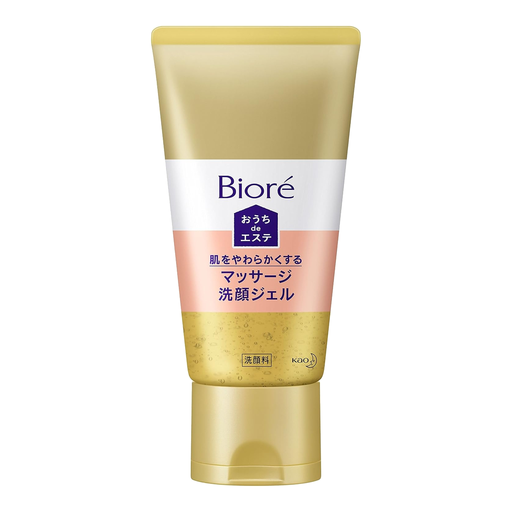
Why it suits this profile: The rich foaming texture and 150-gram contents make this a straightforward choice for anyone looking for a daily cleanser for oily or combination skin.
The product information states that it has a gentle foaming formula for daily use. However, monitor how your skin reacts and avoid rubbing vigorously.
150g contents; foaming formula; according to the product description, suitable for all skin types, with an emphasis on oily and combination skin.

Why it suits this profile: This Korean facial cleanser has a light gel texture and, according to the product information, is intended for all skin types, including dry or sensitive skin.
The product description focuses on a light, hydrating cleanse rather than a strong scrub sensation. Check the ingredients if you have any known allergies.
100 ml contents; gel texture; according to the supplied specifications, vegan, hypoallergenic and free from fragrance and essential oils.
We have put together a complete, up-to-date list of products that fully meet these strict selection criteria and the applicable European safety regulations.
A cleanser for blemish-prone skin does not need to be rubbed in vigorously. Extra care is important when using a product containing scrub particles, powder enzymes or acids. For example, Kanebo Suisai Beauty Clear Black Powder comes in capsules and, according to the ingredients list, contains charcoal, clay and enzymes, among other ingredients. Use this type of formula according to the condition of your skin and follow the instructions on the packaging.
A gel or foaming facial cleanser containing ingredients such as salicylic acid, charcoal or clay may suit oily skin. Do not choose solely based on the claim “pore cleanser”; also check whether the formula is suitable for daily use and whether it contains fragrance or essential oils.
That depends on the formula. A gentle facial cleanser without scrub particles can often be incorporated into a daily routine when the packaging indicates this is suitable. A scrub or product containing several exfoliating acids may be intended for less frequent use. For example, NIVEA DERMA Skin Clear Face Scrub states a maximum use of two to three times per week.
Check the expiry date, batch information and any period-after-opening symbol on the packaging. Store the product at room temperature, away from direct sunlight and tightly closed. If the scent, colour or texture changes, or if irritation occurs, stop using the product and check the product information.
