
Vandaag of morgen in huis

Kwaliteit gegarandeerd

Welkomstaanbiedingen ontgrendelen: GRATIS bezorging | Tot 80% korting | Gratis 30 dagen JoyPlus-proefperiode
Download de app
A facial cleanser seems simple: apply, rinse and you’re done. Yet many people buy a product that cleanses too aggressively, fails to remove make-up properly or leaves their skin feeling tight after a few weeks. The right choice depends not only on the brand or eye-catching packaging, but mainly on cleanser type, ingredients, pH level and when you use it.
This guide will help you compare facial cleansers for sensitive, dry, normal, combination, oily or blemish-prone skin.
A foaming facial cleanser often feels refreshing. However, lots of foam does not automatically mean that the product cleanses better. A formula containing powerful cleansing agents can also leave skin feeling dry or tight. Pay attention to how your skin feels after rinsing: comfortably clean is more practical than a lingering tight sensation.
Words such as “repairing”, “pore-purifying” or “brightening” mean little without the full ingredients list. Based on a brand’s own research or product claims, these terms should not be treated as guaranteed results. Instead, look for verifiable information such as:
Micellar water is useful as a make-up remover or for a quick cleanse. According to the product information, some varieties also remove SPF and waterproof make-up. However, a second cleanse with water can be useful if a film remains on the skin or if you have used a lot of make-up and sun cream. A micellar cleanser and a gel cleanser therefore do not have exactly the same role.
You will usually use a gel cleanser on a damp face and rinse it off. This type is well suited to daily cleansing in the morning or evening. A foaming formula can feel pleasant on normal, combination or oily skin, but the formulation is still more important than the amount of foam.
Apply micellar water with a cotton pad. It is practical for removing make-up, while travelling or when you do not have immediate access to a sink. For waterproof make-up, a dedicated make-up remover may be more suitable than an ordinary cleansing gel.
A low-pH facial cleanser generally has a slightly acidic pH that is close to the skin’s natural acidity. For example, the SOME BY MI Snail TrueCICA Miracle Repair Low pH Gel Cleanser states a pH of 5.5. According to the product information, the Low pH Good Morning Gel Cleanser is also positioned as a low-pH formula.
A low pH does not guarantee that everyone will find a product comfortable to use. Also check for fragrances, essential oils and how your own skin feels. If your skin reacts quickly, a patch test is advisable.
A gentle facial cleanser often contains moisturising ingredients such as glycerine, panthenol, betaine or hyaluronic acid. A hydrating facial cleanser will not automatically prevent dry skin, but it can make cleansing feel more comfortable.
If you have sensitive skin, look for a fragrance-free formula and a short ingredients list. Stop using the product if irritation or an allergic reaction occurs. Product information stating “hypoallergenic” or “dermatologically tested” comes from the brand and is not a guarantee that the product will suit you personally.
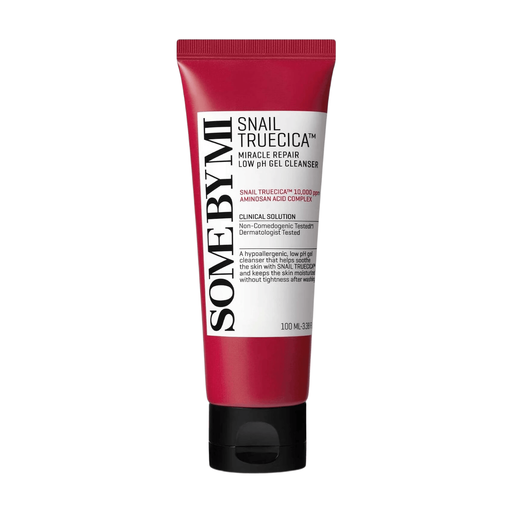
Why it suits this profile: A rinse-off gel cleanser with a stated pH of 5.5 and a size of 100 ml. According to the product information, the formula contains glycerine, panthenol, ceramides and an amino acid complex, among other ingredients.
The pH level is clearly stated, so you do not have to rely solely on terms such as “gentle”. Use a small amount and rinse thoroughly.
Gel texture, 100 ml size and a stated low-pH formula with glycerine, panthenol and ceramides.
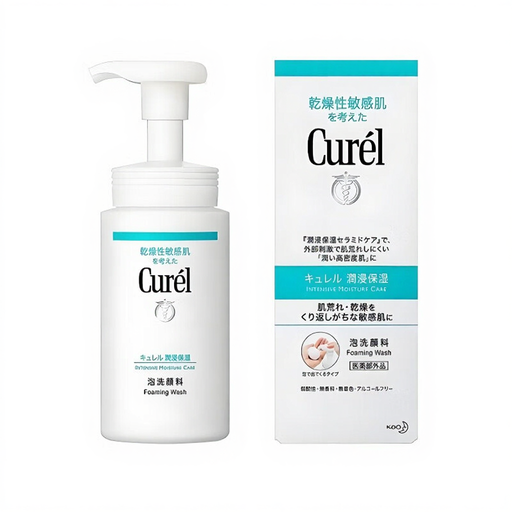
Why it suits this profile: The product description focuses on sensitive skin and a foaming texture. The cleanser is designed to remove dirt and oil as part of your daily routine.
The instructions recommend creating a lather first and then massaging gently. This helps to reduce friction from rubbing firmly over the skin straight away.
Foaming formula, 150 ml size and clear instructions for use on damp skin.
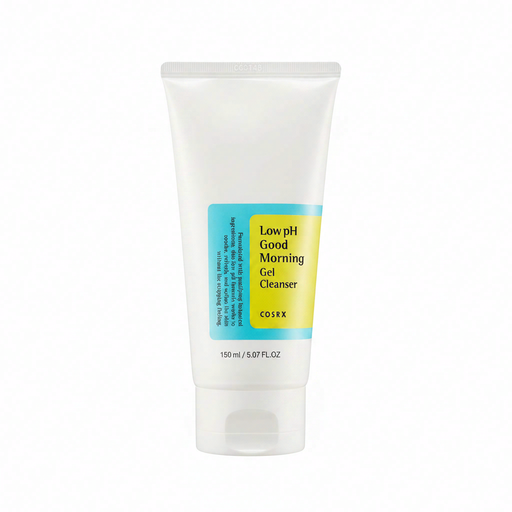
Why it suits this profile: This compact gel cleanser fits into a Korean skincare routine and, according to the product information, is designed for a fresh morning cleanse.
The product information states that it is a low-pH formula and recommends cleansing with lukewarm water. However, check whether tea tree oil is suitable for your skin.
Travel-friendly 50 ml size, gel texture and glycerine as a stated hydrating ingredient.
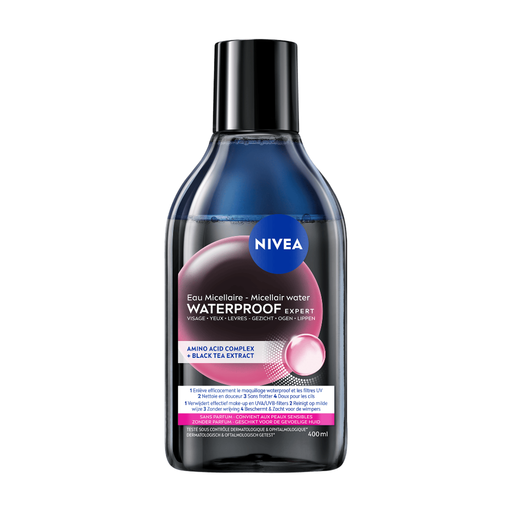
Why it suits this profile: A large bottle for users who regularly remove waterproof make-up, SPF or eye make-up. According to the product information, it is designed for use on the face and eyes.
The instructions emphasise wiping gently without rubbing hard. Use a clean cotton pad and hold it over the closed eye briefly before wiping.
400 ml size, micellar formula and product information focused on waterproof make-up and eye make-up.
We have put together a complete, up-to-date list of products that fully meet these strict selection criteria and the applicable European safety regulations.
If you have blemish-prone skin, a cleanser for blemish-prone skin is not a substitute for personal advice when problems persist. A cleanser is also rinsed off shortly afterwards, so do not expect active ingredients to have a treatment effect without clear supporting evidence.
Micellar water is a type of facial cleanser that you use with a cotton pad. It is particularly practical for removing make-up and surface dirt. A gel cleanser or foaming facial cleanser is applied with water and rinsed off. The right option depends on your routine and how much make-up or SPF you use.
For many people, cleansing once in the evening is enough, especially after a day wearing SPF or make-up. According to the directions for use, some products are suitable for morning and evening use. If your skin feels tight or dry after cleansing, use less product or choose a gentler formula.
Check the expiry date, batch information and any period-after-opening symbol on the packaging. Store the bottle according to the instructions, close the cap securely and keep it out of direct sunlight. If the smell, colour or texture changes, stop using the product.
