
Vandaag of morgen in huis

Kwaliteit gegarandeerd

Welkomstaanbiedingen ontgrendelen: GRATIS bezorging | Tot 80% korting | Gratis 30 dagen JoyPlus-proefperiode
Download de app
A facial cleanser should remove dirt, sebum, sun cream and make-up without leaving your skin feeling tight after washing. However, choosing the right one is not always straightforward. A face cleanser that works well for oily skin may be too intense for sensitive skin. And a rich cleansing foam is not automatically more thorough than a gel or micellar water.
So do not focus only on terms such as “deep cleansing” or “cleans pores”. Pay particular attention to the formula, how it is used and how well it fits into your daily routine.
A strongly foaming cleanser can leave your skin feeling clean, but lots of foam alone says little about the quality of the cleansing. If your skin feels tight, dry or stings after use, the facial cleanser may be too intense for everyday use.
A mild facial cleansing gel or a low-pH formula may be more practical in that case. Wash with lukewarm water and massage briefly; vigorous rubbing will not permanently make pores smaller.
Salicylic acid, niacinamide, tea tree and plant extracts are often found in products for oily or blemish-prone skin. The presence of one of these ingredients does not automatically mean that an acne facial cleanser will solve every skin concern.
According to the NIVEA product description, the DERMA Skin Clear Cleansing Gel contains salicylic acid and niacinamide, and the formula is intended for blemish-prone skin. These are verifiable product specifications, but results vary from person to person. Stop using the product if irritation occurs and seek advice from a doctor or dermatologist if skin problems persist.
A regular face cleanser does not always remove all waterproof make-up or sun cream in a single wash. For heavier make-up, a cleansing oil or micellar water may be more convenient as a first step. You can then use a gel or cleansing foam to remove any residue.
Micellar water that does not need rinsing can be practical, but always follow the instructions on the packaging. If you have sensitive skin, repeatedly rubbing with a cotton pad may actually feel uncomfortable.
Do not just look at the front of the packaging. Check the ingredients list and the warnings:
Compare the volume in millilitres or grams and consider how often you use the product. A pump bottle can be convenient for daily use, while a tube is often compact enough for a washbag. Also check the expiry date or the period after opening shown on the packaging.
For products from abroad, the language, ingredients list and usage advice may vary. Choose a product with clear safety information and use it only externally.

Why it suits this profile: The lightweight gel texture and 100 ml size make this a straightforward choice if you are looking for a Korean facial cleanser for everyday use.
The product description mentions gentle cleansing and a formula without fragrance or essential oils. However, always check the current packaging.
100 ml, gel texture, glycerine and several plant extracts according to the ingredients list.
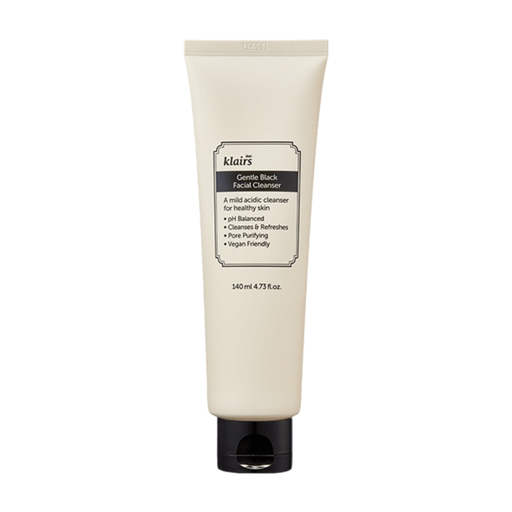
Why it suits this profile: If you pay close attention to ingredients, this lightweight, mildly acidic cream cleanser contains ceramide NP, beta-glucan and hydrolysed hyaluronic acid, among other ingredients.
The product information mentions tests for eye irritation and the removal of fine particles. This remains a brand claim; stop using the product if redness or discomfort occurs.
140 ml, mild surfactants and a fragrance-free formula according to the supplied product information.
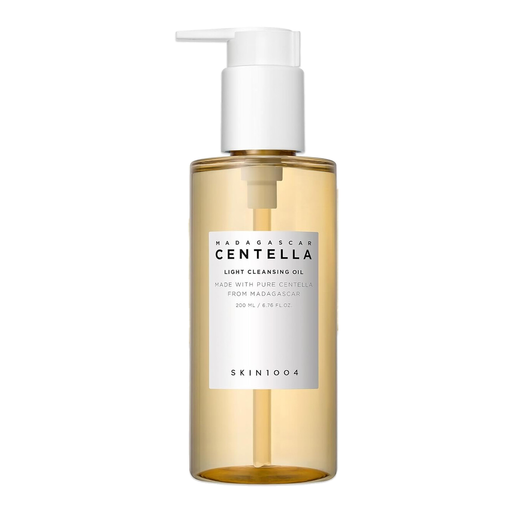
Why it suits this profile: This cleansing oil is designed to dissolve make-up and everyday residue. That makes it suitable for an extensive evening routine or double cleansing.
You do not have to remove make-up exclusively with a foaming face wash. Apply the oil to dry skin, then rinse it off with lukewarm water.
200 ml, lightweight oil texture and six plant-based oils according to the product description.
We have put together a complete, up-to-date list of products that fully meet these strict selection criteria and the applicable European safety regulations.
A facial cleanser for sensitive skin does not have to be completely non-foaming, but fragrance, essential oils and active ingredients deserve extra attention. For oily skin, a gel, micellar water or product with salicylic acid may be suitable, depending on the rest of your routine. A Korean facial cleanser is primarily a skincare style; here too, look at the specific ingredients and warnings.
For many adults, once in the evening is enough to remove dirt, sebum, sun cream and make-up. In the morning, a mild cleanse with water or a gentle face cleanser may be sufficient. You can use a product described as suitable for morning and evening in this way, as long as your skin remains comfortable.
Micellar water is a liquid cleanser that you usually apply with a cotton pad. It is practical for removing make-up. A gel, foam or cream is generally massaged in with your hands and rinsed off with water. For waterproof make-up, a cleansing oil may be more suitable as a first step.
This depends on the size, amount used and frequency of use. A 150 to 200 ml bottle will generally last longer with daily use than a 50 or 100 ml tube, but the exact duration varies from person to person. Do not use more product than necessary and follow the expiry information on the packaging.
