
Same-day & Next-day Delivery

Quality Guaranteed

Unlock Your Welcome Offers: FREE Delivery | Up to 80% OFF | Free 30-day JoyPlus trial
Download the APP
A facial cleanser seems simple: apply, rinse and you’re done. Yet many people buy a face cleanser that is too drying, fails to remove enough make-up or sounds appealing mainly because of its marketing claims. The right choice depends not only on the brand or packaging, but also on your skin type, the formula and how you use the product.
A tight or dry feeling after washing does not automatically mean that your skin has been thoroughly cleansed. It may indicate that the face cleanser removes a lot of sebum or leaves your skin feeling uncomfortable. Particularly if you have dry or sensitive skin, using a strongly foaming facial cleanser every day may be less pleasant.
Words such as “pore cleanser”, “hydrating” or “for acne-prone skin” do not tell the whole story. Also look at the full ingredients list, the texture and any warnings. A product containing salicylic acid or tea tree oil may be interesting for oily skin, but it is not automatically suitable for everyone.
According to a brand’s own research, certain ingredients may support a particular effect. This is not a universal guarantee. Always check the product information and stop using the product if irritation occurs.
A lightweight gel may be sufficient for a normal morning routine, but it does not always remove waterproof make-up or sun cream completely. Conversely, a rich foam cleanser may be unnecessarily intense when your skin only needs sweat and sebum removed. Double cleansing may be more practical when you are wearing make-up or stubborn sun cream.
A low pH cleanser generally has an acidity level closer to that of the skin. This may feel comfortable for some users, but pH alone does not determine whether a product is right for you. The cleansing agents used, fragrance, essential oils and how often you wash your face also play a role.
A Japanese facial cleanser is often known for a rich foaming texture, while a Korean facial cleanser is regularly available as a gel, foam or cleansing milk. However, the product’s origin does not tell you everything: always compare the specific formula.
Do not compare the price alone; consider the amount of product as well. Many daily cleansers contain between 100 and 200 ml or grams. A small 50 ml tube can be handy for travelling, but is less economical when used in the morning and evening.
Also check:

Why it suits this profile: The gel texture and 100 ml size make this a straightforward starting point for anyone looking for a Korean facial cleanser for daily use. The product description mentions plum water, mung bean extract and glycerine.
According to the product details, the formula is free from fragrance and essential oils. This makes the formula easier to assess than a product presented mainly through its scent or foam.
Gel texture, 100 ml size, and described on the product page as vegan and suitable for all skin types.
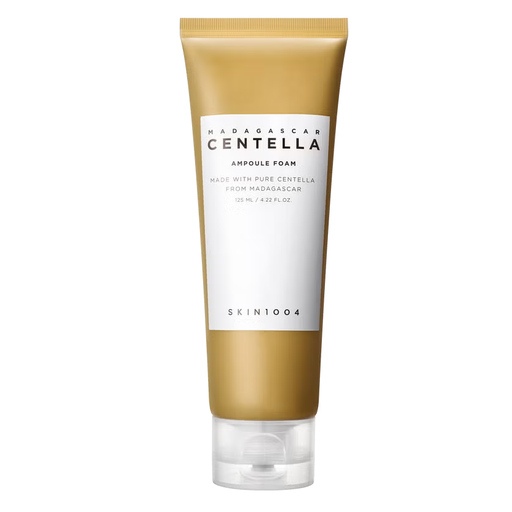
Why it suits this profile: According to the product information, this foam cleanser has a pH of 5 and is intended for daily use on different skin types.
The pH value is clearly stated, allowing you to look beyond a general claim such as “gentle”. Use lukewarm water and massage without rubbing harshly.
125 ml size, rich foaming texture and pH 5 stated in the product description.
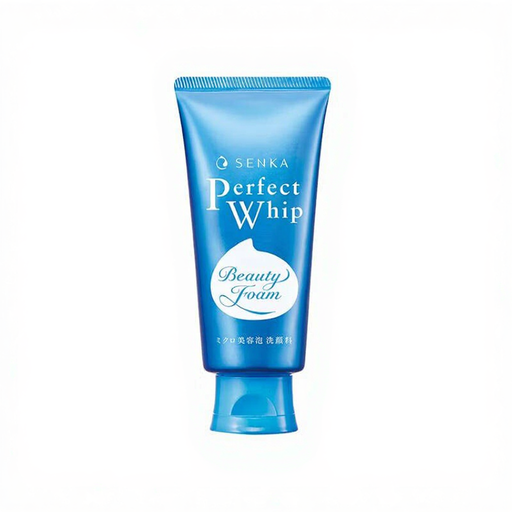
Why it suits this profile: According to the product description, this Japanese facial cleanser is designed to create a rich, airy foam. It suits users who particularly value a generous lather and a thorough cleansing sensation.
The 120 g quantity and the listed ingredients can be checked. However, take note of fragrance and sodium metabisulphite in the ingredients list if you are sensitive to them.
120 g size, rich foam texture, and hyaluronic acid and silk extract mentioned in the product information.
We’ve put together a complete, up-to-date list of products that fully meet these strict selection criteria and the applicable European safety regulations.
When double cleansing, you would generally start with a cleansing milk or oil-based cleanser to loosen make-up and sun cream. You then use a gel or foam cleanser to rinse away any residue. This is not necessary for every routine; one product may be sufficient for a light morning cleanse.
For many adults, using one in the morning and once in the evening is standard. If you have dry or sensitive skin, cleansing only in the evening may feel more comfortable. Adjust the frequency if your skin feels tight, red or irritated.
This depends on the product size and how much you use each time. A 150 ml tube will usually last longer with daily use than a 50 ml mini. Check the recommended period after opening and the date on the packaging. Store the product in a cool place away from direct sunlight.
No. Price alone does not determine whether a product is suitable. Compare the size, ingredients, texture, pH information and directions for use. A simple, gentle facial cleanser that suits your skin type may be more practical than a more expensive product with features you do not need.
