
Vandaag of morgen in huis

Kwaliteit gegarandeerd

Welkomstaanbiedingen ontgrendelen: GRATIS bezorging | Tot 80% korting | Gratis 30 dagen JoyPlus-proefperiode
Download de app
A facial cleanser may seem like a simple product, but there are big differences between gels, foams, milks and oils. A formula that works well for oily skin may leave dry or sensitive skin feeling tight. And a rich lather doesn’t automatically mean your skin is getting a more thorough cleanse.
So, the right choice doesn’t start with eye-catching packaging or a claim such as “deep pore cleansing”. It starts with the ingredients, when you’ll use it and your skin type.
A foaming facial cleanser can feel refreshing, but the amount of foam says little about how gentle the formula is. Some products contain cleansing agents that leave your skin feeling tight after rinsing. This can be particularly uncomfortable if you have dry or sensitive skin.
So, check the full ingredients list rather than judging by texture alone. A lightly foaming gel cleanser can be just as suitable for daily facial cleansing as a richer foam.
A product may be described as suitable for all skin types, but your skin could still react to ingredients such as fragrance, essential oils or certain preservatives. “For all skin types” is a useful guide, not a personal guarantee.
Always check the ingredients in a cleanser for sensitive skin. Stop using it if you experience redness, itching, a burning sensation or swelling. You could also test a new product on a small area of skin first, and avoid contact with your eyes.
A regular cleansing gel removes dirt, sweat and excess sebum, but not every formula will completely remove waterproof make-up or long-wear sun cream. For facial make-up removal, a cleansing milk or oil may be more practical as a first step. You can then use a gel or foam.
For example, the SKIN1004 Hyalu-Cica Gentle Cleansing Milk is designed to be applied to a dry face with dry hands. According to the product description, a second cleanser may be needed for heavy make-up.
A low-pH cleanser generally has an acidity level closer to the skin’s natural pH. That doesn’t automatically mean every low-pH product will feel comfortable for everyone, but it can be a useful specification to consider if your skin often feels tight.
The Dr. Althea Green Relief Amino Gel Cleanser lists a mildly acidic pH of 5,0–6,0. The formula contains amino acid- and coconut-based cleansers, among other ingredients. According to the product description, the gel is designed to cleanse gently with less friction.
Look beyond marketing terms and check the first ingredients on the list. Glycerine, betaine, panthenol, hyaluronic acid and ceramides, for example, are found in formulas that also aim to leave skin feeling hydrated. This doesn’t mean they guarantee a medical or long-lasting effect.
A hydrating facial cleanser is still a product you rinse off. So, expect it mainly to feel comfortable while you cleanse and afterwards, rather than to work like a leave-on serum or cream.
Use lukewarm water, massage without rubbing too hard and pat your skin dry. Hot water and prolonged massaging can make cleansing less comfortable.
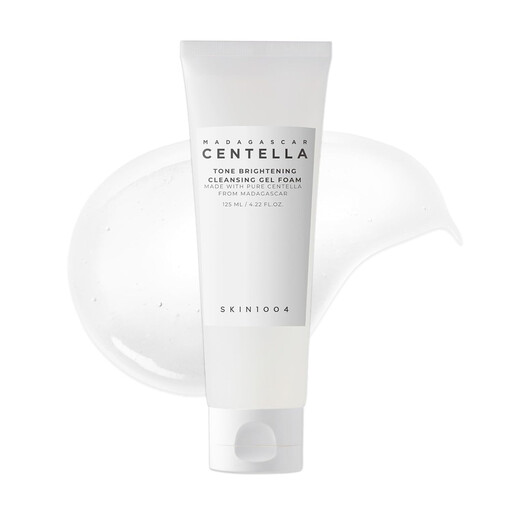
Why it suits this profile: The light gel turns into a gentle foam and is easy to fit into a morning and evening routine. The 125 ml size is a practical introduction to Korean skincare.
The product description highlights a gentle, easy-to-rinse foam rather than a heavy-duty cleanse. If you’re sensitive to specific ingredients, be sure to check the ingredients list.
125 ml; gel-to-foam texture; contains glycerine, centella asiatica and panthenol according to the ingredients list.
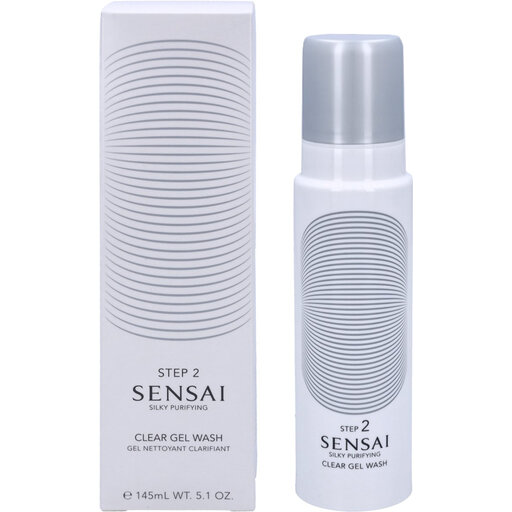
Why it suits this profile: The gel texture, pump bottle and 145 ml size are a good match for anyone who values a considered routine and clear product details.
The description specifies a gel for daily cleansing and makes no unclear pH claims. Please note: the ingredients list contains fragrance and alcohol.
145 ml; pump bottle; gel texture; 12-month shelf life after opening according to the product information.
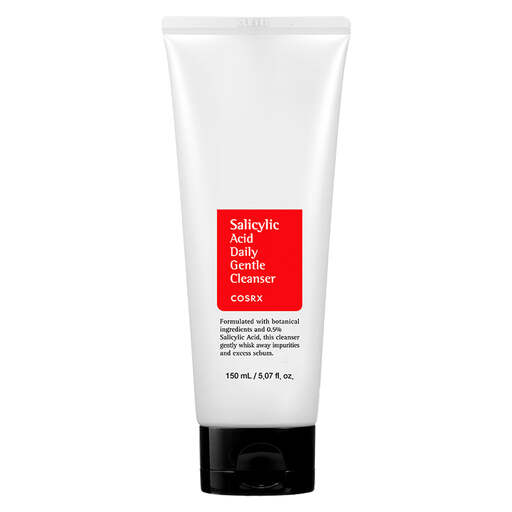
Why it suits this profile: According to the product information, this foam cleanser contains 0,5% salicylic acid and is designed for combination, oily or acne-prone skin. That makes it relevant to a targeted routine, but not automatically suitable for everyone.
The salicylic acid concentration is listed, so you don’t have to rely on a vague “pore” claim alone. Patch test first and stop using it if irritation occurs.
150 ml; 0,5% salicylic acid; contains glycerine and tea tree oil according to the product information.
We’ve put together a complete, up-to-date list of products that meet these strict selection criteria and comply with current European safety regulations.
For most routines, cleansing once in the evening is enough to remove dirt, sebum, sun cream and make-up residue. In the morning, lukewarm water or a gentle facial cleanser may be sufficient, depending on your skin type. If you have dry or sensitive skin, you may find that cleansing less often is more comfortable than if you have oily skin.
Check the best-before date and the period-after-opening symbol on the packaging. Many products in this selection state 12 months after opening, but the packaging of your own product is the best guide. Keep your cleanser tightly closed, somewhere dry and out of direct sunlight.
Look for a light gel or foam cleanser and consider which ingredients are relevant to your skin. According to the product information, the Salicylic Acid Daily Gentle Cleanser contains 0,5% salicylic acid, but it may be less suitable if your skin is easily irritated. A gentle formula without active exfoliating ingredients may be a more practical place to start. If you have persistent skin problems, consult a doctor or dermatologist.
