
Vandaag of morgen in huis

Kwaliteit gegarandeerd

Welkomstaanbiedingen ontgrendelen: GRATIS bezorging | Tot 80% korting | Gratis 30 dagen JoyPlus-proefperiode
Download de app
A good facial cleanser should remove dirt, sebum, sun cream and make-up residue without leaving your skin feeling tight. Even so, it can be difficult to compare products fairly. Packaging uses terms such as “pore-cleansing”, “hydrating” and “for all skin types”, but formulas and how they feel on your skin can vary considerably.
Use this practical guide to focus on the features that really matter: texture, ingredients, pH, size and instructions for use.
A thick foam or cleansing foam can leave your skin feeling clean, but that alone says nothing about how gentle it is. A formula can produce plenty of lather and still be less suitable for dry or sensitive skin. So check the ingredients list and any warnings too. Fragrance, essential oils or exfoliating acids may not suit everyone.
A cleanser for all skin types can be a useful compromise, but it may not be the right choice for your skin. Oily skin often benefits more from a light gel or foaming texture. For dry skin, a hydrating facial cleanser containing glycerine or other moisture-binding ingredients is usually a better fit.
A regular gel or foam isn’t always designed to be a make-up remover. Waterproof mascara, foundation and sun cream in particular may need an initial cleansing step. A cleansing oil can loosen make-up and oily residue. You can then follow with a water-based cleanser if you want to double cleanse.
Check the size too. Many products contain 100 to 150 ml; a 20 or 50 ml mini is handy for travelling or trying a product out first.
For sensitive skin, a short, easy-to-follow ingredients list is often a practical choice. Look out for fragrance and essential oils if you’ve reacted to them before. Product descriptions may use terms such as “gentle” or “soothing”; treat these as information from the brand, not a guarantee of how the product will work for you personally.
Glycerine, panthenol or hyaluronic acid may be worth looking for if you have dry skin. Some formulas for oily or blemish-prone skin contain salicylic acid, AHA, BHA or PHA. These ingredients can cleanse or exfoliate the skin more intensively, but they aren’t automatically suitable for daily use by everyone. Introduce them gradually and stop if irritation occurs.
A low pH cleanser has an acidity level that, according to the product description, is closer to that of the skin. Some people may find this type of formula comfortable to use, but pH isn’t the only thing to consider. The overall formula, how long you wash for and how much product you use also matter.
Most people wash their face once or twice a day with lukewarm water. Scrubbing hard, using hot water and massaging for too long can put unnecessary strain on your skin. Always follow the instructions on the packaging and avoid contact with your eyes.

Why it suits this profile: Its gel texture and 100 ml size make this an easy-to-choose option if you’re looking for a Korean facial cleanser for everyday use.
The product information describes a cleansing gel with glycerine and various plant extracts, to be used with lukewarm water. Check the ingredients yourself if you’re sensitive to fragrance or certain extracts.
Gel texture, 100 ml size and, according to the product listing, suitable for all skin types, with claims such as vegan and fragrance-free.
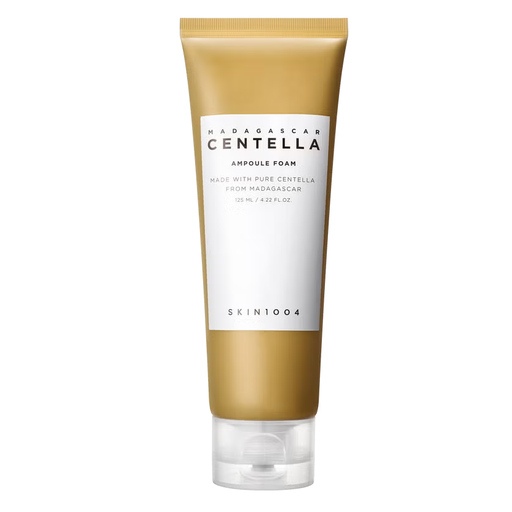
Why it suits this profile: If you value a refined foaming texture and a low pH, you can compare this 125 ml formula with other options.
The product description gives a pH of 5 and recommends using it with wet hands and lukewarm water. This makes it easier to follow the instructions in practice, rather than relying on marketing terms alone.
125 ml size, pH 5 according to the product information, and a foaming texture for your daily cleansing routine.
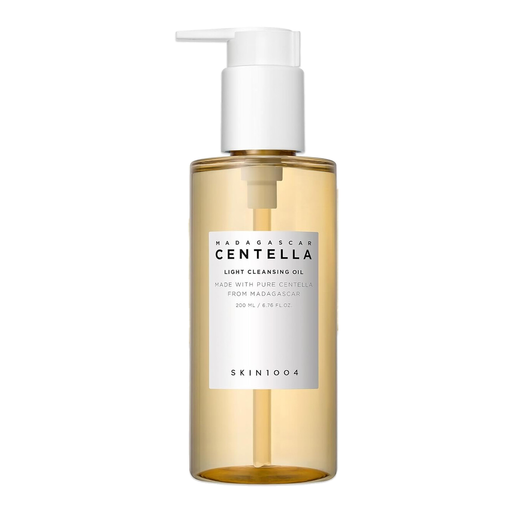
Why it suits this profile: This is a good fit if you want to loosen make-up, sun cream or oily residue every day before optionally using a second cleanser.
The instructions say to apply it to dry skin with dry hands, then rinse with lukewarm water. This means you use a cleansing oil differently from a gel or foam.
200 ml size, a light oil texture according to the product description, and designed to remove make-up and residue.
We’ve put together a complete, up-to-date list of products that meet these strict selection criteria and current European safety regulations.
If your cleanser contains salicylic acid, AHA, BHA or PHA, it’s best not to introduce several exfoliating products at the same time. If you experience redness, swelling, a burning sensation or persistent irritation, stop using the product and seek advice from a doctor or dermatologist if needed.
For many adults, cleansing once in the evening is enough to remove dirt, sebum, sun cream and make-up. In the morning, you can use a gentle facial cleanser or just lukewarm water, depending on your skin type and routine.
A cleansing oil can loosen make-up and oily residue, but suitability varies by formula and person. Check the ingredients, rinse thoroughly and, if you like, follow with a water-based cleanser. A claim such as “non-comedogenic” comes from the brand; it isn’t a guarantee for every user.
It depends on the size, how much you use each time and how often you use it. A 150 ml bottle will generally last longer with daily use than a 20 or 50 ml mini. Follow the expiry and period-after-opening information on the packaging, and store the product in a cool, dry place away from direct sunlight.
