
Vandaag of morgen in huis

Kwaliteit gegarandeerd

Welkomstaanbiedingen ontgrendelen: GRATIS bezorging | Tot 80% korting | Gratis 30 dagen JoyPlus-proefperiode
Download de app
The facial cleanser aisle can be overwhelming. Dozens of bottles promise flawless skin, but the reality is often a bathroom cabinet full of regrettable purchases. As a Product Recommendation Officer at Joybuy, I see the challenges consumers face every day. Before you make another purchase you'll regret, let's discuss a few common pitfalls.
natural facial cleanser sounds good, but "natural" is no guarantee of "better" or "gentler." Some botanical extracts or essential oils can actually irritate the skin. The effectiveness and mildness depend on the total formula, not one or two trendy ingredients.To avoid disappointment, it's better to focus on a few concrete product features. These specifications give a much clearer picture of what a facial cleanser can do for your skin.
The skin naturally has a slightly acidic pH level, usually around 5.5. This helps it retain moisture and keep bacteria out. Many traditional soaps and cleansers have a high (alkaline) pH, which can disrupt the skin barrier. A mild facial cleanser with a skin-neutral or low pH helps respect your skin's natural balance. Products that mention their pH level, like a K-beauty cleanser, often show that they pay attention to this.
The ingredients that actually do the cleaning are called surfactants. Some, like Sodium Lauryl Sulfate (SLS), are known for being very effective but also potentially drying and irritating. Milder alternatives often found in a cleansing gel or cleansing foam for sensitive skin include Coco-Glucoside or Decyl Glucoside. They cleanse effectively without completely stripping the skin.
Look beyond basic cleansing and search for ingredients that match your specific needs:
pore cleanser with these components can be a great choice.Based on objective product characteristics, we have selected a few options that suit different needs.
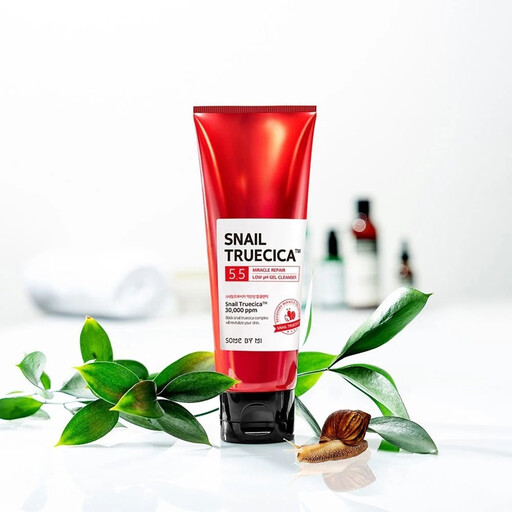
Why This Fits Their Persona: This person is looking for an extremely mild cleanser that doesn't irritate the skin, but instead calms it. The focus is on restoring and maintaining a fragile skin barrier.
This cleansing gel avoids the "squeaky clean" trap with its low pH of 5.5, which respects the skin's natural acidity. It's not made for "all skin types" but is specifically targeted at calming the skin.
Contains Truecica to soothe the skin and ceramides to support the skin barrier. The gel texture cleanses gently without leaving a tight feeling behind.
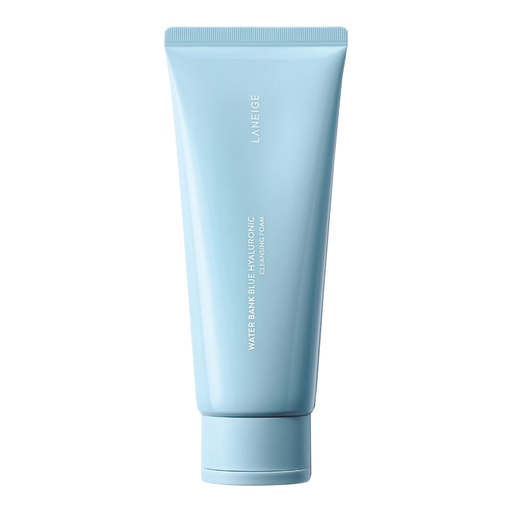
Why This Fits Their Persona: For those who experience an immediate tight feeling after cleansing. This user needs a cleanser that not only cleans but also actively contributes to the skin's hydration.
This cleanser is the opposite of the "squeaky clean" trap. Its formula is specifically developed to maintain the moisture balance and leave a comfortable, hydrated feeling.
Contains micro-hyaluronic acid, a well-known ingredient for hydration. The foam effectively cleanses dirt and makeup residue but is gentle enough for daily use on drier skin.
We have compiled a complete, up-to-date list of products that meet these selection criteria and comply with current regulations.
For most people, cleansing twice a day is a good guideline: in the morning to remove sweat and sebum from the night, and in the evening to wash away makeup, dirt, and impurities from the day. If you have very dry or sensitive skin, once a day (in the evening) may be sufficient. Above all, listen to what your skin needs.
makeup remover, even for waterproof products. Often used as the first step in a double cleansing routine.Double cleansing is a method popularised by K-beauty. It involves first cleansing with an oil-based product (like a cleansing oil or balm) to dissolve makeup, sunscreen, and sebum. Then, you follow up with a water-based cleanser (like a gel or foam) to cleanse the skin itself. It's not a must for everyone, but it can be very beneficial if you wear a lot of makeup or have oily, blemish-prone skin.
