
Vandaag of morgen in huis

Kwaliteit gegarandeerd

Welkomstaanbiedingen ontgrendelen: GRATIS bezorging | Tot 80% korting | Gratis 30 dagen JoyPlus-proefperiode
Download de app
A facial cleanser might seem like a simple product, but the wrong choice can quickly leave your skin feeling tight, overly shiny or irritated. A face wash that works well for oily skin isn’t automatically suitable as a cleanser for sensitive skin. And a high price tag doesn’t necessarily reflect the quality of the formula or how easy it is to use.
As a Joybuy Product Recommendation Officer, I focus on verifiable information: skin type, texture, ingredients, frequency of use, volume and warnings. This way, you won’t rely solely on terms like “pore-refining”, “deep cleansing” or “acne care”.
A facial cleanser that leaves your skin feeling extremely tight hasn’t necessarily cleaned it better. A foaming cleanser that’s too strong, or a face wash with lots of degreasing ingredients, can be uncomfortable for daily use. So always check the recommended skin types and use the cleanser as directed on the packaging.
Pores can’t be permanently eliminated by a cleansing gel. However, according to the product description, a cleanser can help remove excess sebum and dirt. For a facial cleanser designed for oily skin, ingredients like salicylic acid, clay or charcoal are worth comparing, but they don’t guarantee a specific result.
Perfume, essential oils and exfoliating ingredients may not be suitable for everyone. Always check the full ingredients list, especially if you’re choosing a facial cleanser for sensitive skin. If you experience redness, itching or a burning sensation, stop using the product. Avoid using it on damaged or irritated skin.
A low pH cleanser is often chosen because the formula is said to disturb the skin’s natural balance less. However, do check whether the pH value is actually stated. The Dr. Althea Green Relief Amino Gel Cleanser, for example, lists a pH of 5.0–6.0. Other products only say “respects the natural pH” in the product description.
Also look at the surfactants – the cleansing ingredients. Amino acid and coconut-derived surfactants are often used in gentler formulas. That doesn’t automatically mean every product is suitable for everyone; individual tolerance still matters.
Don’t just compare the price of a tube. A 150 ml, 100 ml or 200 ml pack will last a different length of time. According to the product information, the Fancl Acne Care Washing Cream provides an estimated 60 applications. Always use the recommended amount rather than applying extra product for a “cleaner” feeling.
Also look out for:
The selection below is based on the stated product form, volume, ingredients and instructions for use. Brand descriptions about hydration, pores or blemishes are presented as product claims, not guaranteed results.
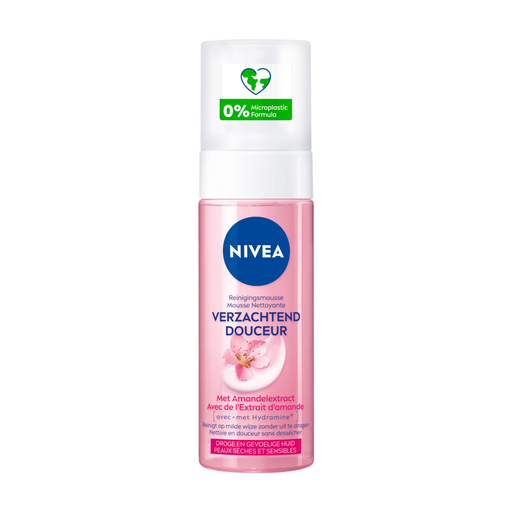
Why this fits the profile: The foam texture is easy to dispense and the pack contains 150 ml. According to the product description, this face wash is intended for dry and sensitive skin.
The product information mentions a gentle mousse and lists almond oil and Hydramine. However, check the ingredients list for perfume if you’re sensitive to it.
150 ml volume, foam formula and use in the morning and evening as per the product instructions.
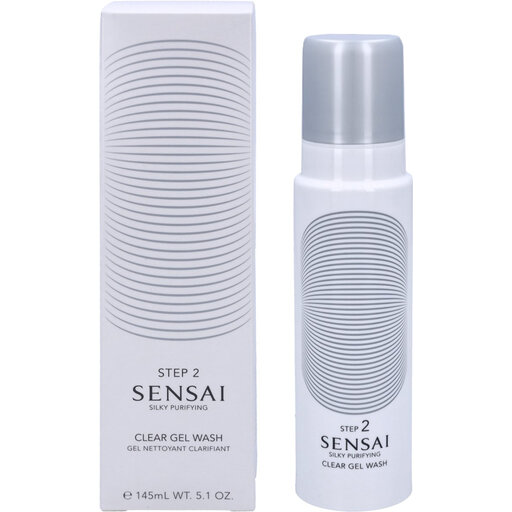
Why this fits the profile: This gel cleanser comes in a pump bottle of 145 ml. According to the product description, it’s designed to remove impurities from the pores and is suitable for all skin types.
The information specifies the gel texture, pump bottle and a shelf life of 12 months after opening. This makes it easier to plan usage and storage.
Gel format, pump packaging and paraben-free stated in the product specifications.
We’ve put together a full, up-to-date list of products that fully meet these strict selection criteria and comply with current European safety regulations.
For many people, once in the evening is enough to remove dirt, sebum and make-up residue. Some products are suitable for both morning and evening use, according to the packaging. If you have dry or sensitive skin, cleansing too often can feel uncomfortable.
A cleanser can remove dirt and excess sebum from the skin’s surface. Products with salicylic acid or BHA are often chosen for skin with clogged pores, according to their product descriptions. A lasting result isn’t guaranteed; use the product as directed and stop if irritation occurs.
Check the expiry date on the packaging and the symbol for the period after opening, for example 12M. Store the facial cleanser sealed, at room temperature and away from direct sunlight, unless the manufacturer gives different instructions.
