
Livraison le jour même et le lendemain

Qualité garantie

Débloquez vos offres de bienvenue: Livraison GRATUITE | Jusqu'à -80 % | 30 jours d'essai gratuits à JoyPlus
Téléchargez l'application
A facial cleanser may seem like a simple product, but the difference between a comfortable daily cleanse and skin that feels tight often comes down to the formula. Marketing claims such as “deep cleansing”, “pore-free” and “suitable for all skin types” may sound appealing, but they don’t always tell you what to expect in practice.
If you’re buying a Korean facial cleanser or Japanese cleansing foam in the Netherlands, it’s worth looking beyond the packaging and promises. Pay particular attention to the cleansing base, pH, possible fragrance ingredients and how you plan to use the product.
A strong cleanser can remove excess sebum and dirt, but a formula that’s too harsh may also leave your skin feeling uncomfortably tight. That doesn’t necessarily mean your skin is cleaner. Daily vigorous rubbing or cleansing for too long can feel uncomfortable, especially if you have sensitive or combination skin.
A pore cleanser also doesn’t literally make pores disappear permanently. According to product descriptions, products containing clay, foam or exfoliating ingredients may help remove dirt and sebum from the skin’s surface, but results vary from person to person.
A gentle facial cleanser may suit many people, but fragrance, essential oils or certain plant extracts won’t feel comfortable for everyone. Always check the full ingredients list, especially if you’re looking for a facial cleanser for sensitive skin.
Take extra care if you have any known allergies. Stop using the product if you experience redness, itching, swelling or a burning sensation, and follow the safety information on the packaging.
A facial foam cleanser can remove light make-up, sebum and everyday impurities. For waterproof mascara, long-wear foundation or sun cream, using a separate oil or balm cleanser as a first step may be more practical. You can then use a facial cleansing foam to rinse away any residue.
Look at the cleansing agents used. Ingredients such as amino acid-based surfactants, betaine variants and coconut-derived cleansers are often used in gentler formulas. A generous amount of foam doesn’t, by itself, prove that a product cleans better.
A gel cleanser usually feels lightweight and may suit normal, combination or oily skin. A creamy foam produces more lather and may be a good choice if you like your skin to feel thoroughly cleansed. If your skin tends to feel tight, massage briefly and rinse with lukewarm water.
A low-pH facial cleanser typically has a slightly acidic pH, closer to the skin’s natural acidity. Check whether the manufacturer gives a specific value. For example, the product information for Low-pH Good Morning Cleanser describes it as a low-pH formula, while Dr. Althea Green Relief Amino Gel Cleanser lists a pH of 5.0–6.0.
A low pH doesn’t guarantee that a product will suit everyone. The overall formula, fragrance ingredients and your skin’s individual response all matter.
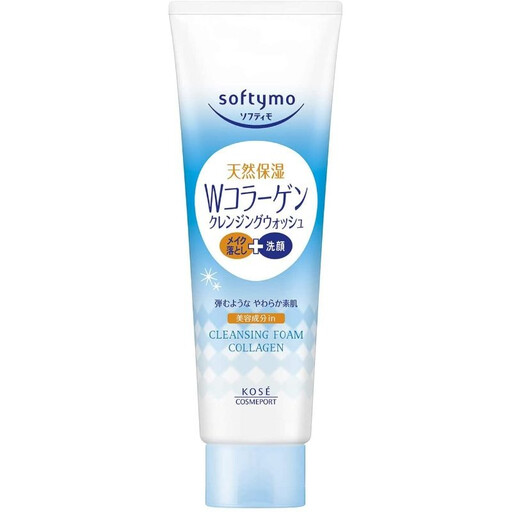
Why it suits this profile: The tube contains 190 grams and is intended for morning and evening use. It’s a straightforward introduction for anyone looking for a classic cleansing foam.
The instructions are simple: massage in a small amount and rinse thoroughly. Don’t expect it to replace a separate make-up remover for the face when removing waterproof products.
Japanese origin according to the product information, a 190-gram tube and suitable for daily use as directed.
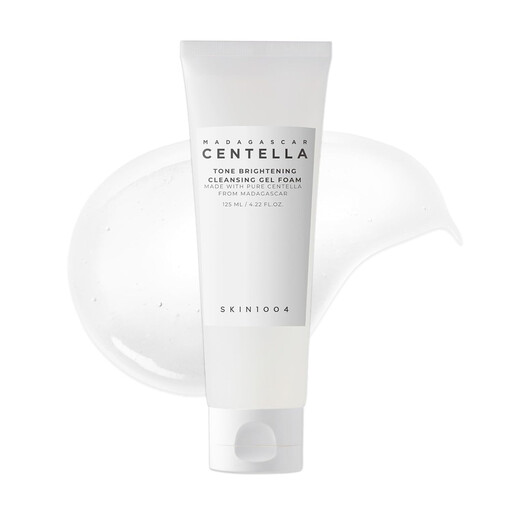
Why it suits this profile: According to the product description, the gel transforms into a soft foam. It’s a good fit if you’re looking for a lightweight texture and a comfortable daily cleanser that rinses off easily.
The product information mentions a gel texture, soft foam and easy rinsing. If you’re sensitive to plant extracts, check the ingredients first.
125 ml, centella asiatica, glycerine and panthenol in the listed ingredients; suitable for daily use according to the product information.
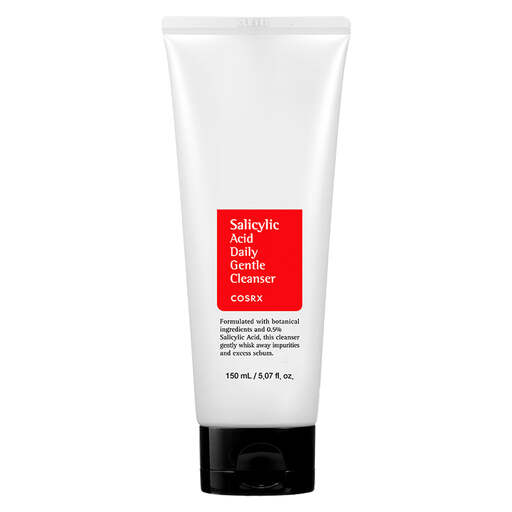
Why it suits this profile: The product description is aimed at combination, oily and blemish-prone skin, and lists 0.5% salicylic acid. It may suit anyone looking specifically for an exfoliating cleanser.
The salicylic acid concentration is listed, making it easier to compare the formula with others. Patch test first and stop if irritation occurs; use sun protection during the day.
150 ml, 0.5% salicylic acid according to the product information, and glycerine in the ingredients list. The product is intended for use on the face.
We’ve put together a full, up-to-date list of products that meet these strict selection criteria and comply with current European safety regulations.
Don’t automatically use a cleanser containing salicylic acid or other exfoliating ingredients more often just because your skin feels oily. Follow the product instructions and pay attention to how your skin responds.
For many people, once in the evening is enough, with a quick cleanse in the morning if needed. Double cleansing may be useful after wearing make-up or sun cream. If you have sensitive skin, cleansing too often may feel uncomfortable.
Check the expiry date, batch information and any period-after-opening guidance on the packaging. Store the product in a cool, dry place, close the tube or pump securely and keep it out of direct sunlight. If the smell, colour or texture changes, it’s best not to use the product.
No. Price alone doesn’t tell you whether a formula is right for you. Compare the size, ingredients, pH information and directions for use, and consider your skin type. A simple, gentle facial cleanser may make more sense for everyday use than a formula with lots of extra claims.
