
Vandaag of morgen in huis

Kwaliteit gegarandeerd

Welkomstaanbiedingen ontgrendelen: GRATIS bezorging | Tot 80% korting | Gratis 30 dagen JoyPlus-proefperiode
Download de app
A facial cleanser may seem like a simple product, but your choice determines how comfortable your daily skincare routine feels. A cleanser should remove make-up, SPF, sebum and dirt without leaving your skin feeling tight or irritated after washing.
If you are looking for a Korean skincare cleanser, a Japanese facial cleanser or a product for sensitive skin, you will quickly come across a wide range of marketing claims. So pay particular attention to the formula, how it is used and the information on the packaging.
A large amount of foam feels refreshing, but says little about how suitable a product is for your skin. Some foaming cleansers can leave your skin feeling dry or tight when used daily. This is particularly relevant if you have dry or sensitive skin. Do not just look at the texture; also consider the ingredients and how often the product should be used.
A water-based cleanser is not always enough to remove waterproof make-up or a heavier layer of oily SPF. A cleansing balm or cleansing oil is used on dry skin to loosen make-up and oil-based residue. You can then follow with a gel cleanser or foaming cleanser if you wish. This is often referred to as double cleansing.
Words such as “purifying”, “brightening” or “for blemish-prone skin” are not a guarantee of a particular result. Look for verifiable information, such as the contents, ingredients, pH information, directions for use and warnings. According to the product information, the Salicylic Acid Daily Gentle Cleanser contains 0.5% salicylic acid, for example. This is a product specification, not a medical promise.
A gel cleanser or foaming cleanser is usually designed to be used with water. Apply the product to damp skin, massage gently and rinse with lukewarm water. This type is suitable for a simple morning routine or as a second step after a cleansing oil or balm.
A formula containing cleansing ingredients may feel comfortable on oily or combination skin. For dry or sensitive skin, a gentler formula without strong fragrances is often a more sensible starting point. Always check the full ingredients list if you know that your skin is prone to reactions.
A cleansing balm has a firm, soft texture that melts on the skin. A cleansing oil is liquid straight away. Both are suitable as a first cleansing step for removing make-up and SPF. They are generally applied with dry hands to dry skin. Massage briefly, then add water to emulsify the product. Rinse thoroughly afterwards.
Check the instructions for the specific product. If you have known allergies, check the ingredients carefully. Also avoid direct contact with the eyes and stop using the product if you experience redness, itching or a burning sensation.
Micellar water is practical when you want to remove make-up or surface dirt quickly. Apply it to a cotton pad and rub as little as possible. According to the product information, some varieties do not need to be rinsed off, but an additional gentle cleanse may feel more comfortable if you have sensitive skin.
Cleansing type and whether it is used on dry or damp skin
Check whether the product is a first cleanser, a water-based cleanser or both. A cleansing balm and cleansing oil are often used on dry skin, while a foaming or gel cleanser is usually applied to damp skin.
Ingredients and possible sensitivities
Look out for fragrance, essential oils, acids and other ingredients that you have reacted to in the past. The Salicylic Acid Daily Gentle Cleanser lists salicylic acid, tea tree oil and lemon oil among the potential points to consider. A patch test in line with the product warning may be advisable.
Contents and shelf life
Compare the contents in millilitres or grams, not just the price of the packaging. A 150 ml tube, a 400 ml bottle of micellar water and a 100 ml balm will be used at different rates. Check the expiry date and batch number on the packaging. For products displaying an open-jar symbol, follow the stated period after opening.

Why it suits this profile: A gel cleanser for anyone looking for a simple cleanser for everyday use. The stated contents are 100 ml, and the directions focus on using it with damp hands and lukewarm water.
The product information describes a gel texture and provides clear rinsing instructions. You therefore do not need to choose based on the amount of foam or vague claims about results.
Gel cleanser; 100 ml; directions for daily cleansing with water.
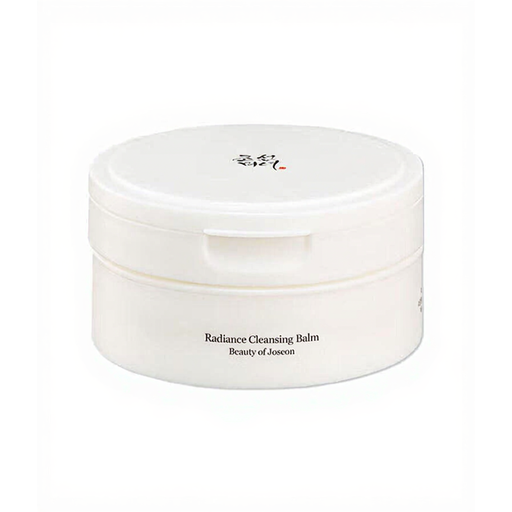
Why it suits this profile: This cleansing balm is designed as a first step to loosen make-up and oil-based residue. The product information states that it contains 100 ml and gives directions for emulsifying it with water.
This is not an all-in-one foaming product: the usage steps make it clear that you first massage it in, emulsify it and then rinse it off thoroughly.
Balm texture; 100 ml; suitable as a first step for make-up and SPF.

Why it suits this profile: The formula contains 0.5% salicylic acid and, according to the product information, is intended for combination, oily or blemish-prone skin. Introduce it gradually and pay attention to your own tolerance.
The percentage of salicylic acid is stated, allowing you to assess a specific ingredient rather than relying solely on a claim about blemishes.
0.5% salicylic acid; 150 ml; clear warning to carry out a patch test and stop using if irritation occurs.
We have put together a complete, up-to-date list of products that fully meet these strict selection criteria and the applicable European safety regulations.
This depends on your skin and the product. Many water-based cleansers are designed for morning and evening use, but dry or sensitive skin may benefit from cleansing less often. Follow the instructions on the packaging and reduce use if your skin feels tight.
Yes, provided the product emulsifies properly and is rinsed off completely. If you wear a lot of make-up or SPF, or your skin feels oily afterwards, you may prefer a second step with a gel cleanser or foaming cleanser. Use lukewarm water and avoid rubbing vigorously.
Check the expiry date, batch number and open-jar symbol on the packaging. Store the cleanser in a cool, dry place away from direct sunlight, and close the packaging securely after use. If the smell, colour or texture changes, it is best to stop using the product.
