
Vandaag of morgen in huis

Kwaliteit gegarandeerd

Welkomstaanbiedingen ontgrendelen: GRATIS bezorging | Tot 80% korting | Gratis 30 dagen JoyPlus-proefperiode
Download de app
A facial cleanser might seem like a simple product, but the range on offer is surprisingly varied. You can choose from a cleansing gel, cleansing foam, face cleanser, micellar product, or a formula with ingredients such as salicylic acid, glycerine or hyaluronic acid. The right choice depends not only on your skin type, but also on how often you cleanse, whether you wear make-up, and how your skin feels after washing.
Marketing claims can be confusing here. A product labelled “deep cleansing” isn’t automatically suitable for daily use, and a rich foam layer says little about how gentle the formula actually is. Below are the key points to consider, along with some popular choices from Korean skincare and Japanese skincare.
A taut sensation after washing is sometimes seen as proof that all oil and dirt have been removed. However, it can also mean the cleanser is too drying for your skin. So pay attention to the ingredients list and to how your skin feels a few minutes later. A suitable hydrating facial cleanser should leave your skin feeling clean yet comfortable.
No cleanser can permanently shrink pores. A product can, however, remove excess sebum, make-up residue and dirt from the skin’s surface. According to some brands’ product descriptions, ingredients like salicylic acid may help cleanse pores, but that’s no guarantee of a specific result for every user.
A low-pH cleanser, tea tree oil or plant extract sounds appealing, but the full formulation still matters. Fragrances, alcohol, essential oils and certain preservatives may be less suitable for some people. Always check the current packaging, especially with a cleanser for sensitive skin or if you’ve experienced irritation before.
A cleanser for acne-prone skin is not a substitute for treatment. If you have persistent complaints, redness or pain, it’s wise to seek advice from a doctor or dermatologist.
A low-pH cleanser is formulated with an acidity level closer to that of your skin. This can be pleasant for daily use, but “low pH” alone doesn’t tell you whether a product is suitable for everyone. Also look at the cleansing agents used, such as cocamidopropyl betaine, amino acid-based surfactants or sodium cocoyl isethionate.
A foam feels different from a gel:
With waterproof make-up, you may need a separate make-up remover. Cleanse gently and avoid harsh rubbing around the eyes.
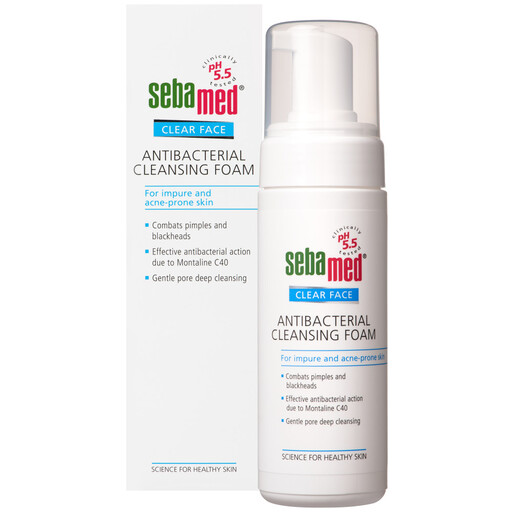
Why This Fits Their Persona: A practical foam texture for anyone looking for a simple morning and evening routine.
The product information mentions use in the morning and evening and advises avoiding contact with the eyes. Discontinue use if irritation occurs.
150 ml content; panthenol listed in the ingredients; used as a foam.

Why This Fits Their Persona: The gel texture suits a light daily Korean skincare routine.
The product description mentions daily use and rinsing with lukewarm water. Always check claims such as hypoallergenic on the packaging.
100 ml gel; glycerine and plum water in the ingredients list; tube packaging.
Browse a current selection of facial care products and compare formulas, sizes and usage scenarios before you order.
A make-up remover can be used before your regular cleanser. A micellar solution or wipe is especially practical when you’re on the go; with wipes, check the ingredients and follow the instructions for use.
For many adults, once in the evening is enough to remove sebum, sunscreen and make-up. In the morning, a quick cleanse with water or a mild face cleanser may suffice. If you have oily skin or exercise intensively, an extra cleanse can be pleasant, as long as your skin doesn’t feel tight.
Check the expiry date, batch information and any period-after-opening symbol on the packaging. Store the product in a cool, dry place away from direct sunlight, and close a tube or pump bottle properly. A change in smell, colour or texture could be a reason to stop using the product.
No. Price and gentleness are not the same thing. Compare the ingredients, size, texture and instructions for use. An affordable cleansing gel can suit your routine perfectly, while a more luxurious foam cleanser may still contain ingredients your skin doesn’t like.
