
Vandaag of morgen in huis

Kwaliteit gegarandeerd

Welkomstaanbiedingen ontgrendelen: GRATIS bezorging | Tot 80% korting | Gratis 30 dagen JoyPlus-proefperiode
Download de app
A facial cleanser should remove dirt, sebum, sun cream and make-up without leaving your skin feeling tight after washing. However, it can be difficult to see past product claims. Terms such as “deep cleansing”, “unclog pores” and “suitable for all skin types” mean little without information about the formula, how to use it and how well your skin tolerates it.
The right choice mainly depends on your skin type, daily routine and the type of dirt you want to remove. If you regularly wear make-up or waterproof sun cream, a facial cleansing oil or cleansing balm often works differently from a gel cleanser or foaming cleanser.
Lots of foam does not automatically mean that a facial cleanser cleans more thoroughly or more gently. A formula containing strong cleansing surfactants can leave your skin feeling tight or dry after use. That sensation is not a reliable indication that your skin is “extra clean”.
Check the full ingredients list and use the product according to the label. Ingredients such as glycerine, hyaluronic acid or betaine may be present in a formula, but they do not solely determine how your skin will react.
A cleanser can remove dirt, make-up residue and excess sebum from the surface of the skin. However, pores do not become permanently smaller by washing your face. Brands often associate products containing salicylic acid with blemish-prone skin, but that does not make a cosmetic cleanser a medicine.
According to the brand’s product description, the Salicylic Acid Daily Gentle Cleanser contains 0.5% salicylic acid and is intended for combination, oily or acne-prone skin. If you have sensitive skin, always check the warnings first and carry out a patch test.
A cleansing oil or cleansing balm is particularly useful for loosening make-up and oily products. A water-based gel cleanser or foaming cleanser is more suitable for the second cleansing step or a simple morning routine. Double cleansing is not necessary for everyone.
So choose according to how you plan to use the product:
A cleansing balm is solid or creamy and melts when it comes into contact with the skin. A cleansing oil is applied to dry skin and emulsified with water. A gel cleanser is usually used on damp skin and produces little or no foam. A foaming cleanser creates a distinct layer of foam.
The texture does not tell you everything about how a product works, but it does indicate where it fits into your routine. Also check the recommended amount and whether the product is suitable for use on the face.
Look at the ingredients list rather than just the front of the packaging. For example, look out for:
Claims such as “hypoallergenic”, “dermatologically tested” or “non-comedogenic” are product claims. They do not guarantee that every skin type will react in the same way. Based on a brand’s own research, for example, a product may appear suitable for sensitive skin, but your personal tolerance remains the deciding factor.
Do not compare the price alone; consider the amount of product too. A 200 or 240 ml pump bottle can be practical for daily use, while a 50 or 100 ml tube is useful for travelling or trying a product for the first time. Check the period after opening, batch number and instructions for use on the packaging.
Use lukewarm water, massage briefly and pat your face dry. Stop using the product if you experience stinging, itching, swelling or persistent redness. Consult a doctor or dermatologist if you have any concerns.
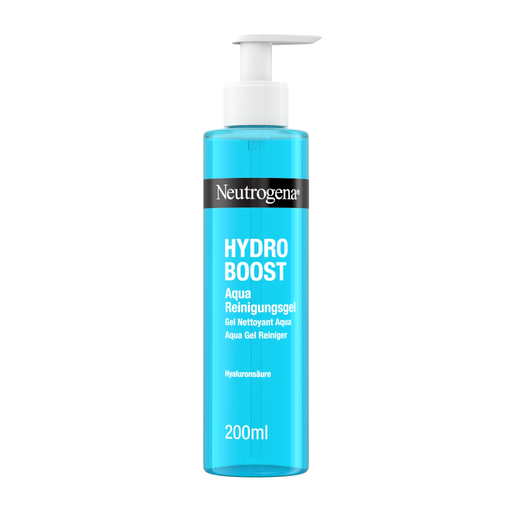
Why it suits this profile: The gel texture and 200 ml size are well suited to daily use without a complicated routine. According to the product description, the formula contains glycerine and hyaluronic acid.
The product information states that it has an oil-free formula and should be used on damp skin. Check the ingredients list if you are sensitive to fragrance or other ingredients.
200 ml; gel texture; suitable for removing dirt, make-up residue and excess sebum according to the product description.
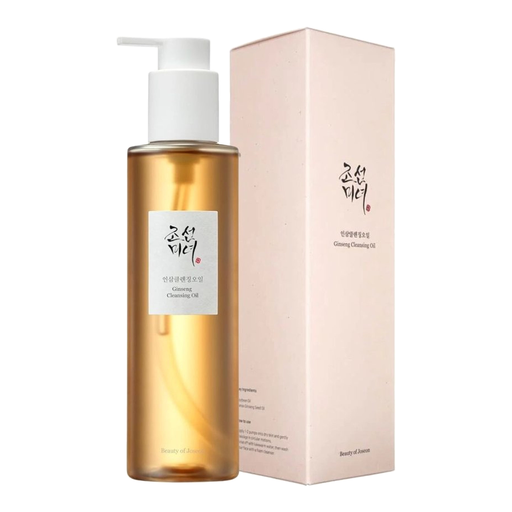
Why it suits this profile: This Korean skincare cleanser is an option for anyone who wants to loosen make-up and sun cream with an oil as the first cleansing step.
The instructions state that it should be applied to dry skin and rinsed off with lukewarm water. This helps you avoid scrubbing hard when removing make-up.
210 ml pump bottle; the ingredients list includes soya oil, olive oil and ginseng seed oil; designed for make-up, dirt and excess sebum.

Why it suits this profile: According to the product information, the formula is aimed at combination, oily and acne-prone skin. This makes it suitable for users who deliberately choose their face wash based on its ingredients.
The salicylic acid concentration is stated as 0.5%. Do not automatically use it more often when your skin is unsettled, and follow the warning to carry out a patch test first.
150 ml; salicylic acid, tea tree oil and willow bark water listed; suitable for use as a foaming facial cleanser.
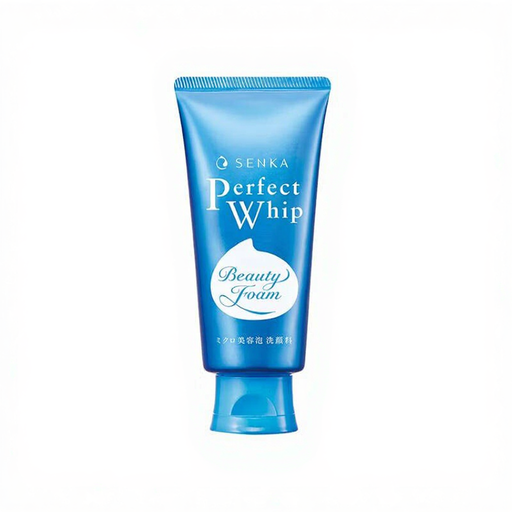
Why it suits this profile: This Japanese facial cleanser has a rich foaming texture and is ideal for anyone looking for a traditional foaming cleanser in their daily routine.
The product information states that a small amount should be lathered with water. This means you do not need to use much product; avoid hot water and massaging for too long.
120 g tube; rich foaming formula; the ingredients list includes hyaluronic acid and silk extract.
We have put together a complete, up-to-date list of products that fully meet these strict selection criteria and the applicable European safety regulations.
For many people, once a day is enough, for example in the evening. If you have oily skin or exercise intensely, a second cleanse may feel beneficial. Pay attention to any tightness: this may mean that the combination of product, amount, water and cleansing frequency is not right for you.
When double cleansing, you would usually apply a cleansing oil or cleansing balm to dry skin first. Follow this with a water-based gel cleanser or foaming cleanser. If you do not wear make-up or waterproof sun cream and do not have much sebum, one gentle cleanser may be sufficient.
Follow the use-by date and the period-after-opening symbol on the packaging. Keep the product sealed in a cool, dry place away from direct sunlight. If the smell, colour or texture changes noticeably, stop using it.
