
Vandaag of morgen in huis

Kwaliteit gegarandeerd

Welkomstaanbiedingen ontgrendelen: GRATIS bezorging | Tot 80% korting | Gratis 30 dagen JoyPlus-proefperiode
Download de app
A facial cleanser might seem like a simple product, but your choice can make a real difference to how comfortable your daily skincare routine feels. You want to remove sun cream, make-up, excess oil and dirt without leaving your skin feeling tight. At the same time, not every cleansing gel, foam or micellar water is suitable for daily use.
‘Deep cleansing’ doesn’t tell you much on its own. A product might create lots of foam or leave your skin feeling very fresh, but that doesn’t necessarily mean it’s a better match for your skin. A cleanser that’s too strong can feel uncomfortable, especially if your skin is dry or sensitive.
So, pay attention to the texture, directions for use and ingredients list. A gentle gel cleanser works differently from a cleansing foam or cleansing balm.
Micellar water and make-up remover are handy for removing make-up and surface dirt. According to product descriptions from brands including and Neutrogena, these formulas are designed to be applied with a cotton pad. That makes them useful when you’re out and about or as a first step, but always check the label to see whether you need to rinse afterwards.
A cleansing oil or cleansing balm may be more suitable for waterproof make-up and sun cream. These products are usually massaged into dry skin, then emulsified with water or rinsed off.
A Korean or Japanese facial cleanser could fit into your routine, but where a product comes from doesn’t automatically tell you whether its formula is right for your skin. Also look at:
A cleansing gel can be a practical everyday choice for normal or combination skin. Oily skin may benefit from a light gel or foam that removes excess oil, without leaving your skin feeling tight. For example, the product description for Low pH Good Morning Cleanser mentions a low pH and gel texture; whether it suits your skin is a personal matter.
If you have dry skin, consider a hydrating facial cleanser, cleansing oil or balm with a comfortable, non-drying texture. If your skin is sensitive, it’s worth taking your time to compare ingredients lists and testing the product on a small area of skin first.
Choose a texture based on what you want to remove each day:
Brands often describe a lower pH as a way to respect the skin’s natural balance. According to the brand’s own product information, several of its cleansers have a low-pH formula. Treat this as a product specification, not a guarantee of a particular result for your skin.
Also check for ingredients that are relevant to you. For example, Salicylic Acid Daily Gentle Cleanser lists 0.5% salicylic acid, tea tree oil and potential allergens in its ingredients list. If you have sensitive skin, it’s a good idea to check the packaging and stop using the product if irritation occurs. A facial cleanser is a cosmetic product, not a treatment for skin problems.
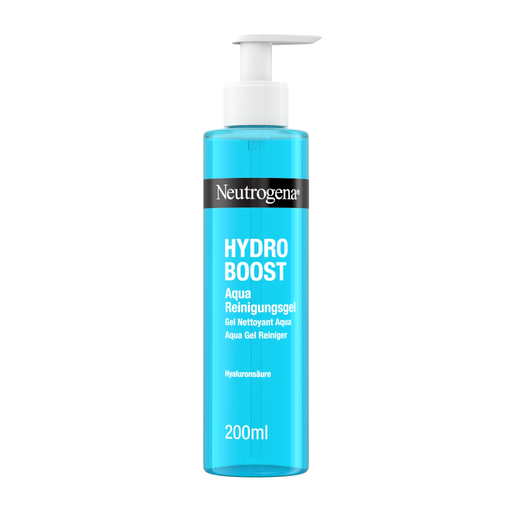
Why it suits this profile: A straightforward gel for anyone looking to start using a daily facial cleanser without getting into a complicated double-cleansing routine.
The product description says it’s an oil-free gel to be used on a damp face. Be sure to check the full ingredients list and how your skin responds to fragrance.
200 ml; gel texture; according to the product information, contains glycerine and hyaluronic acid.
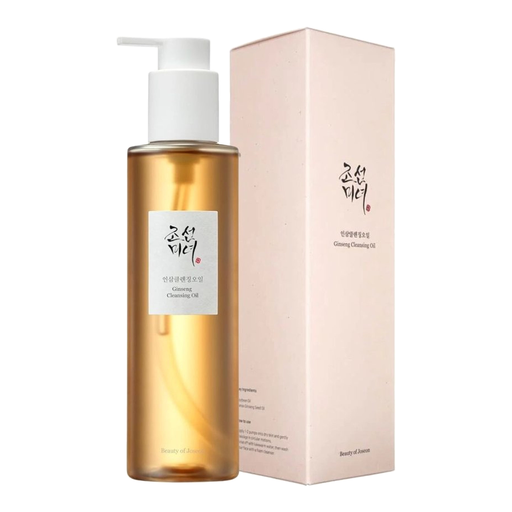
Why it suits this profile: A good fit for anyone looking to combine Korean skincare with a thorough first cleanse to remove make-up and sun cream.
The directions are clear: apply to dry skin, massage in and rinse off with lukewarm water. This helps you avoid using an oil like an ordinary face wash.
210 ml; pump bottle; soybean oil and ginseng seed oil are listed in the product information.
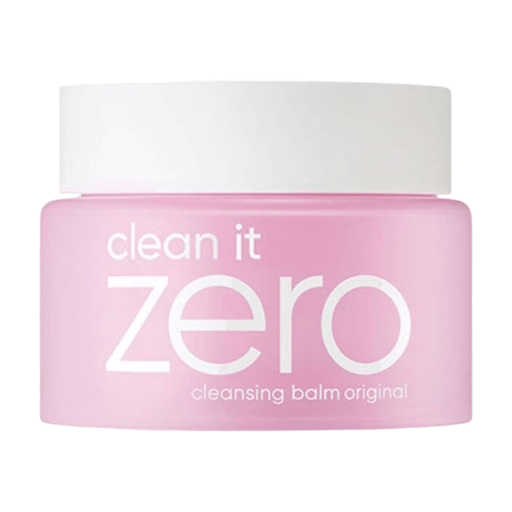
Why it suits this profile: A practical choice if you regularly wear waterproof make-up and prefer to use a separate first cleansing step.
According to the product description, massage the balm into dry skin first, then rinse off with warm water. Use the spatula provided and close the packaging securely.
100 ml; transforms into an oil-like texture according to the description; designed to remove make-up and excess oil.
We’ve put together a complete, up-to-date list of products that meet these strict selection criteria and current European safety regulations.
Use a gel, foam or facial cleanser with lukewarm water and massage it in without scrubbing hard. With a cleansing oil or balm, you’ll usually start on dry skin. If you double cleanse, follow with a water-based cleansing gel or foam. This is especially useful when you want to remove make-up, sun cream and an oil-based first cleanser.
Micellar water can be used as a quick make-up remover. Always follow the instructions on the packaging: some products say you don’t need to rinse, while with other formulas you may prefer to follow up with a second cleansing step.
It depends on your skin type, the product and your routine. Many cleansers are designed for use in the morning and evening, but dry or sensitive skin may benefit from cleansing less often. Follow the product directions and stop using it if irritation occurs.
A cleansing oil is designed to loosen oily residue such as make-up, excess oil and sun cream. Micellar water is usually applied with a cotton pad and is mainly used for a quick surface cleanse or as a make-up remover.
Check the expiry date and the open-jar symbol on the packaging. The period after opening can vary from product to product. Store the bottle or jar in a cool, dry place away from direct sunlight, and close it securely after use.
