
Vandaag of morgen in huis

Kwaliteit gegarandeerd

Welkomstaanbiedingen ontgrendelen: GRATIS bezorging | Tot 80% korting | Gratis 30 dagen JoyPlus-proefperiode
Download de app
A good facial cleansing routine doesn’t have to be complicated. Yet the choice is extensive: from cleansing oils and cleansing balms to micellar water, cleansing milk, cleansing foam and cleansing cream. The right option mainly depends on your skin type, your daily products and how you want to use the product.
Many consumers, however, pay for claims that are difficult to verify. This practical guide explains which features really matter and which products suit different usage scenarios.
Words such as “intensive”, “refreshing” or “radiant” reveal little about actual performance. Instead, check the product type, ingredients list, volume and directions for use. A cleansing foam may feel pleasantly lightweight, while a cleansing oil or balm may be better suited to removing makeup and SPF.
A tight feeling after washing does not automatically mean your skin has been cleansed more thoroughly. A strongly foaming cleanser, hot water or prolonged rubbing can feel uncomfortable, particularly on dry or sensitive skin. Look for hydrating ingredients such as glycerin, oils or hyaluronic acid, but also check whether the formula contains fragrance if your skin is sensitive to it.
A facial toner can be used after cleansing to remove any remaining residue or leave the skin feeling refreshed. It does not always replace a facial cleanser. An exfoliating lotion, such as a product labelled “Clarifying”, also requires extra attention to frequency of use and skin tolerance. Always follow the label instructions.
A cleansing oil or balm is generally applied to dry skin. Gently massaging the product helps dissolve makeup, sunscreen and excess sebum. Then add a little lukewarm water so the product emulsifies, and rinse thoroughly.
This type of cleanser is practical for removing waterproof makeup. If you prefer not to leave an oily residue behind, look for a formula that rinses away cleanly with water. A second, water-based cleanser can then be used as part of a double-cleansing routine, although this is not necessary for everyone every day.
Micellar water is convenient when you want to remove makeup or SPF quickly, for example after a long day at work or while travelling. According to NIVEA’s product description, Caring Micellar Water is intended for dry and sensitive skin and does not need to be rinsed off. Apply enough product to a cotton pad and avoid rubbing the eye area aggressively.
If you have sensitive skin, check whether the formula is fragrance-free. According to the manufacturer, NIVEA Caring Micellar Water is fragrance-free; check the current packaging when ordering.
Cleansing milk or cream generally feels softer and richer than foam. This can be particularly comfortable for dry skin or when you prefer a soothing product in the morning. NIVEA states that Soothing Cleansing Milk removes makeup and waterproof mascara. According to the listed ingredients, the formula includes argan oil, glycerin and sodium hyaluronate.
Cleansing foam is easy to dispense and rinses off quickly. According to the product information, NIVEA Essentials Soothing Cleansing Foam contains almond oil and Hydramine and is intended for dry and sensitive skin. The formula also contains fragrance. That is not necessarily a problem, but it is an important consideration for skin that reacts easily.
Skin type and formula
Check whether the product is intended for dry, sensitive, normal, combination or all skin types. Also look out for fragrance, essential oils and preservatives. “Natural” does not automatically mean that a product is suitable for everyone.
What should the product remove?
A mild cleanser may be sufficient for everyday dirt. For waterproof makeup, SPF or excess sebum, a cleansing oil, balm or makeup remover is often more practical. Check whether the manufacturer states this explicitly in the product description.
Volume, packaging and usage
Compare millilitres or the number of wipes, but also consider dosage. A pump bottle is quick and hygienic to use, while a balm requires dry, clean hands. Check the expiry and batch information on the packaging. If irritation occurs, stop using the product and rinse it off according to the instructions.
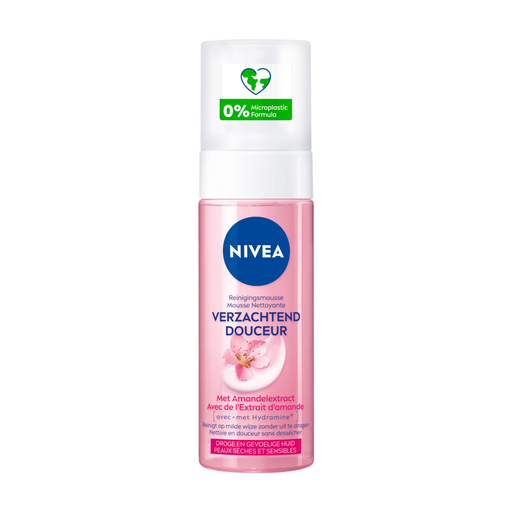
Why This Fits Their Persona: An easy-rinse cleansing foam for anyone looking for a straightforward daily facial cleanser without multiple steps.
The product page clearly states the 150 ml volume, daily use and suitability for dry and sensitive skin. The formula does contain fragrance, so consider your own skin tolerance.
Foam texture; almond oil and Hydramine are listed in the product description.
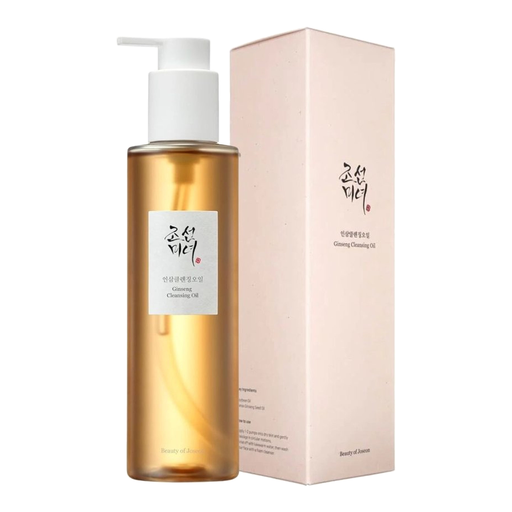
Why This Fits Their Persona: Ideal for anyone who wants to dissolve makeup, SPF and excess sebum with an oil, optionally followed by a second cleanser.
The directions specify applying the product to dry skin and rinsing with lukewarm water. This makes it clear how to use an oil-to-milk emulsion.
210 ml; pump bottle; ingredients list includes soybean oil and ginseng seed oil, among others.
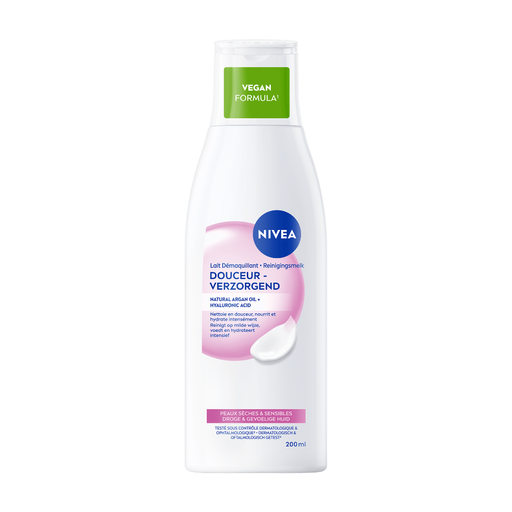
Why This Fits Their Persona: A natural choice for anyone who prefers a richer cleansing milk for dry skin and regularly wears makeup.
According to the brand description, this milk also removes waterproof mascara. Use gentle movements and check the ingredients if you prefer to avoid fragrance.
200 ml; argan oil and hyaluronic acid in the listed formula; suitable for dry and sensitive skin according to the product information.
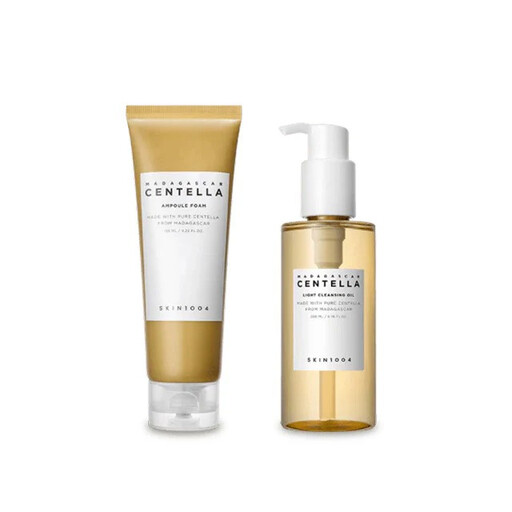
Why This Fits Their Persona: Convenient for anyone looking for a complete set with a cleansing oil followed by a foaming cleanser.
The set makes the two steps clear: oil on dry skin, followed by the ampoule foam. Use both steps only as often as feels comfortable.
Set with 200 ml cleansing oil and 125 ml ampoule foam; intended for normal, dry and sensitive skin according to the product information.
Browse a current selection of products and compare type, volume, skin concerns and directions for use before ordering.
Not necessarily. Double cleansing can be useful when wearing waterproof makeup or SPF, or after using an oil-based first cleansing step. On makeup-free days, one suitable cleanser may be sufficient.
Cleansing milk, cleansing cream or a mild cleansing oil often feels more comfortable than a strongly foaming formula. However, check the complete ingredients list and do not choose a product solely because it claims to be “hydrating”.
This depends on the volume, dosage and frequency of use. A 200 ml bottle will generally last longer with daily use than a 50 ml container, but the exact lifespan varies from person to person. After opening, check the information on the packaging and store the product according to the stated conditions.
