
Vandaag of morgen in huis

Kwaliteit gegarandeerd

Welkomstaanbiedingen ontgrendelen: GRATIS bezorging | Tot 80% korting | Gratis 30 dagen JoyPlus-proefperiode
Download de app
A facial cleanser might seem like a straightforward product, but the differences in formula, texture and usage are significant. A cleanser can remove make-up, SPF, sebum and dirt, but the wrong choice can also leave your skin feeling tight or irritated. That doesn’t automatically mean the product is “too strong”: massaging for too long, using water that’s too hot, or double cleansing without reason can also leave your skin feeling uncomfortable.
For daily use in the UK, there are three main pitfalls to watch out for:
The texture determines how you use the product and what it’s best for:
If you wear make-up or water-resistant SPF daily, a double cleanse may be suitable: first a cleansing balm or cleansing oil, then possibly a gentle gel or foam. Don’t automatically use two cleansers if you only want to remove light impurities.
A low pH facial cleanser is often chosen because the formula is less alkaline. However, the pH value alone doesn’t determine whether a product suits everyone. Also look at the cleansing agents used, such as cocamidopropyl betaine, amino acid-based cleansers or other mild surfactants.
For sensitive skin, it’s wise to check the ingredients list for:
A mild facial cleanser should be pleasant to use without needing to scrub hard. According to the product information, the Dear, Klairs Gentle Black Facial Cleanser is a slightly acidic cream cleanser with glycerine and ceramide NP. The manufacturer states that the product is suitable for sensitive skin and has passed tests for eye irritation and the removal of fine particles. Always check the current packaging and ingredients list yourself.
A cheap tube isn’t always better value. Compare the volume with the amount you use each time. The products in this overview, for example, range from a mini pack of 50 ml to a pack of 210 ml.
Also pay attention to the packaging:
The term facial cleanser for all skin types mainly means the brand is targeting a broad audience. Your own skin’s reaction and the ingredients list remain more important than that general label.

Why this suits the profile: The gel texture is easy to dispense and suitable for daily cleansing without a complicated routine.
The product information states a fragrance-free and essential-oil-free formula. Do check the current ingredients list when purchasing.
Gel texture, 100 ml volume, with glycerine and green plum extract according to the product description.
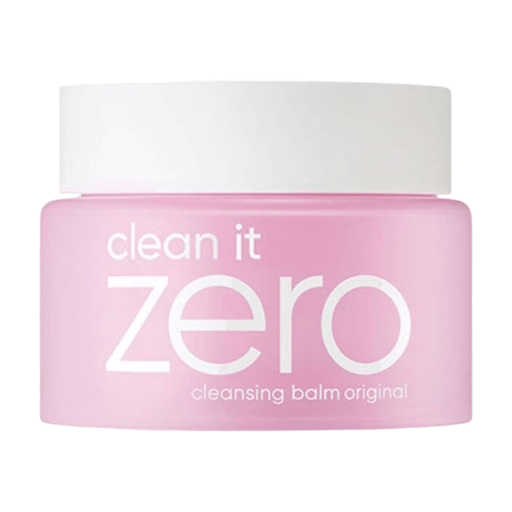
Why this suits the profile: This cleansing balm fits an evening routine with make-up, waterproof products or lots of SPF.
According to the product description, the balm turns into an oily emulsion with water, so hard scrubbing shouldn’t be necessary.
100 ml volume; designed to remove make-up, excess oil and daily grime.
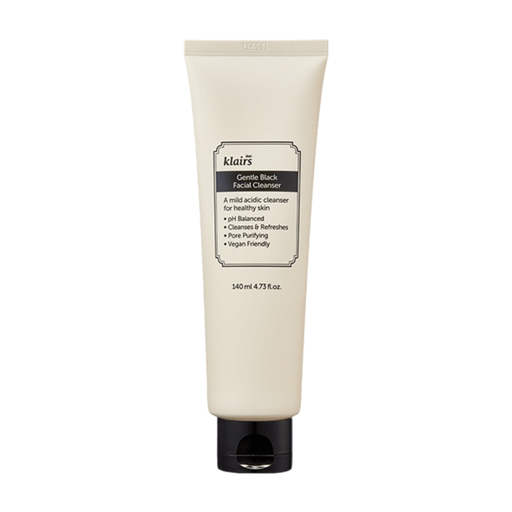
Why this suits the profile: The creamy texture and slightly acidic positioning suit those looking for a gentler cleanse.
The product description mentions a slightly acidic formula and cleansing without a tight feeling. If you have known allergies, you’ll still need to check the ingredients.
140 ml volume; according to the ingredients list it contains glycerine, beta-glucan, ceramide NP and hydrolysed hyaluronic acid.
A facial cleanser for acne-prone skin may contain ingredients such as salicylic acid or other exfoliating agents. According to SOME BY MI’s own information, some of their products contain AHA, BHA, PHA, salicylic acid and cica. These are product claims and not a guarantee of a specific skin result. Combine exfoliating products with care and avoid layering if your skin reacts sensitively.
We’ve put together a full, up-to-date list of products that fully meet these strict selection criteria and comply with current European safety regulations.
For many people, one cleanse in the evening is enough to remove SPF, make-up, sebum and dirt. In the morning, water or a mild facial cleanser may be suitable, depending on your skin and your night-time skincare routine. If your skin feels tight, use less product or choose a gentler formula.
Check the expiry date, batch information and the symbol showing how long to use it after opening on the packaging. A pump bottle or tube generally stays cleaner than a pot you keep dipping your fingers into. Store the product in a cool, dry place away from direct sunlight, as the product information for several of the cleansers mentioned advises.
No. First look at volume, ingredients, texture and purpose. A simple cleansing gel can be enough for daily use, while a cleansing balm or cleansing oil offers more value if you regularly wear make-up or water-resistant SPF. The price only becomes meaningful once you’ve compared these features.
