
Vandaag of morgen in huis

Kwaliteit gegarandeerd

Welkomstaanbiedingen ontgrendelen: GRATIS bezorging | Tot 80% korting | Gratis 30 dagen JoyPlus-proefperiode
Download de app
A facial cleanser seems simple: apply, rinse and you’re done. Yet the wrong cleanser can leave your skin feeling tight, looking shiny soon after washing or leave you with a product that goes unused in the bathroom. Terms such as “pore cleansing”, “hydrating” and “mild exfoliation” sound appealing, but they do not always explain how a formula fits into your daily routine.
As a Joybuy Product Recommendation Officer, I assess product information based on practical details: skin type, texture, volume, ingredients, directions for use and safety information. This makes it easier to compare a Korean facial cleanser, Japanese facial cleanser or other facial cleanser.
A facial cleansing foam can feel pleasant to use, but lots of lather does not automatically mean that a product cleanses better. A formula can also be too stripping for dry or sensitive skin. Pay attention to how your skin feels after rinsing. Clean skin should not feel tight, irritated or dry for a prolonged period.
A product description stating “suitable for all skin types” may sound convenient, but your skin’s individual needs are more important. Oily or blemish-prone skin often benefits from a lightweight gel or cleanser that removes excess sebum. Dry skin usually benefits more from a milky or hydrating facial cleanser. For sensitive skin, a short ingredients list and introducing the product gradually are sensible choices.
AHAs, tea tree oil, clay and other active ingredients can be useful in a skincare routine. However, they are not a reason to cleanse more frequently or for longer. According to the product descriptions of some brands, these ingredients may support exfoliation, pore cleansing or sebum regulation; these are brand claims, not guaranteed results for every user. Stop using the product if irritation occurs and always follow the label.
Start by considering your goal:
A gel, lotion, cream and foam each offer a different experience. A foaming cleanser is convenient if you want to cleanse quickly. A lotion-to-foam formula may be appealing if you prefer a softer starting texture. Cleansing milk is often used on dry skin and may be suitable for dry or dehydrated skin types.
Also compare the volume. Many tubes contain between 120 and 150 ml, while some versions offer 180 to 200 ml. A larger pack is only better value if you like the texture and use the product regularly. Also check the expiry information and batch number on the packaging.
Do not just read the front of the packaging. Check the full ingredients list and the instructions. Look out for:
Use lukewarm water and massage without applying pressure. Vigorous rubbing does not automatically make a pore cleanser more effective.
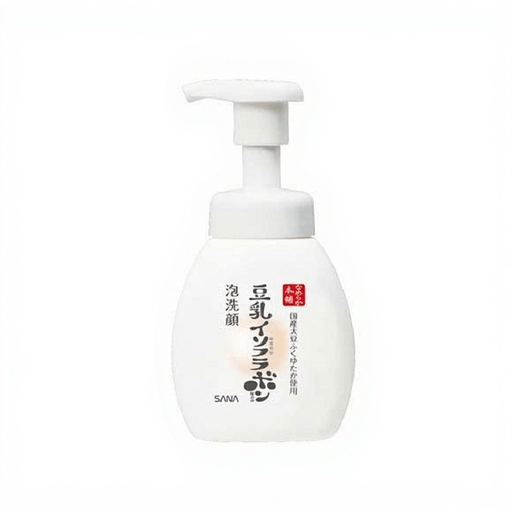
Why it suits this profile: The 200 ml volume makes this cleansing foam practical for everyday use. This product version is designed to provide rich, hydrating cleansing and is suitable for shoppers looking for a simple foam cleanser.
The product information clearly states the type, version and volume. This means you can compare your purchase based on practical features rather than general marketing terms alone.
200 ml volume; foaming cleansing; Japanese product choice for an everyday routine.
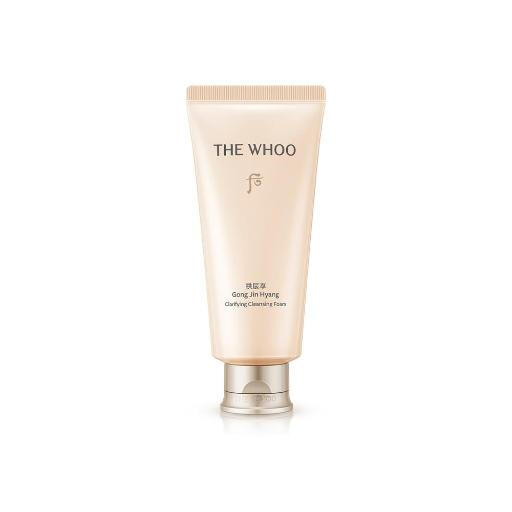
Why it suits this profile: This Korean facial cleanser has a foam texture and a volume of 180 ml. The product description lists ginseng extract, liquorice extract, pearl powder and mild surfactants.
The description includes usage, volume and ingredients. Claims about purifying or moisture balance come from the brand’s product information and should not be interpreted as guaranteed results.
180 ml volume; clear usage instructions of 30–60 seconds; foam formula containing the listed plant extracts.
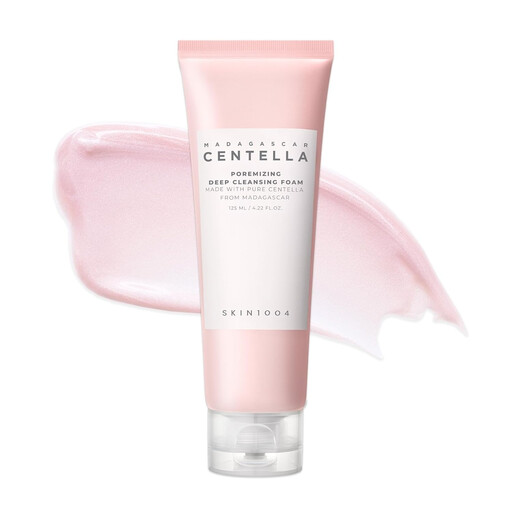
Why it suits this profile: This Korean facial cleanser is intended for users looking for a rich lather and who are concerned about excess sebum, make-up residue and pore cleansing.
The formula lists Himalayan Pink Salt, kaolin and centella asiatica. This makes the product’s intended focus clear without suggesting that blocked pores will disappear for everyone.
125 ml volume; pink salt and kaolin listed in the product description; instructions for use on wet hands with lukewarm water.
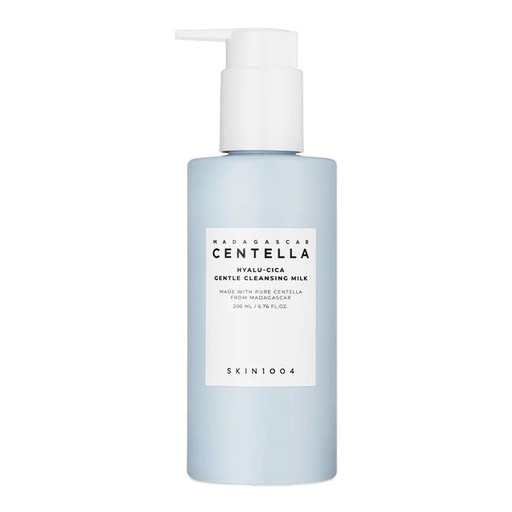
Why it suits this profile: According to the product information, the milky texture is used on dry hands and a dry face. This suits anyone who wants to loosen make-up and impurities without using a foaming formula.
The instructions explain exactly when to use the cleansing milk and mention using a second cleanser with heavy make-up. This makes expectations around make-up removal clear.
200 ml volume; milk texture; ingredients list including glycerine, panthenol, centella asiatica and ceramide NP.
We have put together a complete, up-to-date list of products that fully meet these strict selection criteria and the applicable European safety regulations.
A low pH cleanser such as Low pH Good Morning Gel Cleanser is listed in the product information as having a low pH formula. The exact experience depends on your skin and the rest of your routine. If a product contains AHA, tea tree or fragrance, introduce it gradually and take extra care.
For many adults, cleansing once in the evening is enough to remove dirt, sebum and sun cream residue. In the morning, water or a mild cleanser may be sufficient. Cleansing twice a day can feel comfortable for oily skin, but a tight feeling is a sign that you should reassess the frequency or formula.
This varies depending on the formula and type of make-up. Cleansing milk may loosen light make-up, while waterproof mascara or long-wearing foundation often requires a separate make-up remover followed by a cleanser. Always check the product’s instructions for use.
Follow the expiry date, batch information and any period-after-opening guidance on the packaging. Keep the tube or bottle tightly closed, in a cool place and out of direct sunlight. Has the smell, colour or texture changed? It is best not to use the product, even if the expiry date has not yet passed.
