
Vandaag of morgen in huis

Kwaliteit gegarandeerd

Welkomstaanbiedingen ontgrendelen: GRATIS bezorging | Tot 80% korting | Gratis 30 dagen JoyPlus-proefperiode
Download de app
A facial cleanser might seem like a straightforward product, but the wrong choice can quickly leave your skin feeling tight, your T-zone looking shiny, or your complexion feeling irritated. Terms like “deep pore cleansing”, “extra hydrating” and “suitable for all skin types” sound appealing, but they don’t always tell you enough about the formula.
The real question, then, isn’t which product promises the most, but which combination of cleansing power, ingredients and ease of use suits your skin and your routine.
A thick facial cleansing foam feels clean, but a lot of lather doesn’t automatically mean the formula is better for your skin. Cleansers with fragrance, alcohol or certain harsh cleansing agents can be less comfortable for some users, especially if you have dry or sensitive skin.
So, pay attention to the full ingredients list, not just the texture. A facial cleansing gel can be just as suitable for daily use, while a foam formula is mainly appealing if you enjoy a light, fresh feeling.
Products containing salicylic acid, AHA, BHA or PHA are often linked to a clearer-looking complexion and refined pores. According to the brand’s product description, these ingredients can help remove excess sebum and dead skin cells. That’s no guarantee of a specific skin result.
A salicylic acid facial cleanser can be interesting for oily or acne-prone skin, but daily use may cause dryness or irritation for some people. Start gently, avoid the eye area, and stop if you have an unpleasant reaction.
A product may be labelled as suitable for all skin types, but your skin can still react differently to fragrance, essential oils, exfoliating ingredients or a strong degreasing base. Always check the warnings, the recommended frequency of use, and the expiry information on the packaging.
Choose the texture based on your preference and how your skin feels:
The Beauty of Joseon Green Plum Refreshing Cleanser, for example, is a 100 ml gel cleanser. According to the product information, the formula includes glycerin, plum water and mung bean sprout extract. The product page also states that it is fragrance-free and free from essential oils. Always check the current packaging, as ingredients can change.
For gentle facial cleansing, look for glycerin, betaine, hyaluronic acid, ceramides or mild surfactants. These ingredients determine not only how the skin is cleansed, but also how comfortable it feels after rinsing.
If you have sensitive skin, it’s wise to test new products on a small area first. The Dear, Klairs Gentle Black Facial Cleanser contains, according to the product information, glycerin, amino acid-based cleansers, beta-glucan, ceramide NP and hydrolysed hyaluronic acid. The description mentions a mildly acidic formula, but this doesn’t mean every user will have the same experience.
For oily or acne-prone skin, you could look at salicylic acid. The Salicylic Acid Daily Gentle Cleanser (150 ml) states 0.5% salicylic acid and, according to the ingredients list, also contains tea tree oil and willow bark water. This combination may suit a cleansing routine for oilier skin, but test your tolerance carefully.
A daily facial cleanser is usually used once or twice a day. Gently massage the product into damp skin and rinse thoroughly with lukewarm water. Rubbing hard or massaging for a long time won’t make your skin any cleaner.
Also pay attention to:
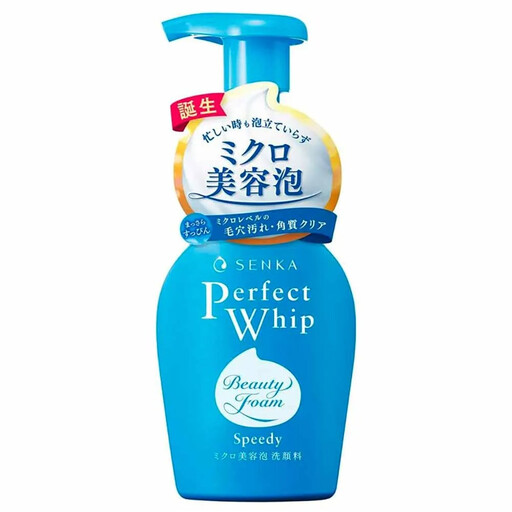
Why this fits the profile: The 150 ml size and foaming texture suit anyone looking for a simple Japanese facial cleanser for daily use.
The ingredients list is available, so you can check for fragrance, alcohol and sodium metabisulfite if you are sensitive to them.
150 ml, rich foaming texture and ingredients such as glycerin and sodium hyaluronate according to the product information.

Why this fits the profile: The light gel texture and stated fragrance-free formula appeal to users who want to carefully weigh up ingredients and skin comfort.
The product information specifies the gel form, volume and ingredients, rather than just making general claims about a fresh complexion.
100 ml, gel texture, glycerin and plum water according to the product description; the listing also states no essential oils.

Why this fits the profile: Anyone specifically looking for a facial cleanser for oily or acne-prone skin can compare the stated 0.5% salicylic acid with the other ingredients.
The concentration of salicylic acid is stated. This allows you to make a more informed decision about frequency and to carry out a patch test.
150 ml, 0.5% salicylic acid and glycerin according to the product information; intended for combination, oily and acne-prone skin types.
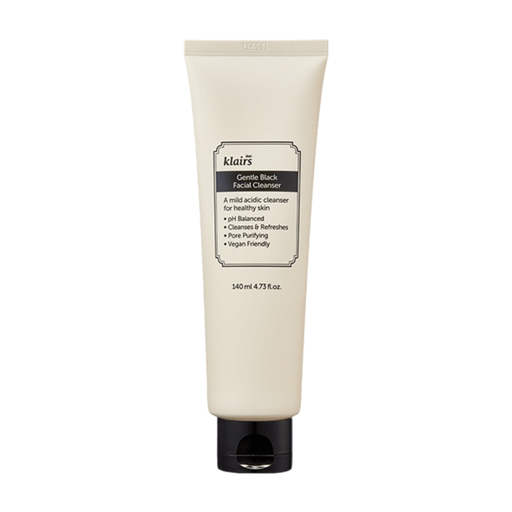
Why this fits the profile: This Korean facial cleanser has a creamy foam texture and an ingredients list that includes ceramide NP and beta-glucan.
The product description mentions a mild, mildly acidic formula and gives a clear warning to stop if irritation occurs.
140 ml, sodium cocoyl glycinate and sodium lauroyl glutamate according to the ingredients list, plus a creamy foam texture.
We’ve put together a full, up-to-date list of products that fully meet these strict selection criteria and comply with current European safety regulations.
For many routines, once in the evening is enough to remove dirt, sebum and product residue. In the morning, you can use a gentle facial cleanser if it feels comfortable. If you have dry or sensitive skin, cleansing too often can be uncomfortable.
Neither texture is automatically more suitable. Look instead at fragrance, essential oils, exfoliating ingredients and the cleansing base. A gel like the Beauty of Joseon formula can feel light, while a creamy foam like Dear, Klairs may offer more comfort. Always test a new product on a small area first.
That depends on the volume and the amount you use each time. A bottle or tube of 120 to 150 ml will generally last longer with daily use than a 50 ml mini. Check the packaging after opening and store your facial cleanser in a cool, dry place, tightly sealed.
