
Vandaag of morgen in huis

Kwaliteit gegarandeerd

Welkomstaanbiedingen ontgrendelen: GRATIS bezorging | Tot 80% korting | Gratis 30 dagen JoyPlus-proefperiode
Download de app
A facial cleanser should remove dirt, sebum, SPF and make-up without leaving your skin feeling tight after washing. Yet it’s not always easy to make the right choice. A foaming facial cleanser can feel pleasantly light, while a facial cleansing gel often gives a fresher sensation. A cleansing oil or cleansing balm works differently on make-up and sunscreen.
The product name alone doesn’t tell you everything. Pay close attention to the formula, how to use it, and whether it suits your skin type.
A strongly foaming cleanser can feel extra clean to some people. That feeling doesn’t automatically mean your skin is better cleansed. A product with lots of foam, fragrance, or a formula that leaves a tight sensation after rinsing may be less comfortable for dry or sensitive skin.
Instead, look at the intended use and the ingredients. Glycerine and other humectants can help keep your skin feeling comfortable. For a facial cleanser for sensitive skin, it’s also wise to check for fragrance, essential oils and known allergens.
Words like “pore cleansing”, “hydrating” or “suitable for all skin types” are no substitute for concrete information. Check the size, texture, ingredients list and any warnings. According to a brand’s own research, certain ingredients may support a particular effect, but such claims aren’t automatically the same for every user.
What’s more, a cleanser is rinsed off. So don’t expect the same effect as a leave-on product, such as a serum or exfoliant.
Make-up and SPF may require a different approach than sweat and sebum after a normal day. A gel or foam is handy for daily cleansing, but a cleansing oil or cleansing balm may be more suitable for breaking down oily products first.
With double cleansing, you first use an oil or balm and then, if needed, a gentle facial cleanser. This isn’t always necessary. If you don’t wear make-up or water-resistant SPF, one suitable cleanser is often enough.
The main types are:
Always check whether the product should be applied to a dry or damp face. A cleansing oil generally works differently from a gel cleanser.
For a gentle facial cleanser, look for mild cleansing agents, glycerine and a non-drying formula. A low pH can be pleasant for some users, but also check the full ingredients list.
For a facial cleanser for oily skin, ingredients like salicylic acid can be of interest. The Salicylic Acid Daily Gentle Cleanser contains 0.5% salicylic acid according to the product description. If you choose this product, be aware of possible sensitivity to salicylic acid, tea tree oil and citrus peel oil.
A cleanser for blemishes is not a medical treatment. Stop if irritation occurs and follow the warnings on the packaging. For persistent skin problems, it’s wiser to seek advice from a doctor or dermatologist than to keep trying stronger products.
Compare the size with how often you use the product. A pump bottle of 210 or 240 ml can be practical for daily use, while a tube of 50 or 100 ml is handy for trying out first or for travel.
Also look out for:

Why this fits the profile: This Korean facial cleanser has a gel texture, contains 100 ml and is intended for all skin types, including dry and sensitive skin, according to the product information.
The product description mentions a light gel, a hypoallergenic formula and no fragrance or essential oil. Always check the actual label upon receipt.
Gel texture, 100 ml size, vegan according to the product information and suitable for daily use on a damp face.
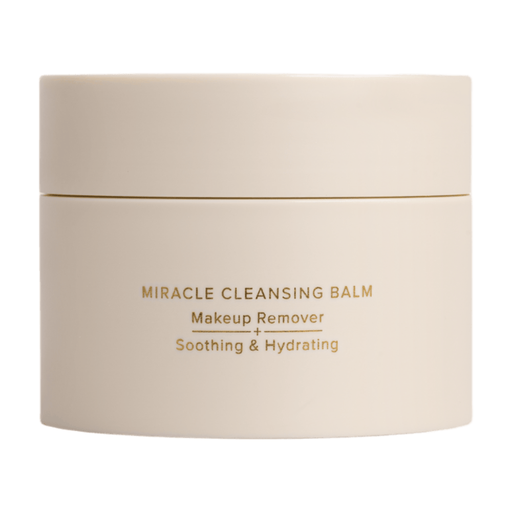
Why this fits the profile: The balm is designed to remove make-up, SPF, impurities and excess oil. That suits a thorough evening routine.
According to the product description, the texture turns into a milky emulsion on contact with water. This makes the usage method clearer than with a balm that is difficult to rinse off.
100 ml size; contains ingredients including sunflower, jojoba and shea butter-related components, according to the product description.
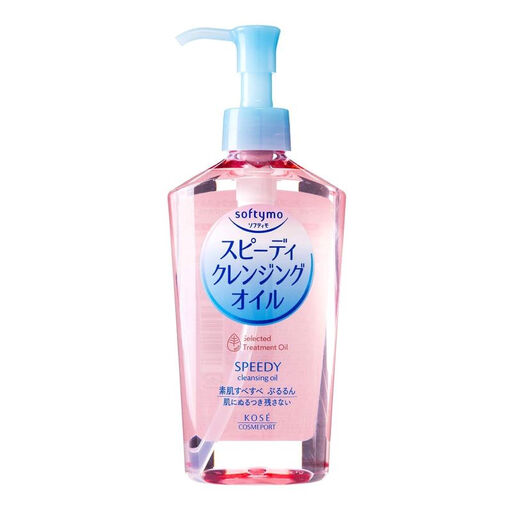
Why this fits the profile: This Japanese facial cleanser is a cleansing oil of 240 ml with a pump bottle. That’s practical for users who regularly remove make-up or SPF.
The product information clearly states two to three pumps on a dry face and rinsing with lukewarm water. Do not use on damaged or severely irritated skin.
240 ml size, pump packaging and designed to dissolve make-up and impurities before rinsing.
We’ve put together a full, up-to-date list of products that fully meet these strict selection criteria and comply with current European safety regulations.
For a cleansing oil or cleansing balm, start with dry hands and a dry face, unless the packaging says otherwise. Then add water to emulsify the product.
Choose a gentle facial cleanser with a short, clear ingredients list and check for fragrance, essential oils and any substances you’ve reacted to before. “Hypoallergenic” is a product claim, not a guarantee that everyone will tolerate it. If in doubt, test a small amount first.
Not always. A cleansing oil or cleansing balm is especially practical for waterproof make-up, SPF or an oily formula. Afterwards, you can use a gel or foam if your skin still feels like it has a residue. Without make-up and water-resistant SPF, one cleanser may be enough.
Many people cleanse in the evening to remove SPF, make-up, dirt and sebum. In the morning, a gentle facial cleanser can be nice, but for dry or sensitive skin, lukewarm water may sometimes be more comfortable. Adjust the frequency to how your skin feels and the product’s instructions.
