
Vandaag of morgen in huis

Kwaliteit gegarandeerd

Welkomstaanbiedingen ontgrendelen: GRATIS bezorging | Tot 80% korting | Gratis 30 dagen JoyPlus-proefperiode
Download de app
A facial cleanser might seem like a simple product, but the difference between a comfortable cleanse and a tight, drawn feeling often comes down to the formula, how you use it, and your skin type. A cleanser that removes excess sebum can feel too harsh on dry or sensitive skin. Conversely, a very mild cleansing gel may not be enough for oily skin after sun exposure, make-up, or a long day outdoors.
As a Joybuy Product Recommendation Officer, I filter product information based on practical points. Not flashy marketing terms, but texture, ingredients, usage instructions, and volume. This way, you avoid paying for a product that doesn't suit your daily facial cleansing routine.
A tight sensation after washing doesn't automatically mean all impurities have been better removed. It can also indicate a formula that is too degreasing for your skin. So, pay attention to how your skin feels a few minutes after cleansing, not just the lather during washing.
A mild facial cleanser with glycerine, betaine, or other moisture-binding ingredients can be more comfortable for dry, normal, or sensitive skin. Always check the full ingredients list and the warnings on the packaging.
A low pH cleanser is formulated to be more acidic. This can feel pleasant for some users within a simple routine, but the pH value doesn't tell the whole story. Fragrances, essential oils, cleansing agents, and exfoliating ingredients also determine how a product feels.
For sensitive skin, "low pH" is therefore not a reason to skip a patch test. According to the product information from, the Low pH Good Morning Gel Cleanser contains tea tree oil, among other ingredients; this could be a point of consideration for some users.
A make-up remover and a daily facial cleanser don't always have the same job. Waterproof make-up, sunscreen, and sebum often dissolve more easily with a cleansing oil or cleansing balm. Afterwards, you can optionally use a gel or foam.
Double cleansing isn't mandatory. If you wear little make-up, one suitable cleanser can be enough. Massaging too often or for too long can actually become uncomfortable.
For cleaning pores and removing excess sebum, you'll often see salicylic acid or BHA in product information. The Salicylic Acid Daily Gentle Cleanser contains 0.5% salicylic acid according to the ingredients list. That's a verifiable product specification, but not a guarantee of a particular skin result.
The BHA Blackhead Power Liquid is not a facial cleanser, but a product you use after cleansing. Therefore, don't use it as a replacement for a cleanser. When using acids, it's wise to build up slowly. Stop if irritation occurs and follow the instructions on the packaging.
For dry or sensitive skin, moisture-binding ingredients like glycerine and hyaluronic acid can be of interest. Bear in mind that perfume, alcohol, essential oils, and certain plant extracts can also be relevant to your personal tolerance.
Compare the volume in millilitres or grams before comparing prices side-by-side. A mini size is handy for travel or trying out a texture, but is usually less economical for daily use.
Also check:
A facial cleanser is a cosmetic product, not a treatment for a skin condition. For persistent or severe skin concerns, it's best to consult a doctor or dermatologist.
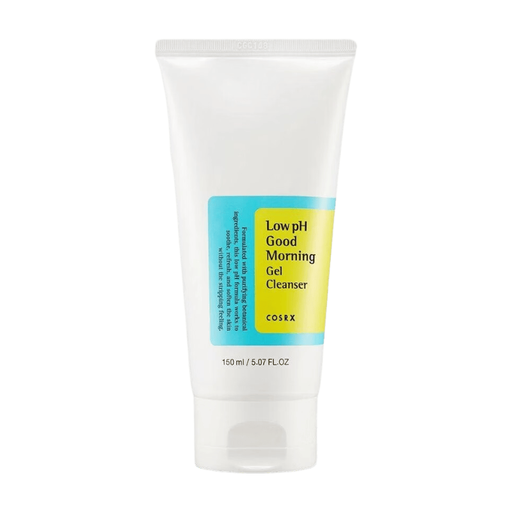
Why this fits the profile: The gel texture and 150 ml volume make this a straightforward choice for anyone wanting to start with a daily Korean skincare cleanser.
The product information mentions a low-pH formula and use after wetting the face and hands. This makes it clear how to apply the cleanser, without using it as a make-up remover for heavy make-up.
Gel texture, 150 ml volume, and ingredients such as betaine salicylate and tea tree oil according to the product list.
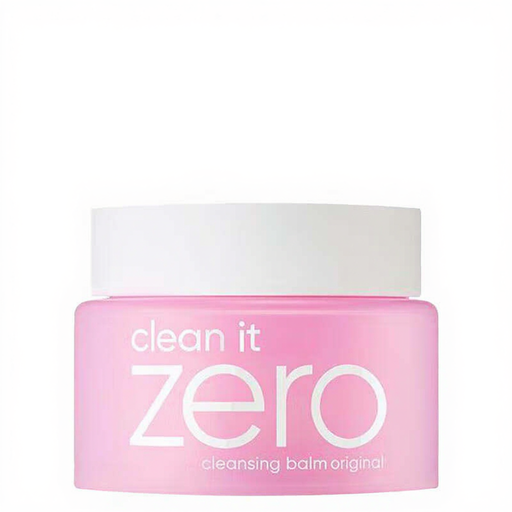
Why this fits the profile: A cleansing balm suits users who regularly wear make-up or sunscreen and are looking for an oily first cleansing step.
The instructions specify applying to a dry face, emulsifying with water, and rinsing thoroughly. This prevents you from using the balm like a regular foaming cleanser.
100 ml cleansing balm; according to the product description, intended to dissolve make-up and impurities.

Why this fits the profile: This cleansing foam is aimed at users who are mindful of excess oil and want to compare a product with a specific named active ingredient.
The 0.5% salicylic acid concentration is stated in the product information. This makes comparison easier, but a patch test and stopping if irritation occurs remain important.
150 ml volume; contains salicylic acid, tea tree oil, and willow bark water according to the ingredients list.
We've put together a full, up-to-date list of products that fully meet these strict selection criteria and comply with current European safety regulations.
For oily or combination skin, a gel or foam can feel nice. For dry skin, an oil, balm, or mild cream-type cleanser may be a better fit. Choose a facial cleanser for sensitive skin primarily based on the full formula and your personal tolerance, not just the label.
For many adults, cleansing in the evening is sufficient. In the morning, water or a mild cleanser may be enough, depending on sebum, sweat, and the products you use overnight. If irritation occurs, follow a simpler routine.
A cleanser with salicylic acid can be positioned for oily or blemished skin according to the product's positioning, but the short contact time with the skin doesn't solely determine the result. Use the product according to the packaging and don't just combine multiple exfoliating products.
That depends on the volume, dosage, and frequency of use. A 150 ml bottle usually lasts longer with daily use than a mini size, but always check the shelf life information and the symbol for the period after opening on the packaging.
