
Vandaag of morgen in huis

Kwaliteit gegarandeerd

Welkomstaanbiedingen ontgrendelen: GRATIS bezorging | Tot 80% korting | Gratis 30 dagen JoyPlus-proefperiode
Download de app
A facial cleanser seems simple enough: apply, rinse, and you’re done. Yet many people buy a product that no longer feels comfortable after a few weeks. A formula that’s too strong can leave your skin feeling tight, while a face wash that’s too gentle may leave behind traces of sunscreen, make-up or sebum.
With Korean and Japanese skincare in particular, terms like “deep cleansing”, “pore care” and “glow” stand out. Those words don’t always tell you enough about the formula. So look instead at your skin type, the surfactants, the acidity level and any potential fragrances. Below, you’ll find out what to look for and which facial cleansers suit different situations.
A foaming cleanser or cleansing foam can feel nice, but lots of foam doesn’t automatically mean the product is suitable for sensitive skin. The cleansing power depends on the surfactants used, the formula, and how long you leave the product on.
Wash your face briefly with lukewarm water and massage without scrubbing hard. If a clean feeling immediately turns into dryness or a tight sensation, that’s a sign to reassess the formula.
Centella, tea tree, niacinamide and salicylic acid often appear in Korean facial cleansers. That doesn’t automatically make a product right for everyone. A cleanser is rinsed off, so it has a different usage profile to a serum that stays on the skin.
Always check the full ingredients list. Fragrances, essential oils and acids may be less suitable for some users. According to the product description, for example, the Salicylic Acid Daily Gentle Cleanser contains 0.5% salicylic acid, tea tree oil and citrus ingredients. That’s relevant information if you’re looking for a facial cleanser for acne or oily skin, but sensitive users would do well to start cautiously.
A pore cleanser can help remove dirt, sebum and product residue. However, pores won’t disappear with a face wash. Claims about a smoother or clearer appearance should be seen as product claims from the brand, not a guaranteed result for every user.
A low pH cleanser often has a slightly acidic formula, according to the product information. The Low-pH Good Morning Cleanser, for example, is described as a low-pH gel cleanser intended for daily morning and evening use. The Dr. Althea Green Relief Amino Gel Cleanser states a pH of 5.0–6.0.
A low pH is not an independent quality seal. Also look at the cleansing agents and how your skin feels after rinsing.
Glycerine, panthenol and betaine are often used to make the formula more comfortable. Centella asiatica, also known as cica, appears in several products below. According to the relevant product descriptions, Centella is used with a soothing or hydrating aim. That is a brand or product claim, not a medical effect.
If you want to remove make-up or water-resistant sunscreen, check whether a first cleansing step is needed. A regular gel cleanser is not always intended as a complete replacement for an oil or balm cleanser.
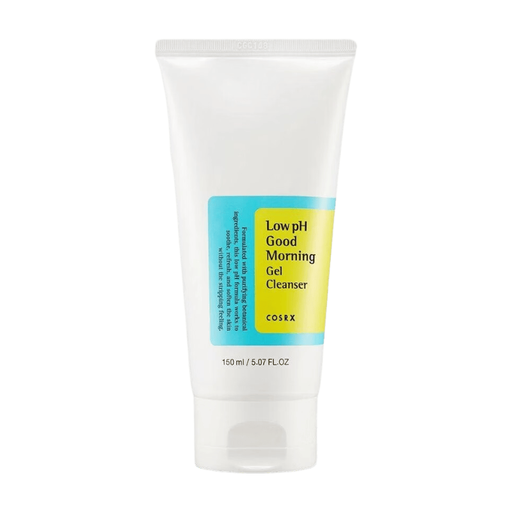
Why this fits the profile: The gel texture, 150 ml size and stated low pH make this a straightforward choice for anyone starting out with daily facial cleansing.
The product description mentions cleansing impurities and excess sebum without a tight feeling. Judge for yourself whether the formula remains comfortable.
150 ml, gel texture, low pH according to the product information and suitable for morning and evening use.
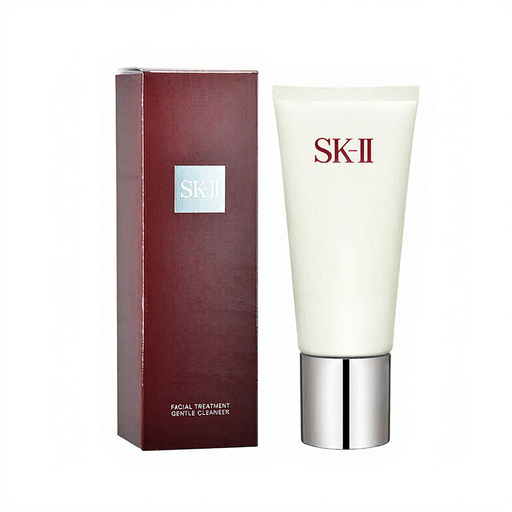
Why this fits the profile: According to the product description, this Japanese cleanser focuses on gentle cleansing of the face and neck with amino acids and glycerine.
The ingredients list is visible and mentions amino acids, glycerine and perfume. That helps you check in advance whether the formula suits your preferences.
120 g, amino-acid-oriented formula according to the product information and use for face and neck.
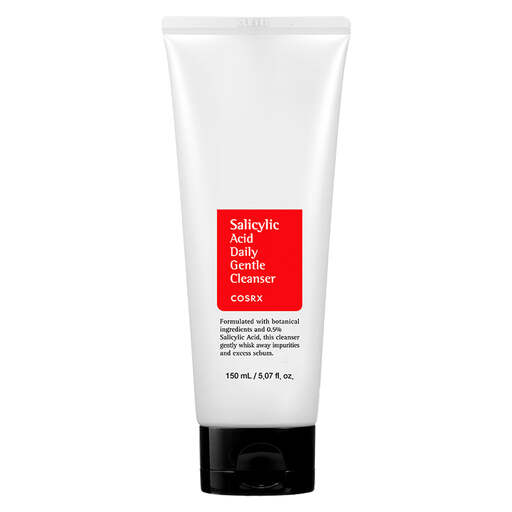
Why this fits the profile: According to the product description, this cleanser is aimed at combination, oily and acne-prone skin and contains 0.5% salicylic acid.
The concentration of salicylic acid is stated, so you don’t have to rely solely on the term “acne cleanser”. Test on a small area of skin first.
150 ml, 0.5% salicylic acid according to the product information and a formula with tea tree oil and willow bark water.
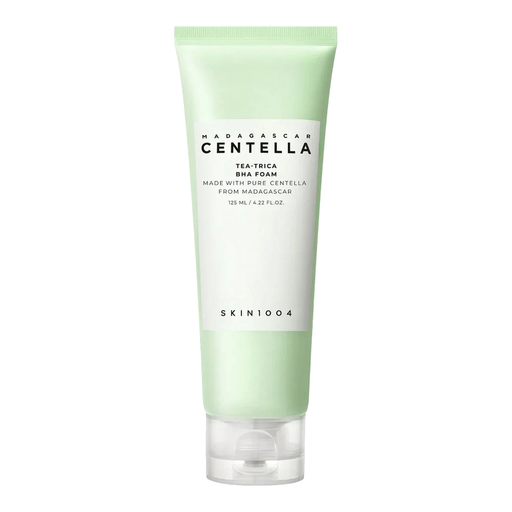
Why this fits the profile: The product information mentions 30% Centella asiatica extract, tea tree oil and a pH of 5.5. That aligns with users specifically looking for a Centella cleanser.
The stated pH and ingredients give you more to go on than general terms like “calming”. Tea tree oil may be less suitable for some users; check the list beforehand.
125 ml, 30% Centella according to the product description and a stated pH of 5.5.
We’ve put together a full, up-to-date list of products that fully meet these strict selection criteria and comply with current European safety regulations.
For stubborn make-up, a separate first cleansing step may be necessary. “No double cleansing needed” is a claim from a specific product description and not a general rule for every skin type or make-up type.
For many adults, once in the evening is a practical baseline. In the morning, a gentle facial cleanser or just water may be enough, depending on sebum, sweat and the rest of your routine. Follow the product’s usage instructions and adjust the frequency if your skin feels tight or irritated.
It can be. A gel cleanser is often chosen for its light texture and ability to remove excess sebum. Don’t just look at the texture, but also at the cleansing agents and any acids. A low pH cleanser could be an option, while a salicylic acid cleanser is mainly suitable for users who are deliberately looking for an exfoliating ingredient.
Check the expiry date, batch information and any period-after-opening symbol on the packaging. Close the packaging after use and store the product according to the label, usually in a dry place away from direct sunlight. Stop if you experience itching, redness or irritation, and avoid using it on damaged skin.
