
Vandaag of morgen in huis

Kwaliteit gegarandeerd

Welkomstaanbiedingen ontgrendelen: GRATIS bezorging | Tot 80% korting | Gratis 30 dagen JoyPlus-proefperiode
Download de app
A facial cleanser may seem like a straightforward product, but the range varies considerably. You’ll find micellar water, face wash, cleansing gel, cleansing foam, cleansing oil and cleansing balms. The right choice depends on your skin type, makeup use and the after-wash feel you prefer.
Many consumers, however, pay for claims that say little about everyday use. Focus instead on the formula, how it is used and whether it is intended for facial application.
Liquid hand soap can remove dirt, but that does not automatically make it suitable for the face. Facial skin may react differently to fragrance, strongly foaming agents or a formula designed for hands and body.
Always check the stated area of application. In the Joybuy range, for example, Dove Liquid Hand Wash and Dettol Hand Soap Hydrating Aloe Vera are hand-care products. They are not intended as facial cleansers, even if their descriptions mention hydration or gentleness.
A hydrating facial cleanser may feel more comfortable after washing than a strongly degreasing formula. Nevertheless, it is still a product that you generally rinse off. Ingredients such as glycerin, panthenol, betaine or hyaluronic acid may contribute to a pleasant skin feel, but they do not make a cleanser equivalent to a leave-on serum or cream.
According to Neutrogena’s product information, Hydro Boost Aqua Cleansing Gel contains, among other ingredients, glycerin and hyaluronic acid. The manufacturer describes the gel as suitable for removing dirt, makeup and sebum. Treat this as brand product information, not as a medical claim.
A long ingredient list does not automatically mean that a Korean facial cleanser will suit you better. First, look at the cleansing agents, fragrance, essential oils and directions for use. A product containing numerous botanical extracts may be appealing, but sensitive skin may benefit more from a simpler formula.
If you wear foundation or waterproof makeup every day, a single light face wash may not be enough. In that case, starting with micellar water, cleansing oil or a balm can be more effective, followed by a gentle facial cleanser.
When choosing a facial cleanser for sensitive skin, it is sensible to check the ingredient list. Look in particular for “Parfum”, essential oils and known fragrance allergens. “Hypoallergenic” is a product claim, not a guarantee that everyone will tolerate the formula without problems.
According to NIVEA’s product information, the NIVEA micellar water is described as fragrance-free and hypoallergenic. Dear, Klairs Gentle Black Facial Cleanser likewise states that it has a gentle formula and a mildly acidic composition. Always check the current packaging when purchasing, as formulas may change.
A low-pH product may suit consumers looking for a less tight-feeling finish after cleansing. According to the brand description, Low-pH Good Morning Cleanser is marketed as a low-pH cleanser. The formula contains, among other ingredients, cocamidopropyl betaine and tea tree oil.
Also review the instructions. A gel or foam is generally massaged onto a damp face and rinsed off with lukewarm water. Micellar water is applied with a cotton pad. Avoiding friction is particularly useful around the eyes, but stop if irritation occurs and rinse with water if necessary.
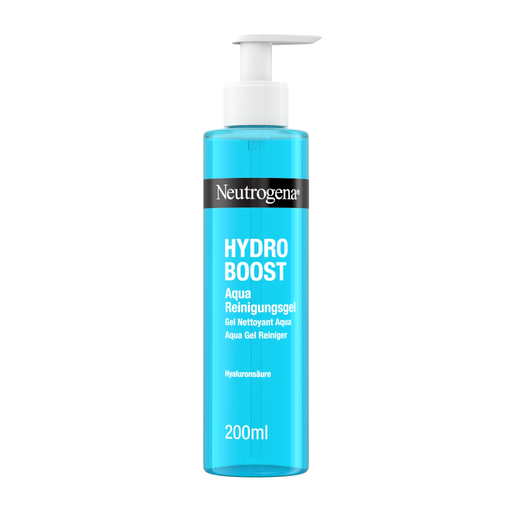
Why This Fits Their Persona: A straightforward 200 ml cleansing gel for daily morning and evening use, without the need for a complicated routine.
The product information explicitly identifies it as a facial cleanser rather than a hand or body product. The gel is used with water and then rinsed off.
200 ml capacity; gel texture; according to the brand description, suitable for all skin types and intended to remove dirt, makeup and sebum.

Why This Fits Their Persona: A 100 ml Korean cleansing gel for anyone drawn to botanical extracts and a compact tube.
The instructions are clear: apply to damp hands and face, massage gently and rinse with lukewarm water.
100 ml capacity; gel texture; ingredient list featuring, among others, glycerin, plum water and mung bean extract.
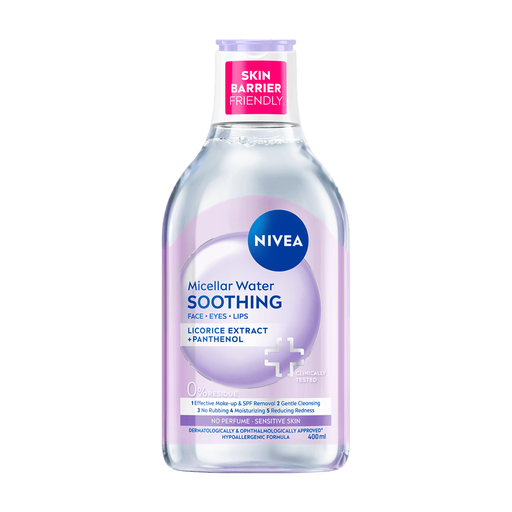
Why This Fits Their Persona: Convenient for anyone who wants to remove makeup or SPF without immediately reaching for a foaming cleanser.
According to NIVEA’s product information, the formula is described as fragrance-free. Use gentle strokes and follow the packaging instructions if the product comes into contact with the eyes.
400 ml capacity; micellar formula; product information lists amino acids, glycerin and dexpanthenol.
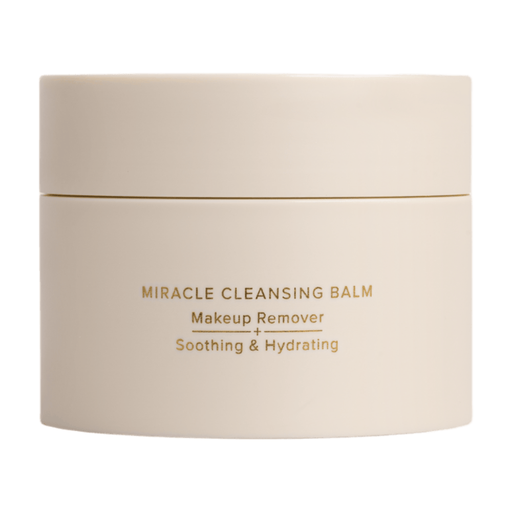
Why This Fits Their Persona: A 100 ml balm cleanser for anyone who removes makeup, SPF and oilier residue every day using massage and water.
The directions make clear that you first massage in the balm and then emulsify it with water. This is more practical than scrubbing firmly with a cotton pad.
According to the product description, the balm transforms into a milky texture when mixed with water; intended for makeup, SPF, impurities and excess oil.
Browse our current range of hydrating cleansers and compare texture, size, ingredients and directions for use before placing your order.
If you have sensitive skin, it is advisable to introduce a new facial cleanser gradually. Stop using it if persistent redness, swelling, itching or a burning sensation occurs, and seek advice from a doctor or dermatologist if symptoms continue.
Micellar water is a type of cleanser applied with a cotton pad. It can be suitable for light cleansing or removing makeup and SPF. A gel or foam is generally used with water. The more comfortable option depends on your routine and how your skin feels.
For many people, cleansing once in the evening is sufficient, particularly for removing dirt, sebum, sunscreen and makeup. Some products are intended for morning and evening use according to the packaging. If you have dry or sensitive skin, cleansing too frequently can leave your skin feeling tight.
That depends on the product size and how much you use each time. A 400 ml bottle of micellar water will generally last longer with daily use than a 100 ml tube, although consumption varies from person to person. Also check the expiry information on the packaging and keep the product properly closed.
