
Vandaag of morgen in huis

Kwaliteit gegarandeerd

Welkomstaanbiedingen ontgrendelen: GRATIS bezorging | Tot 80% korting | Gratis 30 dagen JoyPlus-proefperiode
Download de app
A facial cleanser might seem like a simple product, but the differences between a gel, mousse, foam and cleansing cream are significant. Choosing the wrong one can leave your skin feeling tight, overly shiny or irritated. Marketing terms such as “deep cleansing”, “targets spots” and “pore-free” don’t tell you much on their own without looking at the ingredients and usage instructions.
As Joybuy’s Product Recommendation Officer, I’ve filtered the key information based on verifiable product data. This will help you make a more informed choice when selecting a facial cleanser for daily use, removing make-up, controlling excess sebum, tackling blackheads or caring for sensitive skin.
If your skin feels tight or dry after washing, it isn’t necessarily cleaner. An aggressive formula or massaging for too long can leave your skin feeling uncomfortable. So, pay attention to the recommended skin types and, if you have sensitive skin, opt for mild cleansing agents, a short contact time and lukewarm water.
In practice, cleansing pores mainly means removing dirt, make-up, sebum and product residue from the skin’s surface and around the pore opening. No facial cleanser can permanently shrink your pores. Products containing clay, charcoal or salicylic acid may, according to their descriptions, help remove excess sebum and impurities, but the results vary from person to person.
A formula with salicylic acid, tea tree oil or exfoliating acids isn’t automatically suitable for every time of day. According to the product information from some brands, these ingredients can help with spot-prone or blackhead-prone skin. That’s a brand claim, not a guaranteed result. Always follow the label, patch test first, and stop if irritation occurs.
Don’t just look at the front of the packaging. Check the full ingredients list and pay particular attention to:
So, a product claiming to be “for spots” or “for blackheads” should be assessed on its ingredients and instructions, not just the packaging.
A facial cleanser is usually used daily. That makes size and dosage more important than a flashy package. A pump bottle with foam is quick to dispense, whereas a concentrated cream can last longer if you only need a small amount.
Also check the shelf-life information on the packaging. Many products show the expiry date, batch information or period after opening on the label. Only use a cleanser externally, avoid the eye area and store it according to the manufacturer’s instructions.
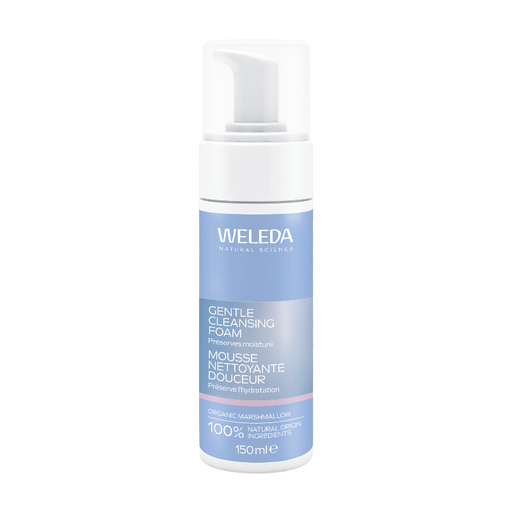
Why this fits the profile: The mousse is aimed at normal and combination skin and is easy to use in the morning or evening. According to the product description, the formula removes make-up and excess sebum.
The product description mentions a gentle cleanse and maintaining the skin’s natural moisture balance, without presenting the formula as a treatment.
150 ml; mousse texture; according to the product information, 100% natural ingredients and a NATRUE certification label.
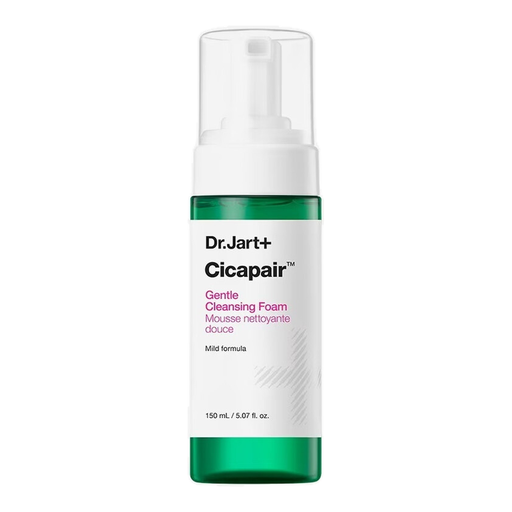
Why this fits the profile: According to the product information, this foam cleanser is developed for daily use and sensitive skin. The gentle foam texture can be handy when you want to remove make-up and daily impurities.
The description mentions a pH-friendly formula and dermatological testing; this doesn’t replace your own assessment of fragrance and essential oils in the ingredients list.
150 ml; foam texture; according to the product information, suitable for all skin types and sensitive skin.
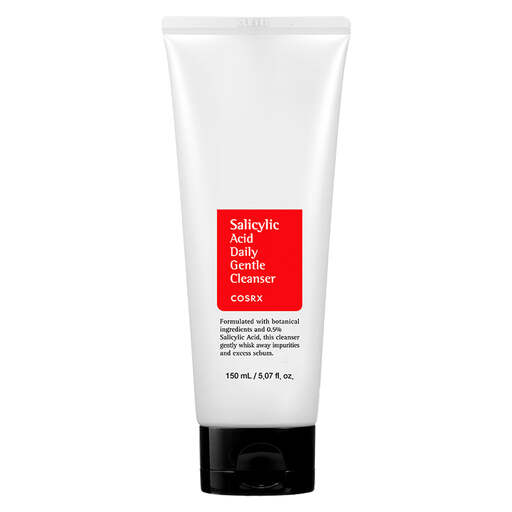
Why this fits the profile: The product information states 0.5% salicylic acid and targets combination, oily or acne-prone skin. This suits users who are specifically looking for pore cleansing and sebum control.
The salicylic acid concentration is stated in the product data. Use according to the label and stop if irritation occurs; a cleanser is not a medical treatment.
150 ml; salicylic acid 0.5%; according to the product list, contains glycerine and mild cleansing ingredients.
We’ve put together a full, up-to-date list of products that fully meet these strict selection criteria and comply with current European safety regulations.
With an acne facial cleanser or salicylic acid cleanser, there’s no need to scrub extra hard. For persistent or serious skin concerns, it’s wiser to seek advice from a doctor or pharmacist rather than continually trying a stronger product.
A gel, foam or face wash with ingredients such as salicylic acid, clay or charcoal can work well for oily or combination skin. However, do check that the formula doesn’t leave a strong tight feeling. A milder cleanser may be more suitable if your skin reacts quickly.
For many people, once in the evening is enough to remove sebum, dirt and make-up. Some product packaging recommends use in both the morning and evening. Always follow the product instructions and adjust the frequency if your skin becomes dry, red or sensitive.
A facial cleanser can remove dirt, sebum and surface impurities. Products with salicylic acid are often marketed, according to their descriptions, for clogged pores and blackheads. Lasting results are not guaranteed. Avoid squeezing and don’t use an aggressive combination of several exfoliating products at the same time.
