
Vandaag of morgen in huis

Kwaliteit gegarandeerd

Welkomstaanbiedingen ontgrendelen: GRATIS bezorging | Tot 80% korting | Gratis 30 dagen JoyPlus-proefperiode
Download de app
A facial cleanser may seem like a simple product, but choosing the wrong one can quickly lead to tight-feeling skin, excess shine or make-up residue left behind. If you want to buy a facial cleanser, therefore, you should look beyond attractive packaging and phrases such as “deep cleansing”. The texture, ingredients, directions for use and warnings all determine whether a cleanser fits your daily routine.
A foaming facial cleanser often feels intensive. That does not automatically mean it cleanses the skin more thoroughly or effectively. A formula that leaves your skin feeling tight after washing may simply be too drying for some skin types. Look for gentle cleansers and use lukewarm water rather than hot water.
A label such as “for oily skin” or “for all skin types” is a starting point, not a guarantee. Check the ingredients list. Fragrances, essential oils and exfoliating ingredients may be less suitable for sensitive skin. A cleanser for acne does not automatically contain the right combination for every user either.
A cleansing oil is generally used on dry skin with dry hands. Adding a little water afterwards allows the oil to emulsify into a milky substance, as described in the directions. If you start with a wet face or do not rinse thoroughly enough, you may be left with a greasy layer. When removing waterproof make-up, a separate make-up remover may sometimes be more practical.
Review the full ingredients list rather than relying only on marketing claims. Glycerine can help the skin feel comfortable, while cleansing agents affect the amount of foam and the cleansing sensation. Low pH Good Morning Gel Cleanser, for example, lists tea tree oil and glycerine in its product information. If you are sensitive to fragrances or essential oils, a patch test is advisable.
A low pH is not, by itself, proof that a product is suitable for everyone. Personal tolerance, the rest of your routine and how often you wash your face also play a role. For sensitive skin, preferably choose a product with clear warnings and the simplest possible formulation.
Check the following before buying:
You should not treat a brand’s own research or claims about, for example, pores, sebum, hydration or blemishes as guaranteed results. Use this information as a product description and check whether the ingredients and directions for use match your needs.
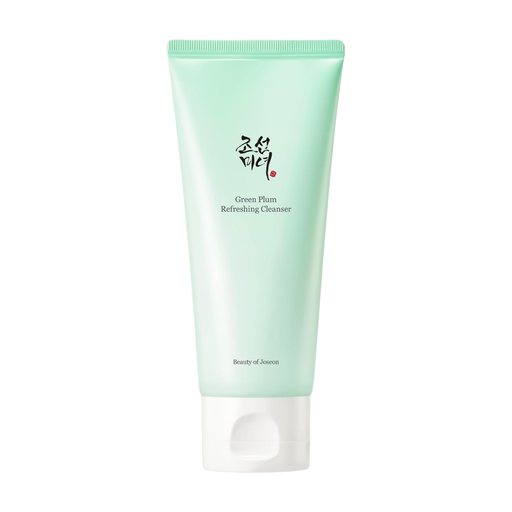
Why it suits this profile: The gel texture and tube packaging make it a straightforward choice for a first daily facial cleansing routine. According to the product information, the cleanser is intended for all skin types and contains, among other ingredients, plum water and glycerine.
The product information does not mention a harsh scrub texture for daily use. However, always check the current ingredients list on the packaging.
100 ml; gel texture; vegan and fragrance-free according to the product listing.
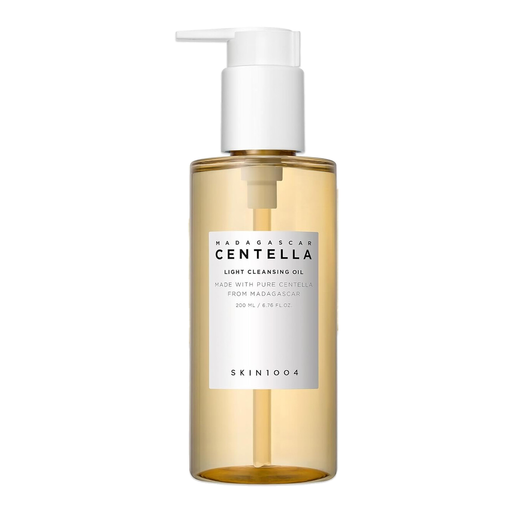
Why it suits this profile: This Korean facial cleanser is an oil for anyone who wants to remove make-up and sun cream as a first step. The product description lists six plant oils and a 200 ml capacity.
The instructions specify use on a dry face followed by rinsing with lukewarm water. This helps reduce the risk of incorrect emulsification or an oily layer being left behind.
200 ml; lightweight oil according to the product description; intended for daily make-up removal.
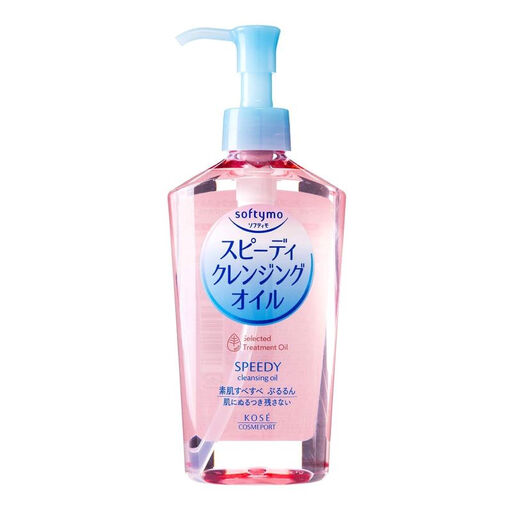
Why it suits this profile: The pump bottle and recommended dose of 2 to 3 pumps suit users who regularly remove make-up or sun cream.
The directions recommend rinsing with lukewarm water and warn against use on damaged, irritated or very sensitive skin.
240 ml; 2–3 pumps per use according to the instructions; oil formula containing plant oil.
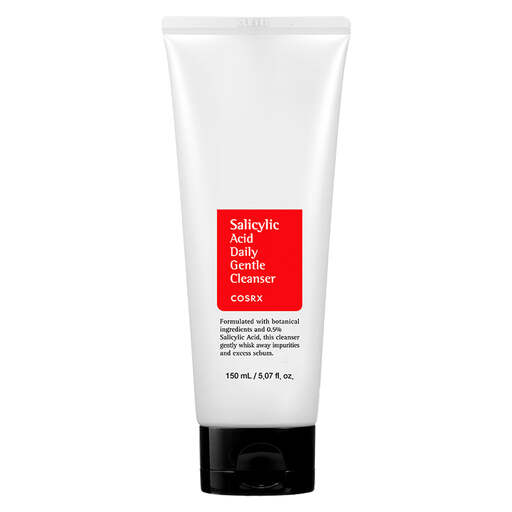
Why it suits this profile: The product listing states that it contains 0.5% salicylic acid and is aimed at combination, oily or acne-prone skin. This makes the ingredients list particularly relevant when choosing a product.
The concentration is clearly stated. According to the warning, a patch test is advisable; stop using the product if irritation occurs and avoid contact with the eyes and mouth.
150 ml; 0.5% salicylic acid according to the product information; foaming formula.
We have put together a complete, up-to-date list of products that fully meet these strict selection criteria and the applicable European safety regulations.
In the morning, use a small amount of gel or foaming cleanser on a damp face. Massage gently and rinse thoroughly. In the evening, a cleansing oil can first loosen make-up and sun cream, followed by a water-based cleanser. A peeling gel, such as the Beauty Of Joseon Apricot Blossom Peeling Gel, is not a substitute for daily cleansing; the product information recommends using it only once or twice a week.
If you have sensitive skin, introduce one new product at a time. Stop using it if you experience redness, itching, a burning sensation or swelling. If symptoms persist, seeking advice from a doctor or dermatologist is more appropriate than continually switching to stronger cosmetics.
For many people, cleansing once in the evening is enough, particularly to remove sun cream, make-up and dirt. If you experience a lot of sebum or sweat in the morning, you can cleanse again then. Dry or sensitive skin may benefit from washing less often.
That depends on the formula and how your skin reacts. A product containing salicylic acid may, according to the product information, be intended for oily or acne-prone skin, but this is no guarantee of results. Follow the label, start gradually and stop if irritation occurs.
This depends on the contents, dosage and frequency of use. A 150 ml bottle used once a day with a small amount will generally last longer than when two generous doses are used each day. Always check the shelf life and period after opening on the packaging.
