
Vandaag of morgen in huis

Kwaliteit gegarandeerd

Welkomstaanbiedingen ontgrendelen: GRATIS bezorging | Tot 80% korting | Gratis 30 dagen JoyPlus-proefperiode
Download de app
A facial cleanser seems simple: apply, rinse, and you’re done. Yet the wrong choice can leave your skin feeling tight, extra shiny, or irritated. Terms like “deep cleansing”, “pore cleanser” and “hydrating” sound appealing, but on their own they say little about whether a product is right for your skin.
As a Joybuy Product Recommendation Officer, I filter marketing language back to verifiable product information. Pay particular attention to the ingredients list, the texture, the usage instructions and any warnings on the packaging.
A foaming facial cleanser can leave your skin feeling fresh and clean. However, a very strong cleanse can be less comfortable for dry or sensitive skin. A tight feeling after washing is not a reliable sign that dirt has been better removed.
Instead, look at the type of product:
A low pH cleanser is often chosen because the formula is said to be closer to the skin’s natural acidity. That can be a relevant factor when selecting a product, but the overall formula still matters. Fragrances, essential oils and exfoliating ingredients can also affect how the product feels to use.
A product page may state that a facial cleanser is suitable for all skin types. That is the brand’s product information, not a guarantee for every user. Always check the full ingredients list and the safety warnings. If you have sensitive skin, a patch test is wise. Stop using the product if you experience redness, itching or a burning sensation, and consult a doctor or dermatologist if symptoms persist.
For dry skin, a mild facial cleanser containing glycerine, betaine or other moisturising ingredients is often a better fit than a strong degreasing formula. If you have oily or combination skin, you might look for a gel or foaming facial cleanser that removes excess sebum without the need for harsh scrubbing.
A facial cleanser for acne-prone skin may contain ingredients such as salicylic acid. According to the product description from, the Salicylic Acid Daily Gentle Cleanser contains 0.5% salicylic acid. That is a verifiable product specification, but the product should not be presented as a treatment. Also watch out for potential allergens, such as tea tree oil or citrus oil.
Read the ingredients list rather than just the front of the packaging. Pay attention to:
Brands may claim additional benefits based on their own research. According to the brand’s own research, a product might, for example, support the skin barrier or cleanse pores. For an objective comparison, focus on the listed ingredients, the volume and the usage instructions.
Compare millilitres or grams, not just the packaging. A 150 ml tube is not automatically better value than a 100 ml bottle; the amount needed per wash varies depending on the formula.
Also check:
A facial cleanser is for external use only. Do not use it on damaged or irritated skin if the label advises against it.

Why this fits the profile: The gel texture and 100 ml volume make this a straightforward choice for anyone wanting to add a Korean facial cleanser to their routine without buying multiple products at once.
The product description mentions a mild cleansing gel and does not list essential oils or fragrance. Check the current packaging at the time of purchase.
Gel texture, 100 ml volume and an ingredients list including glycerine and green plum extract.
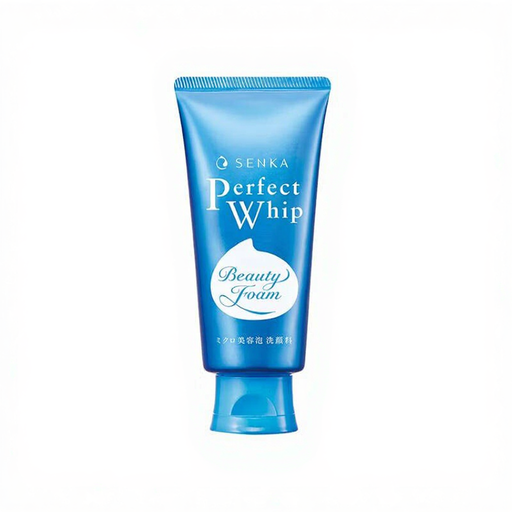
Why this fits the profile: This Japanese facial cleanser is designed for users who specifically want a rich, airy foam texture and prefer to base their routine on a single, reliable product.
The description specifies a rich foam formula and gives a clear usage step: first lather with water, then rinse off.
120 g volume, foaming texture and mention of glycerine, sodium hyaluronate and silk ingredients.
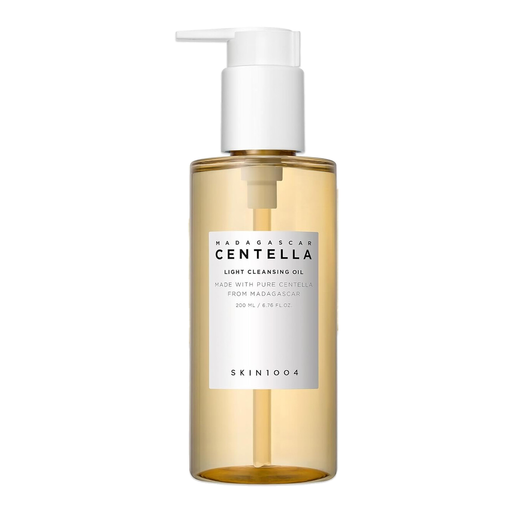
Why this fits the profile: Suitable for anyone who uses make-up or sunscreen daily and wants a cleansing oil as the first step in double cleansing.
The instructions clearly state that you apply the product to a dry face with dry hands. This prevents unnecessary scrubbing when removing oily residues.
200 ml volume, six plant-based oils according to the product description, and designed for dissolving make-up and impurities.
We’ve put together a full, up-to-date list of products that fully meet these strict selection criteria and comply with current European safety regulations.
Use lukewarm water and massage gently with your fingertips. Hot water and harsh rubbing can leave the skin feeling uncomfortable. Follow the specific instructions on the label: some products are intended for morning and evening use, while others are mainly used as part of a double cleansing routine.
Do you wear make-up or waterproof sunscreen? If so, start with a cleansing oil or micellar water. Then use a facial cleanser that suits your skin type. You don’t need to use a pore cleanser aggressively; visible pores won’t disappear by scrubbing harder.
For many adults, once in the evening is enough to remove sebum, sunscreen and daily grime. If you experience a lot of sebum in the morning, you can cleanse again then. A dry or sensitive skin may benefit from less frequent washing, depending on the product instructions and your own skin’s reaction.
Check the expiry date, the batch number and the open-jar symbol on the packaging. Store the product in a cool, dry place, keep the lid tightly closed and avoid getting water into the container. If the smell, colour or texture changes, stop using the product.
A cleanser containing, for example, salicylic acid can be suitable for oily or acne-prone skin, but a cleanser is rinsed off. Its effectiveness and suitability vary from person to person. Use it according to the label, perform a patch test if in doubt, and seek professional advice for persistent or severe skin concerns.
