
Vandaag of morgen in huis

Kwaliteit gegarandeerd

Welkomstaanbiedingen ontgrendelen: GRATIS bezorging | Tot 80% korting | Gratis 30 dagen JoyPlus-proefperiode
Download de app
Choosing a facial cleanser might seem simple, until you have to decide between a gel, foam, cleansing oil or cleansing balm. A product that feels pleasant in the shop can turn out to be too drying, too greasy or difficult to rinse off at home. Terms like “deep cleansing”, “for all skin types” and “pore cleansing” also tell you very little about the everyday experience of using it.
This guide will help you choose a facial cleanser based on texture, ingredients, when you use it and your skin’s needs. That way, you avoid paying mostly for marketing language.
A foaming facial cleanser with lots of airy lather feels thorough, but that doesn’t automatically mean it’s better for your skin. Some foaming formulas can leave your skin feeling tight after rinsing, especially if you have dry or sensitive skin. So pay attention to the ingredients and the instructions for use, not just the amount of foam.
A gel cleanser or foam is handy for sweat, dirt and excess sebum. However, waterproof make-up and some sunscreens often dissolve more easily in oil. A cleansing oil or cleansing balm can be used as a first step. After that, you can use a water-based cleanser if you wish.
A product description may state that a formula is suitable for all skin types, but individual reactions vary. Fragrances, essential oils, tea tree oil or exfoliating ingredients can be less pleasant for some users. Always check the ingredients list and stop using the product if you experience persistent redness, itching or a stinging sensation.
For a facial cleanser for sensitive skin, a short, clear ingredients list is often a practical starting point. If you react to fragrances, you’re better off choosing a fragrance-free option. According to the product information, the Beauty of Joseon Green Plum Refreshing Cleanser is described as fragrance-free and essential-oil-free.
For oily, combination or acne-prone skin, a formula with salicylic acid might seem appealing. The Salicylic Acid Daily Gentle Cleanser contains 0.5% salicylic acid according to the product description. This is a cosmetic cleansing product and not a substitute for treating skin conditions. If in doubt, test a small amount first.
The volume varies in this selection, from small samples to 200 ml packs. An oil or balm you use daily should rinse off easily without leaving a heavy residue. For products that need to emulsify, add water after massaging the product onto dry skin. The mixture should then turn milky.
Also check the expiry information and batch number on the packaging. Store a facial cleanser in a cool, dry place away from direct sunlight, and close the pot or tube properly after use.

Why this fits the profile: The gel texture and 100 ml tube make this a straightforward choice if you’re looking for a daily Korean facial cleanser without buying multiple products straight away.
The product information mentions a fragrance-free and essential-oil-free formula. Do check this on the packaging when you buy it.
Gel texture, 100 ml volume and, according to the product description, suitable for all skin types.
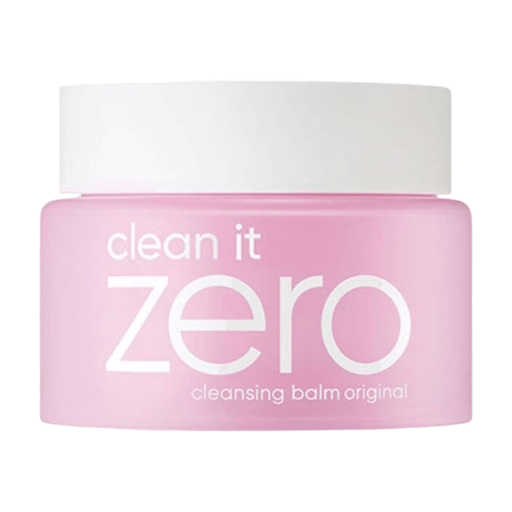
Why this fits the profile: This cleansing balm suits an evening routine with make-up or SPF. The solid texture is compact and, according to the product description, turns into an oily emulsion when it comes into contact with water.
The instructions ask you to massage it onto dry skin and then emulsify with water. This prevents you from rinsing the balm off straight away.
100 ml volume, spatula included and a formula that, according to the product description, removes waterproof make-up and daily impurities.

Why this fits the profile: This cleanser is aimed at users who pay extra attention to sebum and have combination, oily or acne-prone skin.
The concentration of 0.5% salicylic acid is stated in the product information. Don’t automatically use it more often if irritation occurs, and do a patch test first.
150 ml volume, foaming formula and salicylic acid as a listed ingredient in the product description.
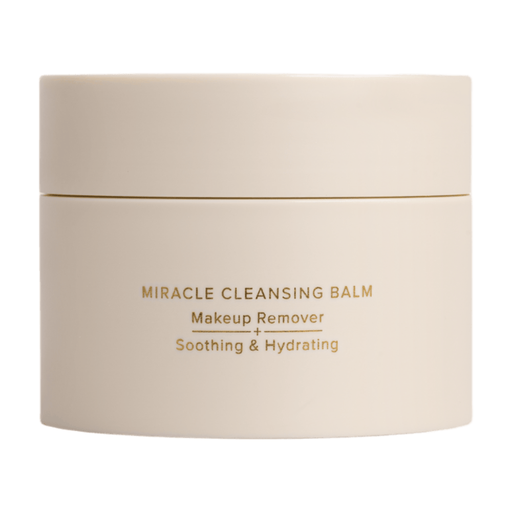
Why this fits the profile: The balm texture and the listed oils and butters suit anyone looking for a richer make-up remover for their evening routine.
The product description explains that the balm turns into a milky texture with water. Emulsifying it well helps to minimise a heavy residue.
100 ml volume and a balm-to-milk texture according to the product information.
We’ve put together a full, up-to-date list of products that fully meet these strict selection criteria and comply with current European safety regulations.
A cleansing oil can be suitable for different skin types, especially when you want to remove make-up, SPF or sebum. Your personal experience will depend on the formula and how well you rinse it off. If you have sensitive skin, choose a product whose ingredients you can easily check.
Not always. Some users prefer a second cleanse, especially after waterproof make-up or a long day with several skincare products. Follow the instructions for use and pay attention to whether your skin feels clean but comfortable.
That depends on the volume, how much you use and how often you use it. A 150 to 200 ml product can last longer with daily use than a balm you apply generously. Check the expiry information on the packaging and replace a product if the smell, colour or texture changes noticeably.
