
Vandaag of morgen in huis

Kwaliteit gegarandeerd

Welkomstaanbiedingen ontgrendelen: GRATIS bezorging | Tot 80% korting | Gratis 30 dagen JoyPlus-proefperiode
Download de app
A facial cleanser may seem like a simple product: apply, rinse and you’re done. But the wrong cleanser can leave your skin feeling tight, looking shinier or feeling uncomfortable. With Korean and Japanese facial cleansers in particular, there’s a wide choice of foams, active ingredients and detailed claims. These don’t always tell you whether a product is suitable for your daily cleansing routine.
So watch out for these three common pitfalls:
A cleansing gel usually produces a light lather, or none at all, and can feel comfortable on normal, combination or sensitive skin. A foaming cleanser creates a richer lather and often feels like it cleans more thoroughly. This can be appealing if you have oily skin, but pay attention to whether your skin feels tight or dry after rinsing.
In the evening, a gel cleanser may be convenient to use on dry skin if the instructions allow it. For example, the Calendula Balancing Foam Gel Cleanser says you can massage the gel directly onto dry skin in the evening, then add water to work it into a lather.
Check the ingredients list before buying, especially if you’re looking for a cleanser for sensitive skin or a cleanser for acne-prone skin. In particular, look out for:
According to the product information, Medicube Zero Foam Cleanser contains perfume and a salicylic acid component from wintergreen leaf extract. The seller recommends a patch test, particularly if you have sensitive skin, and states that the product isn’t intended for children under three.
When comparing facial cleanser prices, consider the size as well as the price. The products in this selection range from 100 ml to 200 ml. A larger tube isn’t automatically better value if you use more than you need.
Use a small amount, massage it in without rubbing hard, then rinse with lukewarm water. Always check the expiry date and batch number on the packaging. Stop using the product if you experience redness, itching, a burning sensation or swelling. Avoid contact with your eyes, and don’t use a cleanser on broken skin if the packaging warns against it.
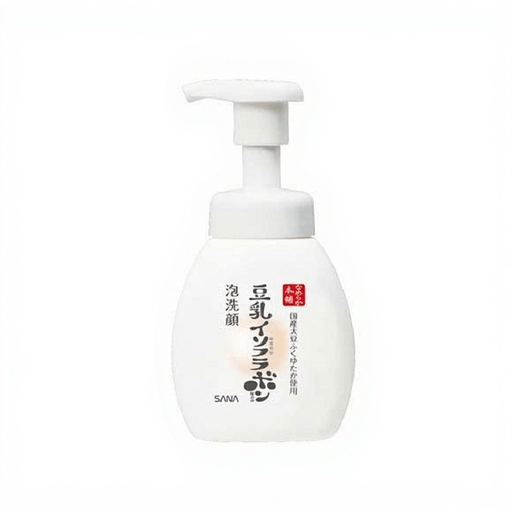
Why it suits this profile: The 200 ml size makes this foaming cleanser a practical choice for everyday use in the morning and evening. This product variant is designed to cleanse and hydrate.
You’re choosing based on the size and product type, rather than marketing claims alone. Check the full ingredients list before use.
200 ml size; foaming texture; variant labelled Rich Hydrating.

Why it suits this profile: According to the product information, this Korean facial cleanser has a gel texture and contains ingredients including glycerine, plum water and mung bean extract. It’s an interesting option if you’re looking for a cleanser that doesn’t produce a heavy lather.
The gel texture means you don’t automatically have to choose the formula that foams the most. Check whether you need to remove your make-up or sun cream separately beforehand.
100 ml size; gel cleanser; ingredients list includes glycerine and mild cleansing agents.
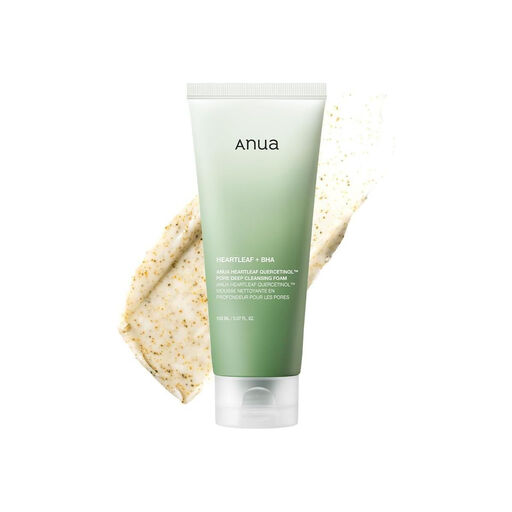
Why it suits this profile: The product description mentions 33% heartleaf extract, a micro-fine foaming texture and ingredients such as glycerine, panthenol and allantoin. It may appeal if you’re looking for a deep pore cleanse.
The ingredients list is available and also mentions perfume and salicylic acid. This lets you check in advance whether the formula is right for your skin.
150 ml size; foaming formula; according to the product information, contains glycerine, several forms of hyaluronic acid and salicylic acid.
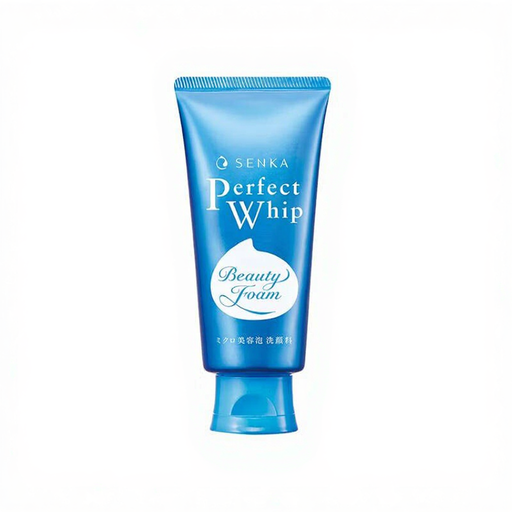
Why it suits this profile: This Japanese facial cleanser is designed to be worked up into a rich lather with water. The ingredients list includes glycerine and sodium hyaluronate.
The instructions recommend massaging gently and rinsing thoroughly. Don’t use more product than you need, and avoid it if your skin is irritated or very sensitive.
120 g size; foaming formula; instructions for morning and evening use.
We’ve put together a complete, up-to-date list of products that meet these strict selection criteria and the applicable European safety regulations.
For most routines, once in the morning and once in the evening is enough. If you have dry or sensitive skin, cleansing only in the evening may feel more comfortable. See how your skin responds and avoid rubbing hard.
No. A cleanser is rinsed off and isn’t a substitute for treatment. Product descriptions may refer to acne-prone skin or pore cleansing, but these claims don’t guarantee a particular result. If you have persistent skin concerns, you can ask your GP or pharmacist for advice.
Check the expiry date, batch number and any information about how long the product lasts after opening on the packaging. Store it in a cool, dry place away from direct sunlight, and close the packaging after use. Stop using it if the smell, colour or texture changes noticeably.
