
Vandaag of morgen in huis

Kwaliteit gegarandeerd

Welkomstaanbiedingen ontgrendelen: GRATIS bezorging | Tot 80% korting | Gratis 30 dagen JoyPlus-proefperiode
Download de app
A facial cleanser should remove dirt, excess sebum, make-up and SPF without leaving your skin feeling tight after washing. Yet it can be tricky to choose the right one from a gel cleanser, face wash, foaming formula and exfoliating facial cleanser.
Marketing copy often emphasises “deep cleansing”, natural ingredients or a radiant complexion. On its own, that tells you little about whether it’s suitable for your skin. So pay close attention to the ingredients list, the usage advice and the size of the packaging.
A heavily degreasing product can instantly give a very clean or tight sensation. That doesn’t automatically mean the formula is a better fit. For dry or sensitive skin in particular, an overly intensive face wash can feel uncomfortable.
Look for gentle cleansers containing ingredients such as glycerine, betaine, panthenol or hyaluronic acid. These are commonly used to retain moisture, but they don’t automatically make a product suitable for everyone. Always check the full ingredients list too.
A low-pH facial cleanser usually has an acidity level closer to that of your skin. That can be a practical criterion when you’re looking for a gentle daily cleanser. However, the pH value doesn’t tell you everything: fragrance, essential oils, exfoliating acids and certain preservatives can also be relevant.
If you have sensitive skin, it’s wise to check the ingredients first and do a patch test. Stop using the product if you experience redness, itching or a stinging sensation.
An exfoliating facial cleanser may contain glycolic acid, lactic acid, salicylic acid, papaya enzymes or a cellulose gel that loosens dead skin cells. Such formulas aren’t always intended for use as frequently as a gentle daily cleanser.
According to the product information from some brands, exfoliation can increase sensitivity to sunlight. So follow the label, use sun protection during the day and don’t simply combine multiple exfoliating products.
The cleansing agents, also known as surfactants, partly determine how the formula feels. Amino acid and coconut-based cleansing agents are common in mild gel cleansers. A facial cleanser for oily skin can remove excess sebum, but it doesn’t need to strip the skin aggressively.
For dry skin, a hydrating facial cleanser with glycerine, betaine or panthenol is often a good fit. For combination skin, look for a light gel texture that rinses off well. If you’re looking for a cleanser for acne-prone skin, pay close attention to the overall formula and be cautious with fragrance and too many active ingredients. A cleanser doesn’t replace treatment for skin concerns.
A pH of around 5 to 6 is often described as mildly acidic. The Low-pH Good Morning Cleanser, for example, states it has a low-pH formula and contains tea tree oil, betaine salicylate and citric acid. According to the product description, it’s intended for daily use and for oily or acne-prone skin. Check for yourself whether these ingredients suit your skin.
For a facial cleanser for sensitive skin, a short ingredients list can be clearer. Also look out for fragrances such as parfum, limonene, linalool and essential oils. “Natural” doesn’t automatically mean an ingredient can’t cause irritation.
Most daily facial cleansers in this overview contain around 100 to 200 ml. A larger size is only better value if you like the formula and use it regularly. A 50 ml size can be handy for trying it out first or for travel.
If you wear waterproof make-up or a lot of SPF, you may want to remove it first with an oil or micellar product. Then wash with a facial cleanser. Not every gel cleanser is intended, according to the product information, to remove all types of make-up in one step.
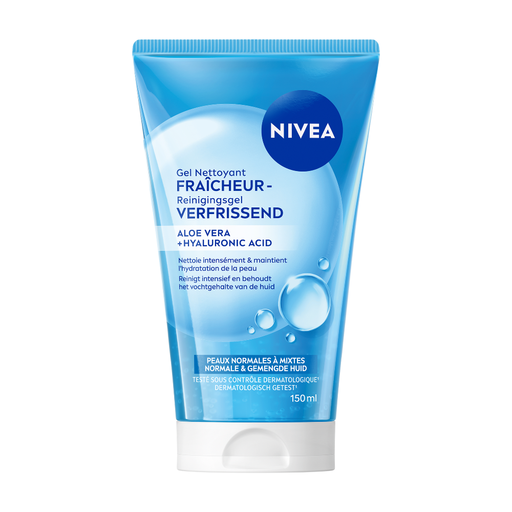
Why it fits this profile: An accessible gel for anyone looking for a daily cleanser for normal or combination skin, without a complicated routine.
The product information states daily removal of dirt and SPF. Do check for the presence of alcohol denat. and parfum if your skin reacts to those.
150 ml content; glycerine, aloe vera and sodium hyaluronate are listed in the ingredients.
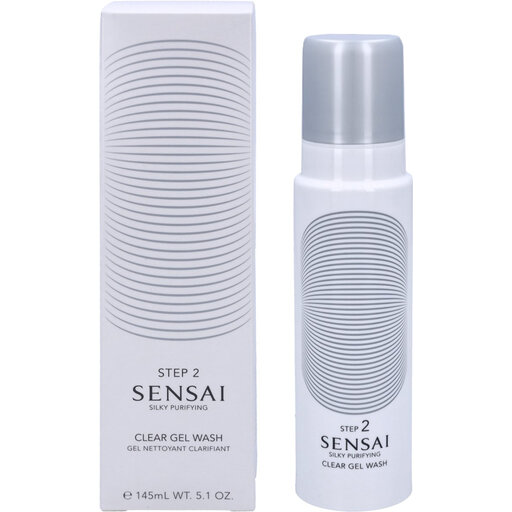
Why it fits this profile: For those who value a gel texture, pump packaging and a premium skincare product.
The product details state a gel for daily cleansing. The ingredients list does contain parfum and alcohol; check this beforehand if you have sensitive skin.
145 ml; gel texture; pump bottle; according to the product details, suitable for all skin types.
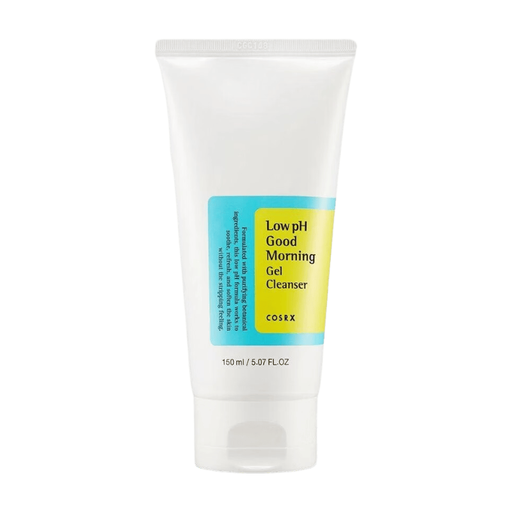
Why it fits this profile: A Korean facial cleanser for users specifically looking for a low-pH gel for oily or combination skin.
The pH positioning and ingredients are clearly stated. Tea tree oil and betaine salicylate do call for extra caution with reactive skin.
150 ml; gel texture; low-pH formula according to the product description; intended for morning and evening use.
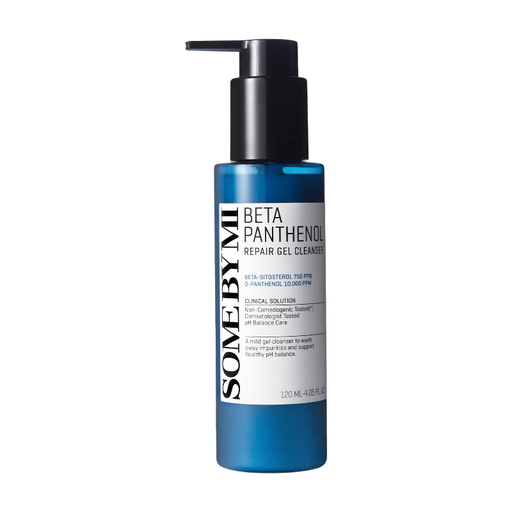
Why it fits this profile: For anyone looking for a gentle gel cleanser with panthenol and a low-pH positioning for daily use.
The product details state a gentle, low-pH formula. Still do a patch test, because even a carefully formulated product may or may not be tolerated personally.
120 ml; panthenol stated at 10,000 ppm; according to the ingredients list, contains glycerine and amino acids among others.
We’ve put together a full, up-to-date list of products that fully meet these strict selection criteria and current European safety regulations.
For most adults, cleansing in the morning and evening is sufficient, depending on your skin type and routine. After removing make-up or SPF, a second cleansing step can be useful. If your skin feels tight, use less product, a shorter massage time or a gentler formula.
Check the expiry date and the symbol for the period after opening on the packaging. Some products, for example, state 12 months after opening. Store a cleanser tightly closed, in a cool place away from direct sunlight, unless the label gives different instructions.
Not automatically. Compare the price per 100 ml, the amount needed per wash and the ingredients that are relevant to your skin. A 50 ml product can be handy for trying out, while 150 or 200 ml may be more practical for daily use.
