
Vandaag of morgen in huis

Kwaliteit gegarandeerd

Welkomstaanbiedingen ontgrendelen: GRATIS bezorging | Tot 80% korting | Gratis 30 dagen JoyPlus-proefperiode
Download de app
A facial cleanser seems simple: apply, rinse and you’re done. Yet many consumers choose a product based on terms such as “deep cleansing”, “glow” or “pore-clearing”, without checking what is actually in the formula. This can lead to a tight feeling, unnecessary irritation or a product that does not suit your daily routine.
As a Joybuy Product Recommendation Officer, I filter the most important product information using verifiable specifications. This allows you to compare a Korean facial cleanser, Japanese facial cleanser or another cleanser for your face without relying solely on marketing claims.
A foaming facial cleanser can feel thorough, but lots of foam alone says little about whether it is suitable for your skin. A formula containing fragrance, alcohol or strongly cleansing fatty acid combinations may be less comfortable for some users, particularly those with sensitive or dry skin.
That is why you should look at the full ingredients list rather than just the texture. A gel cleanser, cream cleanser or foam cleanser can all be suitable, depending on the formulation and your skin type.
Brands regularly use terms such as “hydrating”, “barrier-friendly” or “balancing”. Such properties may be claimed based on a brand’s own research or the product description, but they are not a guarantee for every user.
Check whether the formula contains ingredients such as glycerine, betaine, hyaluronic acid or ceramides. Also look out for potential points of concern such as fragrance, essential oils and exfoliating substances. After rinsing, a hydrating facial cleanser should not leave your skin feeling tight or burning for a prolonged period.
A facial cleanser for acne or oily skin may contain ingredients such as salicylic acid or tea tree oil. This does not automatically mean that the product treats or prevents acne. According to the brand’s product information, the Salicylic Acid Daily Gentle Cleanser contains 0.5% salicylic acid and is intended for skin with excess sebum and blemishes. This is product information from the brand, not a medical guarantee.
If you have sensitive skin, start with a small amount and stop using the product if you experience redness, swelling, itching or irritation. For persistent skin problems, it is wiser to seek advice from a dermatologist or doctor.
A low pH cleanser generally has a mildly acidic formula. The Low-pH Good Morning Cleanser is described in the product information as a cleanser with a low pH, intended to remove excess sebum and impurities. The precise experience may vary from one skin type to another.
Bear in mind that a low pH is not the only measure of quality. The cleansing agents, fragrances, oils and time of use all influence how comfortable a product feels.
Always read the ingredients list on the product page and packaging. Pay particular attention to:
Use a facial cleanser with lukewarm water, massage without rubbing hard and pat your skin dry. Double cleansing is particularly relevant when you want to remove make-up, sun cream or a waterproof product. Always follow the specific instructions on the packaging.

Why it suits this profile: The light gel texture and 100 ml volume make this a straightforward choice for anyone who wants to try a daily cleanser without immediately buying a large pack.
The product information describes a gel cleanser without fragrance or essential oil. Check the packaging when purchasing, as the labelling takes precedence.
Gel texture, 100 ml volume and, according to the product information, suitable for all skin types, including dry and sensitive skin.
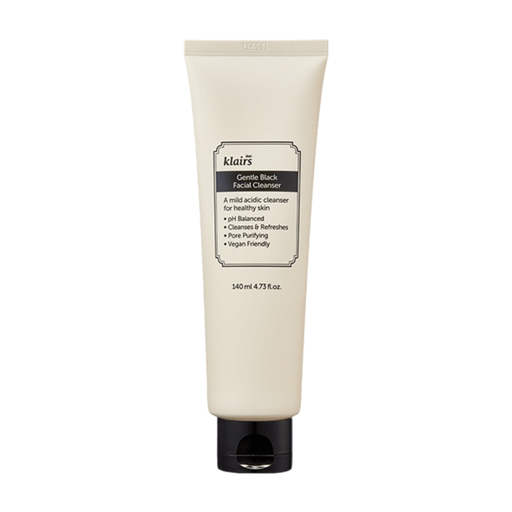
Why it suits this profile: Anyone who values a Korean facial cleanser with a creamy texture can consider this option for their morning and evening routine.
The product description mentions a mildly acidic formula and tests for eye irritation and the removal of fine dust. These are product claims made by the brand.
140 ml volume, ingredients such as glycerine, hydrated hyaluronic acid and ceramide NP, plus a creamy foaming texture.

Why it suits this profile: This foaming facial cleanser is aimed at users specifically concerned with excess sebum and looking for a formula containing salicylic acid.
The product information states a concentration of 0.5% salicylic acid. A patch test and following the warnings remain important.
150 ml volume, 0.5% salicylic acid according to the product description, plus tea tree oil and willow bark water.
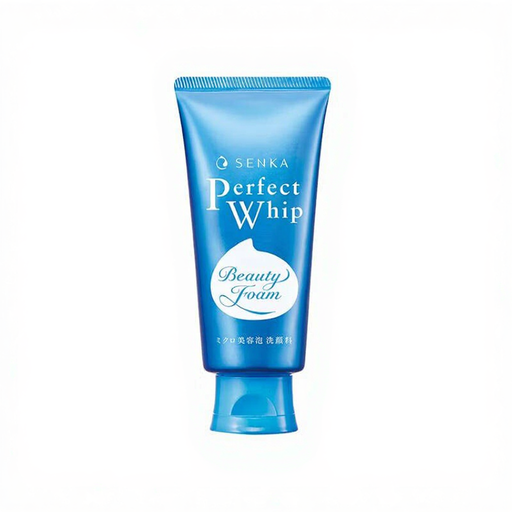
Why it suits this profile: This Japanese facial cleanser is well suited to anyone primarily looking for a rich, airy foaming texture and a compact tube.
The product information mentions a rich foam texture, but also lists fragrance and sodium metabisulphite. This makes the ingredients list important for users with sensitive skin.
120 g volume, rich lather and hyaluronic acid and silk ingredients according to the product description.
We have put together a complete, up-to-date list of products that fully meet these strict selection criteria and the applicable European safety regulations.
For most adults, once in the evening is a practical starting point. In the morning, you can use a daily facial cleanser if your skin finds it comfortable. If you experience dryness or irritation, using only lukewarm water in the morning may be an alternative. Follow the instructions for your chosen product.
Check the expiry date, batch number and the open-jar symbol indicating the period after opening on the packaging. Many products do not show all this information on the product page. Store the cleanser somewhere cool and dry, away from direct sunlight. Close the tube or pump securely after use.
The cost per use depends on the volume and the amount you need. A 150 ml product may work out cheaper than a smaller tube, but only if the formula is pleasant enough to use consistently. Therefore, compare not only the retail price, but also the volume, dosage and shelf life after opening.
