
Vandaag of morgen in huis

Kwaliteit gegarandeerd

Welkomstaanbiedingen ontgrendelen: GRATIS bezorging | Tot 80% korting | Gratis 30 dagen JoyPlus-proefperiode
Download de app
A facial cleanser may seem like a simple product, but the differences in texture, cleansing power and ingredients can be significant. Dry skin can feel tight after using a foam cleanser that is too strong, while oily or combination skin may not always be cleansed sufficiently with a rich cleansing milk.
Marketing terms such as “barrier repair”, “pore cleansing” and “intensive hydration” sound appealing. However, they do not always tell you how a cleanser will work in your daily routine. Start by looking at verifiable information: the type of cleanser, the ingredients list, the directions for use and whether it is suitable for your skin type.
Lots of foam does not automatically mean that a product is harsh, but a strongly degreasing feeling is not proof of thorough cleansing either. If your skin feels tight, dry or irritated after rinsing, the formula may be too intense for daily use.
A mild facial cleanser should remove dirt, sebum, sun cream residue and light make-up without requiring prolonged rubbing. Pay attention to how you use it too: lukewarm water and short, gentle movements are usually sufficient.
Centella, snail extract, tea tree and hyaluronic acid are often found in K-beauty facial cleanser formulas. The presence of an ingredient alone does not indicate how your skin will respond. A brand’s own research may report certain effects, but that does not automatically make them predictable for every user.
Use the ingredients list primarily to check for potential preferences or sensitivities. If you prefer to avoid fragrance or essential oils, check the full INCI list rather than just the front of the packaging.
A gel cleanser or foam cleanser is suitable for daily cleansing, but not every formula is designed to remove make-up. With waterproof make-up or several layers of sun cream, starting with micellar water, cleansing milk or cleansing oil may be more practical.
For example, the product description for SKIN1004 Madagascar Centella Hyalu-Cica Gentle Cleansing Milk states that it should be used on a dry face and with dry hands. For heavy make-up, a second cleanser is recommended. This is more specific usage advice than the general claim that a product “removes everything”.
A product with low pH, such as pH 5.0 to 5.5 according to the product information, may be worth considering if you are looking for gentle daily cleansing. Also look at cleansing agents such as amino acid- or coconut-based surfactants. The combination of ingredients is more important than a single technical figure.
The SOME BY MI Snail TrueCICA Miracle Repair Low pH Gel Cleanser is described as a gel cleanser with a pH of 5.5. The formula includes glycerine, ceramide, panthenol and an amino acid complex, among other ingredients. The ingredients list also mentions bergamot and sage oils. If your skin reacts quickly to fragrances or essential oils, it is sensible to carry out a patch test first.
Do not compare only the price per pack. A 200 ml bottle may work out cheaper than a 50 ml tube, while a smaller pack may be more suitable for trying a product first or taking it with you.
Also check:
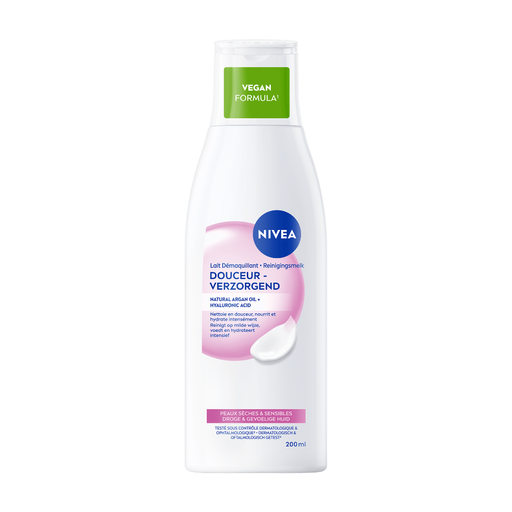
Why it suits this profile: The 200 ml pack is practical for a regular routine, and the product description is aimed at dry and sensitive skin. The cleansing milk is designed to remove make-up, including waterproof mascara.
The product information clearly explains when and why to use this cleanser, rather than making only a general claim about cleansing power.
200 ml contents; described as vegan and made with 96% ingredients of natural origin, according to the product description.
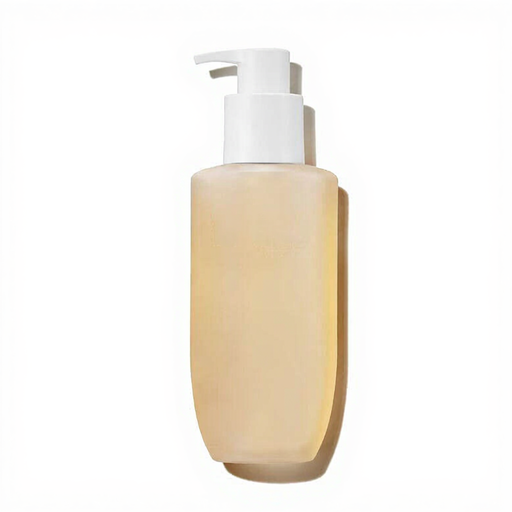
Why it suits this profile: The pump packaging produces a foamy texture, and the product instructions describe using it in the morning and evening. If you wear make-up in the evening, the advice is to use a cleansing oil first.
The product is not presented as an all-in-one make-up solution: the instructions mention using an additional cleansing oil in the evening.
200 ml contents; foamy texture; the ingredients list includes glycerine and various plant extracts, among other ingredients.
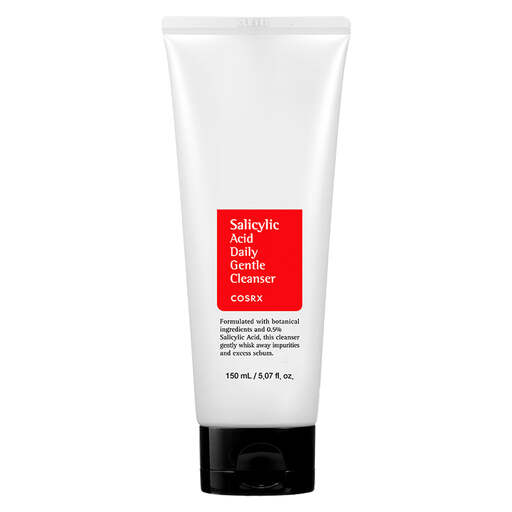
Why it suits this profile: The product description mentions a formula with 0.5% salicylic acid and is aimed at combination, oily and acne-prone skin. This makes the cleanser suitable for anyone specifically looking for this ingredient.
The salicylic acid concentration is stated in the product information. This allows you to compare more effectively instead of relying on a vague claim about “pure” skin.
150 ml contents; 0.5% salicylic acid according to the product description; also contains tea tree oil and willow bark water.
We have put together a complete, up-to-date list of products that fully meet these strict selection criteria and the applicable European safety regulations.
Use lukewarm water and avoid rubbing hard, especially around the eyes. Apply a gel or foam cleanser to damp skin, unless the packaging explicitly instructs you to use it on dry skin. Rinse thoroughly and pat your skin dry with a clean towel.
If you are wearing make-up or a lot of sun cream, double cleansing may be useful:
If you have sensitive skin, carry out a patch test first. Stop using the product if you experience redness, itching, swelling or a burning sensation. A facial cleanser is intended for external use; persistent skin concerns require advice from a GP or dermatologist.
For most routines, cleansing once in the evening is sufficient. In the morning, water or a mild facial cleanser may be suitable, depending on sebum production, your night-time skincare and how your skin feels. Dry skin does not automatically need to be washed twice a day with a foaming cleanser.
Look for a short, straightforward ingredients list and avoid known personal triggers. A low pH cleanser, cleansing milk or fragrance-free foam cleanser may be a practical choice. Always check the current packaging, as formulations can change.
Follow the expiry date and the open-jar symbol indicating the period after opening on the packaging. Store the product somewhere cool and dry, close the packaging properly and do not share the cleanser with others. Has the scent, colour or texture changed? It is best not to use the product any longer.
