
Vandaag of morgen in huis

Kwaliteit gegarandeerd

Welkomstaanbiedingen ontgrendelen: GRATIS bezorging | Tot 80% korting | Gratis 30 dagen JoyPlus-proefperiode
Download de app
A facial cleanser may seem like a simple product, but you will quickly notice if you make the wrong choice. Dry skin can feel tight, oily skin may become shiny more quickly, while sensitive skin can react to fragrance or active ingredients. If you focus solely on terms such as “deep cleansing”, “pore cleanser” or “for blemishes”, you also risk buying a formula that is unsuitable for daily use.
In this buying guide, you’ll discover what to look for in a face wash, facial cleansing foam or facial cleansing gel. The selection below is based on verifiable details such as skin type, volume, texture and listed ingredients.
A formula that foams heavily can feel thorough, but a clean feeling does not automatically mean that your skin will remain comfortable. Certain cleansing agents, alcohol or fragrance can be undesirable, especially for dry or sensitive skin. Check the ingredients list and don’t focus solely on the marketing name.
Salicylic acid, tea tree, matcha, centella and houttuynia are often found in Korean facial cleansers. That does not automatically make a formula suitable for everyone. A salicylic acid facial cleanser may be worth considering for oily or combination skin, but use it according to the product information and stop if irritation occurs. Also pay attention to other ingredients, such as fragrance, essential oils and preservatives.
Pores cannot permanently “close”. According to the manufacturer or product description, a product may help remove excess sebum and dirt, making the skin appear smoother temporarily. Treat terms such as “pore minimising” as a description of the expected use, not a guaranteed result.
Start by choosing according to your daily needs:
Salicylic acid is often used in products for oily skin and clogged pores. The NIVEA DERMA Skin Clear Cleansing Gel lists salicylic acid alongside niacinamide. According to the product description, the gel is aimed at skin with blemishes and excess sebum. The same information states that the formula is fragrance-free.
Other products may contain tea tree oil, citrus extracts or fragrance. According to its ingredients list, the cleanser contains 0.5% salicylic acid, tea tree oil and willow bark water. The Some By Mi formulas contain, among other ingredients, matcha and exfoliating ingredients. If you have sensitive skin, start with a small amount and always follow the warnings on the packaging.
Don’t compare the price alone; consider the volume and dosage too. The products in this selection range from 50 ml to 170 g. A foaming pump bottle is practical for morning and evening use, while a gel or tube can be convenient when you want to control the amount yourself.
A facial cleanser is generally used on a damp face. Massage gently, avoid the eye area and rinse thoroughly with lukewarm water. Rubbing hard or cleansing for longer does not make a formula more effective and may instead cause discomfort.
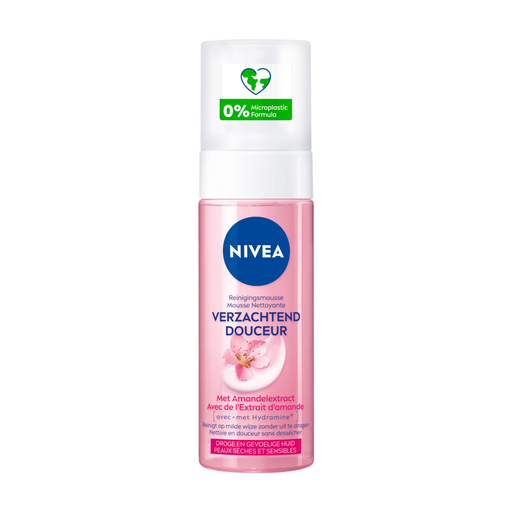
Why it suits this profile: This 150 ml face wash has a foaming texture and, according to the product description, is intended for dry and sensitive skin. The formula contains almond oil and Hydramine.
The product description explicitly mentions cleansing without drying out the skin. However, check the stated fragrance warning if you are sensitive to it.
150 ml; gentle foam formula; almond oil according to the ingredients information.
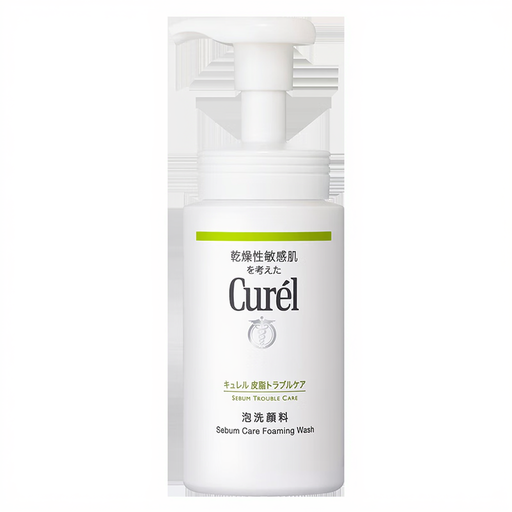
Why it suits this profile: According to the product information, this facial cleansing foam is aimed at dry and sensitive skin. Its stated features include being fragrance-free, hypoallergenic and pH-balanced.
The focus is not on aggressive “deep cleanse” language, but on gentle cleansing and moisture retention. Check the current packaging for the full ingredients list.
150 ml; foam formula; fragrance- and colour-free according to the product description.
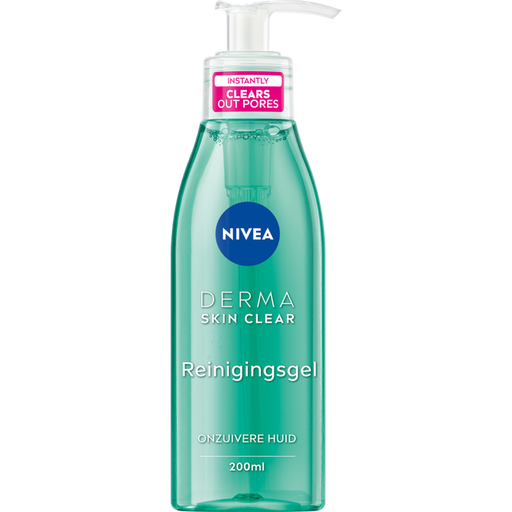
Why it suits this profile: According to the product information, this 150 ml facial cleansing gel contains salicylic acid and niacinamide and is intended for oily, blemish-prone skin.
The ingredients are clearly listed, allowing you to take the presence of salicylic acid into account instead of relying solely on the term “acne”.
150 ml; fragrance-free formula according to the product description; salicylic acid and niacinamide listed.
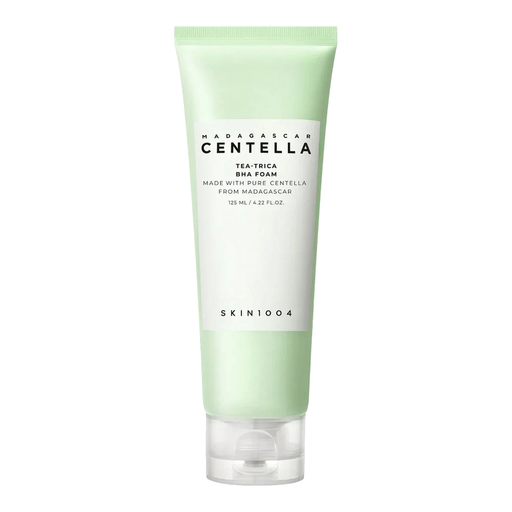
Why it suits this profile: According to the product description, this Korean facial cleanser combines centella asiatica, tea tree oil and a pH value of 5.5. The volume is 125 ml.
The stated pH value and ingredients provide more useful guidance than a general pore-related claim. Tea tree oil may be something for some users to consider.
125 ml; pH 5.5 according to the product information; centella asiatica and tea tree oil listed.
We’ve put together a complete, up-to-date list of products that fully meet these strict selection criteria and the applicable European safety regulations.
You can use a cleanser for oily skin once or twice a day if your skin tolerates it well. With a cleanser for dry skin, once a day, for example in the evening, may be sufficient. Don’t combine several exfoliating products straight away when starting with salicylic acid, BHA or PHA.
Look for a gentle formula with as few known potential irritants as possible. A facial cleanser for sensitive skin is not automatically suitable for everyone. Check for fragrance, essential oils and active acids, and test a new product on a small area of skin first.
It can be, depending on the formula and your skin type. Follow the usage instructions on the packaging and pay attention to any tightness after washing. A gentle foam can be practical for everyday use, while a strongly degreasing formula may be less comfortable for dry skin.
This depends on the volume and the amount used per wash. A 150 ml pack will generally last longer than a 50 ml product when used sparingly, but the exact duration varies from person to person. Store the facial cleanser according to the instructions and check the shelf-life information on the packaging.
