
Vandaag of morgen in huis

Kwaliteit gegarandeerd

Welkomstaanbiedingen ontgrendelen: GRATIS bezorging | Tot 80% korting | Gratis 30 dagen JoyPlus-proefperiode
Download de app
A facial cleanser may seem like a simple product, but there are significant differences between a face wash, cleansing foam, cleansing mousse and cleansing milk. A formula that produces a lot of foam may feel uncomfortable on dry skin, while a gentle facial cleanser may be less suitable for heavy make-up or excess sebum.
The right choice is therefore about more than just a fresh fragrance or a rich lather. Consider your skin type, the ingredients list, when you use the product and how effectively it removes make-up and sun cream.
A rich lather feels clean, but on its own it says little about a product’s cleansing power. A facial cleanser may foam generously because of certain surfactants, while a gel, milk or mousse that produces little foam may also be suitable for everyday use.
Always check the full product description and recommended use. A formula for dry or sensitive skin does not need to produce an intense lather to remove dirt and excess sebum.
Brands sometimes associate ingredients such as hyaluronic acid, glycerine, almond oil or plant extracts with hydration. A brand’s own research may link these ingredients to specific results, but such claims will not necessarily apply to every user in the same way.
Also check whether a product contains fragrance, essential oils or alcohol. These ingredients are not automatically unsuitable, but some people with sensitive skin may find them less comfortable. For example, NIVEA lists fragrance and warns that fragrances may cause allergic reactions.
A face wash can remove everyday impurities and skincare residue, but waterproof mascara, long-lasting foundation and some sun filters often require an initial cleansing step. A cleansing milk or facial make-up remover may be more practical for this.
SKIN1004 advises that, when using the Madagascar Centella Hyalu-Cica Gentle Cleansing Milk, you may wish to follow up with a second cleanser if you are wearing heavy make-up. This is usage advice from the product information, not a guarantee that every type of make-up will be completely removed.
Ingredients are generally listed in descending order of concentration. Look out for cleansing agents, humectants and fragrances. Also check the net contents, such as 100 ml, 125 ml, 150 ml or 200 ml. A twin pack may appear to offer better value, but compare the total contents with how much you use each day.
The expiry information and batch number for the products mentioned can be found on the packaging. Do not use a product if its fragrance, colour or texture has clearly changed. Also follow the European safety information on the label, including warnings about external use and contact with the eyes.
A cleansing foam is quick to spread with water and works well as part of a short morning or evening routine. Milk is usually massaged into dry skin and is useful as a first step when wearing make-up. A product with a pump dispenser is practical when you want to use the same amount every day, while a tube is easy to take with you and can be securely closed.
Wash with lukewarm water and massage gently, without applying pressure. Rinse thoroughly and pat your skin dry. Stop using the product if you experience redness, itching or irritation, and consult a doctor or dermatologist if symptoms persist.
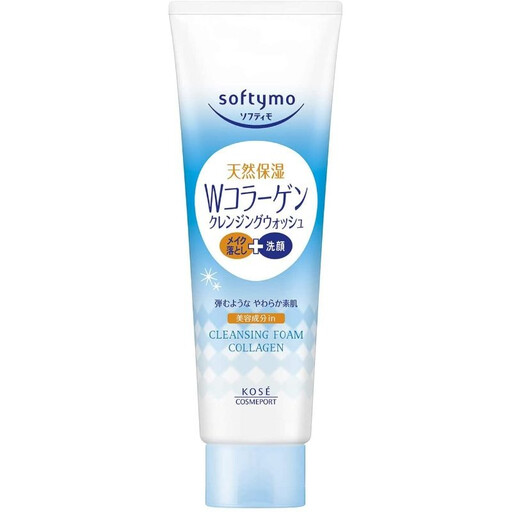
Why it suits this profile: This Japanese facial cleanser contains 190 g and is intended for use in the morning and evening. That makes it a practical choice for anyone looking to start with one simple foaming cleanser.
The instructions specify using a suitable amount, massaging gently and rinsing thoroughly. This keeps cleansing simple without vigorous rubbing.
Japan as the country of origin; 190 g contents; suitable for a consistent morning and evening routine according to the product information.
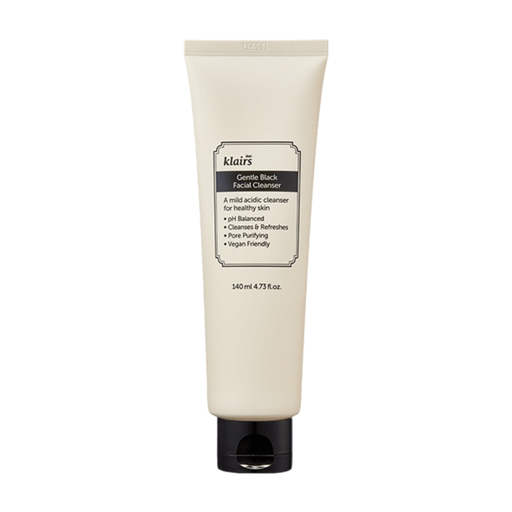
Why it suits this profile: The mildly acidic formula contains ingredients including glycerine, ceramide NP and hydrolysed hyaluronic acid. According to the product description, this Korean facial cleanser is designed to cleanse sensitive skin gently.
The ingredients and use as a foaming cleanser make it clear what you are buying. However, always check the current packaging and carry out a patch test first if you have sensitive skin.
140 ml contents; ingredients including glycerine, ceramide NP and hyaluronic acid; product information states that it has been tested for use around the eyes and on sensitive skin.
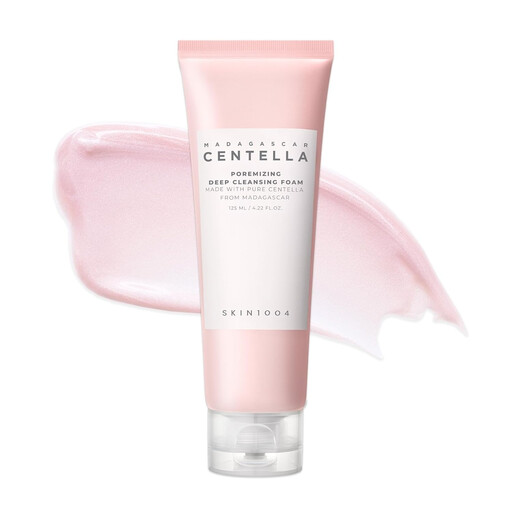
Why it suits this profile: This cleansing foam is aimed at excess sebum, make-up residue and impurities. According to the product description, the formula contains Himalayan salt, kaolin and Centella asiatica.
The product information clearly states that it is intended for pores and excess sebum. Do not use it more often or scrub harder than necessary, particularly if your skin tends to feel tight.
125 ml contents; kaolin and Himalayan salt are listed in the product description; suitable as a targeted pore cleanser within an evening routine.
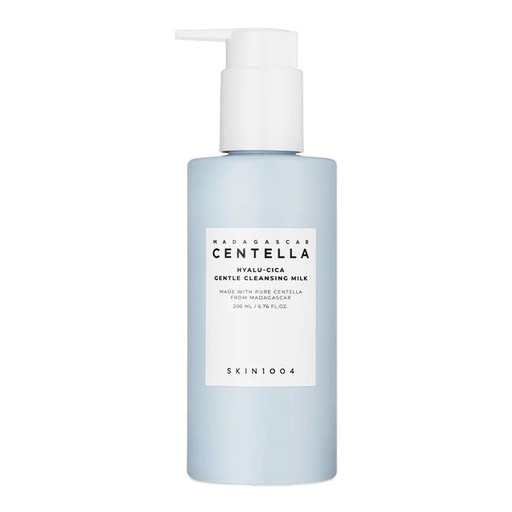
Why it suits this profile: According to the instructions, the milky texture is applied to a dry face. This makes it suitable for anyone who wants to loosen make-up or sun cream before using a second cleanser.
The instructions distinguish between a normal and a heavy make-up routine. This means you should not expect one product to remove every type of make-up in a single step.
200 ml contents; contains ingredients including glycerine, panthenol, ceramide NP and Centella asiatica extract; intended for dry, sensitive, dehydrated and normal skin according to the product information.
We have put together a complete, up-to-date list of products that fully meet these strict selection criteria and the applicable European safety regulations.
For many adults, cleansing once in the evening and, if preferred, using a gentle cleanser in the morning works well. If you have dry or sensitive skin, you can start by cleansing once a day. Pay attention to how your skin feels after rinsing: persistent tightness may indicate that the formula or frequency of use is not right for you.
That depends on the type of make-up and the formula. A cleansing foam may remove light residue, but waterproof or long-lasting make-up often requires a facial make-up remover, cleansing milk or oil first. You can then cleanse again with a face wash if needed.
Check the expiry date, batch information and any period-after-opening symbol on the packaging. Store the product according to the instructions, usually tightly closed, at room temperature and away from direct sunlight. If the fragrance, colour or texture changes, stop using the product.
