
Vandaag of morgen in huis

Kwaliteit gegarandeerd

Welkomstaanbiedingen ontgrendelen: GRATIS bezorging | Tot 80% korting | Gratis 30 dagen JoyPlus-proefperiode
Download de app
A facial cleanser may seem like a simple product, but your choice affects how comfortable your skin feels after washing. Are you looking for a Korean skincare cleanser, a facial cleansing gel or a foaming facial cleanser? You will soon come across terms such as “deep cleansing”, “pore-purifying” and “barrier repair”. Descriptions like these do not always tell you enough about the day-to-day experience of using a product.
So pay particular attention to the ingredients list, the pH level and how your skin feels after rinsing. Below, you will find the key points to consider, along with some product options for different skin types.
Skin that feels tight or squeaky-clean is not necessarily better cleansed. This sensation may also mean that a lot of the skin’s natural oils have been removed. This can be uncomfortable, particularly if you have dry or sensitive skin.
A gentle facial cleanser should remove dirt, sweat and excess sebum without leaving you with a persistent dry or stinging sensation. Always rinse thoroughly with lukewarm water and pat your skin dry rather than rubbing it vigorously.
Words such as “hypoallergenic”, “dermatologically tested” or “suitable for all skin types” do not guarantee that a product will feel comfortable for everyone. Check the ingredients too. Fragrances, essential oils, menthol or certain exfoliating ingredients may be less suitable for some users.
According to the product information provided by Beauty of Joseon, the Green Plum Refreshing Cleanser is fragrance-free, contains no essential oils and is suitable for all skin types. These are verifiable product specifications, but individual sensitivities are still possible.
A salicylic acid cleanser may be appealing if you have oily or blemish-prone skin, but using it more often does not automatically produce better results. According to the product description, Salicylic Acid Daily Gentle Cleanser contains 0,5% salicylic acid. The manufacturer recommends daily use, but if you have sensitive skin, it is sensible to start gradually and monitor how your skin reacts.
If irritation, redness or swelling persists, stop using the product and seek medical advice.
The term low-pH facial cleanser generally refers to a formula that is less alkaline than traditional soap. Product information from Dr. Althea states a pH of 5,0–6,0. SKIN1004 gives a pH of 5,5 for the Centella Tea Tree Cleanser. Low pH Good Morning Cleanser is also marketed as a low-pH formula.
A product’s pH level is useful information, but it is not the only criterion. The cleansing agents, fragrances and active ingredients used also determine how the product feels on your skin.
Do not compare only the price of a tube; consider the size too. In this range, sizes vary from 50 ml to 200 ml. A mini size is handy for travelling or for trying a product before committing to a larger one. Also check the expiry date on the packaging and the period after opening, for example “12M”.
Most products are used on a damp face: lather a small amount between your hands, massage gently and rinse with lukewarm water. The IUNIK Calendula Balancing Foam Gel Cleanser also describes an evening method in which the gel is first massaged into dry skin and then lathered with water.

Why it suits this profile: A straightforward 100 ml gel cleanser for anyone looking to build a simple daily routine and start with a modest-sized product.
The product information states that it is fragrance-free and contains no essential oils. Always check the full ingredients list yourself before buying.
100 ml, gel texture, glycerine and plum water according to the ingredients list; suitable for use on a damp face.
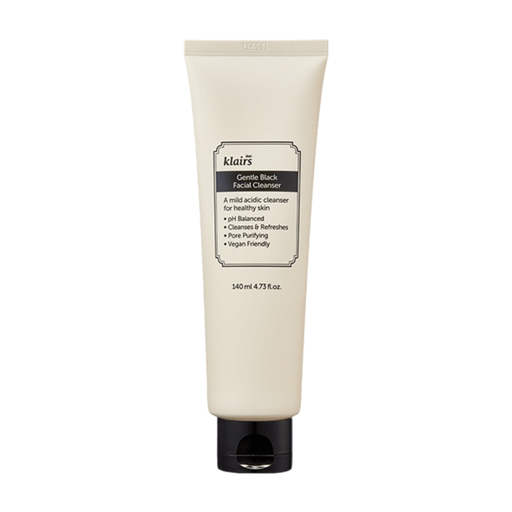
Why it suits this profile: Suitable for users who look for a mildly acidic formula and a comprehensive ingredients list including glycerine, ceramide NP and hydrolysed hyaluronic acid.
The product description calls it a gentle, mildly acidic product and specifies eye-irritation and cleansing tests. This does not replace an individual assessment of your skin.
140 ml, mild cleansing agents such as sodium cocoyl glycinate and sodium lauroyl glutamate, plus ceramide NP in the ingredients list.

Why it suits this profile: Designed for anyone looking for a cleanser for blemish-prone or oily skin and who deliberately wants to include an exfoliating ingredient.
The salicylic acid content is stated as 0,5%, allowing you to compare a specific ingredient rather than relying on a general claim.
150 ml, salicylic acid, tea tree oil and willow bark water according to the product information; a patch test is recommended.
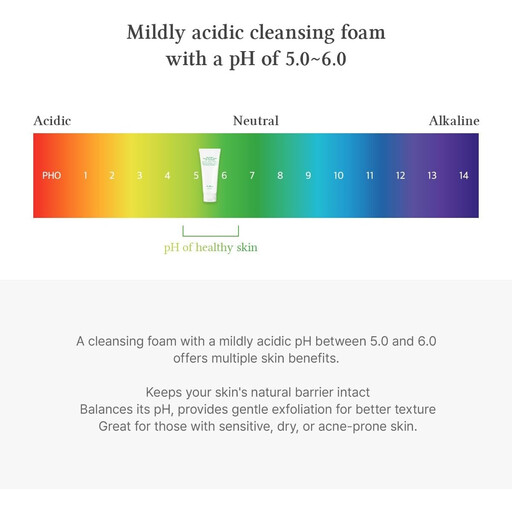
Why it suits this profile: An option for anyone specifically looking for an amino acid-based gel cleanser with a pH of 5,0–6,0, as stated in the product information.
The pH and cleansing agents used are clearly described. However, take note of the bergamot oil, sage oil, limonene and linalool listed if you are sensitive to these ingredients.
100 ml, gel texture, amino acid- and coconut-based cleansing agents, plus glycerine, betaine and hyaluronic acid in the ingredients list.
We have put together a complete, up-to-date list of products that fully meet these strict selection criteria and the applicable European safety regulations.
If you are wearing waterproof make-up or heavy sun cream, consider using a separate cleansing oil or micellar product first. Always check the instructions for the facial cleanser you have chosen.
For most people, cleansing once in the evening is enough to remove dirt, sweat and sun cream. You can cleanse again in the morning if your skin feels oily. If you have dry or sensitive skin, using only lukewarm water in the morning may feel more comfortable.
Often, yes. A gel texture feels lightweight and can remove excess sebum. Also check the cleansing agents in the ingredients list and avoid a product that leaves your skin feeling tight after every use. A low-pH facial cleanser can be a practical choice for daily use.
This depends on how much you use per wash and the size of the product. A 150 ml tube will generally last longer with daily use than a 50 ml pack, but exact consumption varies. If you wish, note the date when you open it and follow the shelf-life information on the packaging.
