
Vandaag of morgen in huis

Kwaliteit gegarandeerd

Welkomstaanbiedingen ontgrendelen: GRATIS bezorging | Tot 80% korting | Gratis 30 dagen JoyPlus-proefperiode
Download de app
A facial cleanser seems simple: apply, rinse and you’re done. Yet many people buy a product that cleanses too aggressively, does not suit their skin type or relies mainly on attractive marketing claims. For example, a tight feeling after washing does not automatically mean your skin is thoroughly clean. It may also indicate that the formula is removing too much of your skin’s natural oil.
This buying guide helps you compare your options with confidence. You’ll discover what to look for in a facial cleansing gel, facial cleansing foam, pore cleanser or facial cleanser for acne-prone skin.
A richly foaming cleanser feels refreshing, but lots of foam is not a reliable measure of cleansing power. A cleanser for oily skin should remove excess sebum and sun cream residue without leaving your skin feeling tight or dry for a prolonged period.
So don’t just look for terms such as “deep cleansing”. Also check the recommended skin types, directions for use and ingredients list.
Pores cannot be permanently scrubbed away or closed. Products labelled “pore minimising” generally focus on removing sebum and dirt, which may temporarily leave the skin feeling smoother or make pores appear less visible.
According to the product information from Kao Biore, the Pore Refiner is designed to remove excess oil, dirt and impurities. This is a verifiable product description; it is not a guarantee of a lasting change in pore size.
A salicylic acid facial cleanser, scrub or product containing acids may be useful for oily skin or blackheads. At the same time, salicylic acid, AHA, PHA, essential oils and exfoliating particles may be too intense for some users.
Always check the full INCI list. If you have sensitive or acne-prone skin, a patch test is advisable. Stop using the product if you experience redness, itching or a burning sensation, and avoid applying it to damaged skin.
Start by choosing based on your everyday needs:
A gentle facial cleanser is usually enough in the morning. In the evening, double cleansing can be useful if you are wearing waterproof make-up or stubborn sun cream.
Ingredients are listed in descending order of quantity, with exceptions for certain ingredients. Pay particular attention to:
Claims such as “hypoallergenic”, “dermatologically tested” or “natural” do not tell you exactly how your skin will react. Treat these terms as additional information, not conclusive proof.
A 100 ml tube, a 150 ml bottle and capsules containing 32 pieces cannot be compared like for like. Consider:
Use lukewarm water, massage with clean hands and dry your face by gently patting it. Vigorous rubbing or daily exfoliation can put unnecessary stress on the skin.
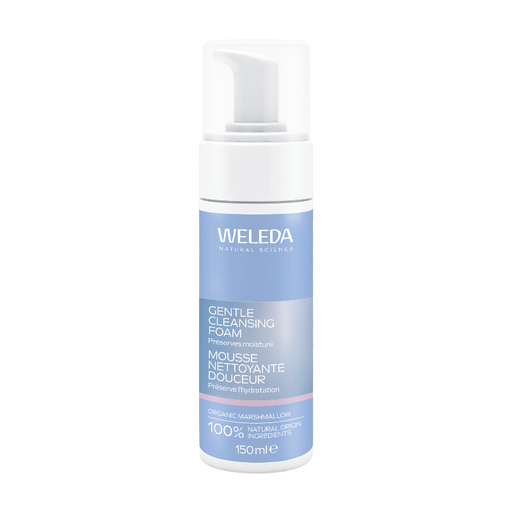
Why it suits this profile: The mousse is easy to use and, according to the product information, is intended for normal and combination skin. The formula is based on natural ingredients and contains organic witch hazel.
The product description focuses on gentle cleansing rather than exaggerated pore claims. However, check that natural fragrance components are suitable for your skin.
150 ml, a mousse texture and intended for normal and combination skin.

Why it suits this profile: This Korean facial cleanser has a gel texture and, according to the ingredients list, contains plum water, glycerine and mung bean seed extract, among other ingredients.
The product details state that it contains neither fragrance nor essential oil. This may be relevant if you prefer to limit fragrance ingredients.
Gel texture, 100 ml and, according to the product details, suitable for all skin types.
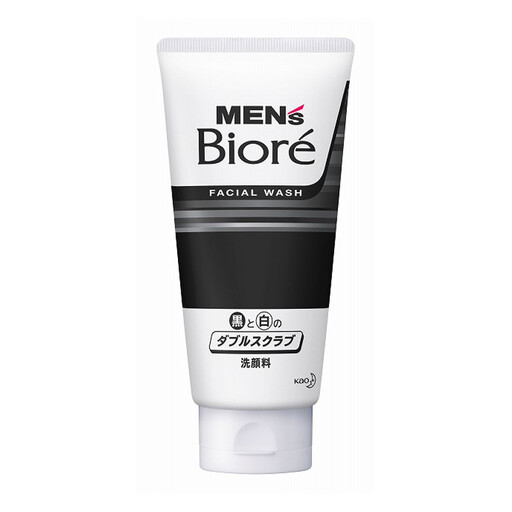
Why it suits this profile: The product description mentions black and white exfoliating particles, menthol and a fresh citrus scent. This makes it suitable for users looking for a more intensive cleansing sensation.
The warnings explicitly state that you should not use the product on cuts or irritated skin. This makes the usage limits clear.
130 g, two types of exfoliating particles and menthol for a cooling sensation.
We’ve put together a complete, up-to-date list of products that fully meet these strict selection criteria and the applicable European safety regulations.
For many people, once in the morning and once in the evening is sufficient. If you have sensitive or dry skin, cleansing only in the evening may feel more comfortable. Always follow the label and pay attention to how your skin reacts.
This depends on the contents and the amount used each time. A 150 ml pack will generally last longer with daily use than a 50 ml tube. With capsules, the dose per wash is fixed. Store the product in a cool, dry place away from direct sunlight and check the shelf life on the packaging.
A facial cleansing gel with salicylic acid, a clay-based formula or a pore cleanser may be suitable for oily skin. Do not automatically choose the most intensive option. Start according to the directions for use, avoid combining too many exfoliating products and switch to a gentle facial cleanser if your skin starts to feel tight or irritated.
