
Vandaag of morgen in huis

Kwaliteit gegarandeerd

Welkomstaanbiedingen ontgrendelen: GRATIS bezorging | Tot 80% korting | Gratis 30 dagen JoyPlus-proefperiode
Download de app
Choosing a facial cleanser might seem straightforward, but the range on offer is vast. Should you go for a cleansing oil, cleansing foam, gel cleanser or micellar water? And is a Korean facial cleanser suitable for sensitive, dry, oily or acne-prone skin?
The right choice doesn't just depend on an appealing label like "mild" or "nourishing". You should always check the ingredients, usage instructions and texture. That way, you can avoid paying too much for a product that leaves your skin feeling tight or doesn't cleanse it properly.
Plant-based oils and extracts can feel pleasant, but even natural fragrances can cause irritation for some people. So always look at the full ingredients list. Pay particular attention to perfume, essential oils and any ingredients you've reacted to before.
A facial cleanser for sensitive skin shouldn't just sound gentle in the product name. The formula, duration of use and instructions matter more than marketing terms.
A rich cleansing foam can give a clean feeling, but a strongly degreasing formula can leave your skin feeling uncomfortable. That doesn't mean every foam cleanser is unsuitable. Check which cleansing agents are used and whether the product is intended for daily use according to the description.
Double cleansing usually consists of an oil or cream base as the first step, followed by a water-based product such as a gel cleanser or cleansing foam. This can be practical for removing make-up, sunscreen and sebum, but on a quiet day without make-up, one suitable cleanser is often enough.
Don't automatically use a cleansing oil twice in a row. An overly elaborate routine can take up unnecessary time and may be less comfortable for some skin types.
Choose the texture based on what you want to remove:
A low pH cleanser is formulated with a lower acidity level. The product description may indicate that the formula is designed to preserve the skin's natural feel. Also check the actual ingredients, such as glycerine, betaine, amino acid-based cleansers or surfactants.
A low pH alone doesn't automatically make a product suitable for everyone. Also look out for perfume, essential oils and exfoliating ingredients.
Centella Asiatica, also known as Centella, appears in several Korean formulas. A Centella facial cleanser could be of interest if you're looking for a formula containing this plant extract. According to the product descriptions from various brands, Centella is used for a comfortable cleansing feel; this is a brand claim and not a guarantee of a particular skin result.
For acne-prone skin, a product with salicylic acid might seem appealing. The Salicylic Acid Daily Gentle Cleanser contains 0.5% salicylic acid according to the product information. That is a verifiable product specification, but the product should not be seen as a medical treatment. For persistent skin concerns, advice from a doctor or dermatologist is more sensible.
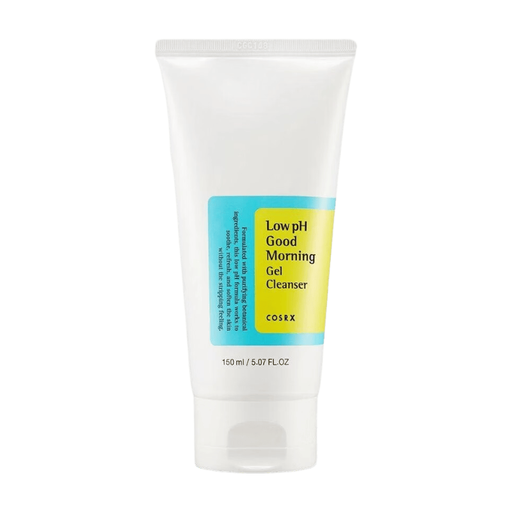
Why this suits the profile: The gel texture, 150 ml content and suitability for both morning and evening use make this a straightforward choice for a simple daily routine.
The product description mentions a low-pH formula and instructions for use on a wet face. This means you don't need a separate make-up step when you only want to remove daily dirt and sebum.
Gel texture, 150 ml content, low-pH positioning and an ingredients list including glycerine, tea tree oil and betaine salicylate.
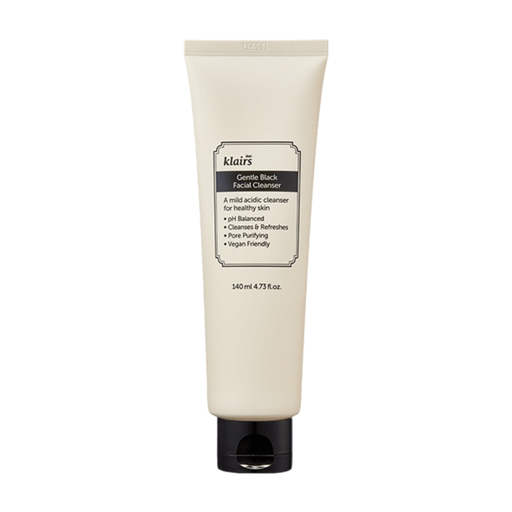
Why this suits the profile: If you pay attention to a comprehensive ingredients list and a creamy foam texture, you'll find a product here with various hydrating and skin-nourishing components.
The product information mentions a mildly acidic formula and provides a full ingredients list. That makes comparison easier than relying solely on a claim like "gentle".
140 ml content, Sodium Cocoyl Glycinate and Sodium Lauroyl Glutamate as cleansing agents, plus glycerine, ceramide NP and Centella Asiatica extract among others.
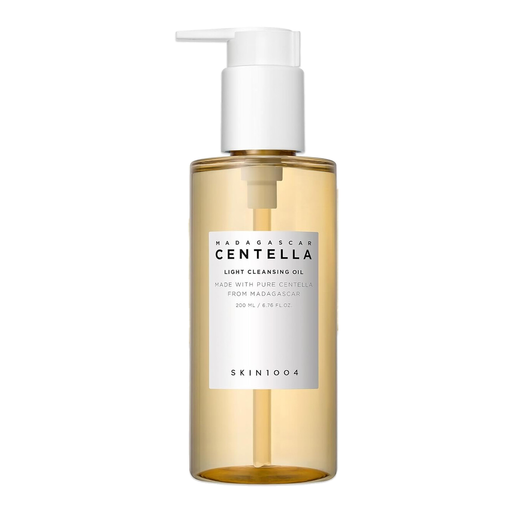
Why this suits the profile: This cleansing oil is aimed at users who want to dissolve make-up, sunscreen and sebum as the first step of a double cleansing routine.
The instructions specify applying to dry skin, massaging in and then emulsifying with water. This makes it clear how to rinse away any oil film after cleansing.
200 ml content, six plant-based oils according to the product description and Madagascar Centella extract. The oil is designed to be emulsified with lukewarm water.
Apply a cleansing oil to a dry face with dry hands. Massage gently, add a little water and rinse off. Then use a gel cleanser or cleansing foam if desired.
For a water-based cleanser, wet your face and hands, distribute a small amount and massage briefly. Lukewarm water is usually more practical than hot water. Pat the skin dry instead of rubbing vigorously.
Use micellar water or a make-up remover according to the label. Even when a product doesn't need to be rinsed off, a second cleansing step can be pleasant if you're applying skincare afterwards.
If you have sensitive skin, first do a small patch test on a limited area. Stop if you experience redness, itching, a burning sensation or swelling, and follow the safety instructions on the packaging.
We've put together a full, up-to-date list of products that fully meet these strict selection criteria and comply with current European safety regulations.
For many routines, once in the evening is sufficient, especially if you've worn make-up, sunscreen or had a lot of sebum during the day. Some products are suitable for both morning and evening use according to the packaging. If your skin feels tight, use less product or cleanse less frequently.
Check the expiry date and the jar-open symbol on the packaging. Some products, for example, indicate a period after opening. Keep the bottle tightly closed, cool and dry, and out of direct sunlight, as stated in the product instructions.
The price depends on the size, brand, texture and ingredients. So don't just compare the bottle price, but also the content in millilitres and the daily usage. A 200 ml bottle can be more economical for daily use than a 50 ml mini, while a mini is handy for travel or for trying out a formula first.
