
Vandaag of morgen in huis

Kwaliteit gegarandeerd

Welkomstaanbiedingen ontgrendelen: GRATIS bezorging | Tot 80% korting | Gratis 30 dagen JoyPlus-proefperiode
Download de app
A facial cleanser may seem like a simple product, but the range varies considerably. Are you looking for a daily face wash, a facial cleansing gel for oily skin or a cleanser for acne-prone skin? It can be tempting to focus solely on terms such as “deep cleansing”, “pore cleanser” or “refreshing”.
Those words alone do not tell you much. A product may cleanse thoroughly but still feel uncomfortable on sensitive skin. A scrub may leave your skin feeling smooth, but that does not automatically make it suitable for daily use. And a product containing salicylic acid is not a substitute for professional skincare or medical advice.
Some people see a tight feeling after washing as proof that their skin is thoroughly clean. In reality, it may also mean that the formula is too drying for your skin. So check the full ingredients list rather than relying only on the front of the packaging.
For daily use, a gentle cleansing gel is often more practical than an aggressive formula. A low-pH cleanser or facial cleansing gel containing glycerine can feel comfortable when you want to remove excess sebum without leaving your skin feeling tight after rinsing.
A cleanser with exfoliating particles can help loosen dirt and sebum mechanically. How it works depends on the size and structure of the particles, as well as how often and how vigorously you wash. Exfoliating particles may be less suitable for sensitive or irritated skin.
Use a facial scrub cleanser with gentle movements and stop if you experience redness, itching or a burning sensation. Avoid using it on cuts, eczema or other skin abnormalities.
Salicylic acid, glycolic acid and other exfoliating ingredients are found in products designed for blemishes, blackheads and blocked pores. According to the product information provided by the relevant brands, these ingredients may help remove dead skin cells or excess sebum. However, this result is not guaranteed for every user.
Check the recommended frequency, do not combine several acidic products without careful consideration, and use sun protection during the day when this is stated on the label. For persistent or severe skin problems, seeking advice from a doctor or dermatologist is the wiser option.
Start by choosing based on how your skin behaves:
“Suitable for all skin types” is a product description, not a personal guarantee. Always read the ingredients and usage instructions yourself.
Glycerine acts as a humectant and is found in several cleansers. Niacinamide and panthenol are often used in formulas that focus on both comfort and skincare. Products containing salicylic acid are particularly relevant for shoppers who want to tackle sebum, blackheads or blocked pores.
Also look out for ingredients you would rather avoid. Fragrance, menthol, tea tree oil or peppermint oil may be less comfortable for some users. According to the brands’ product information, individual sensitivity may occur; stop using the product if irritation develops.
The range includes everything from small 40 or 50 ml packs to 150 ml tubes and bottles. A smaller pack is handy for trying a product first or taking it with you, while 150 ml is often more practical for daily use.
Do not look only at the price per pack. Also check how much product you need per wash. A gel that lathers well may last longer than a formula that requires you to use a large amount each time. The instructions on the packaging should always take priority.
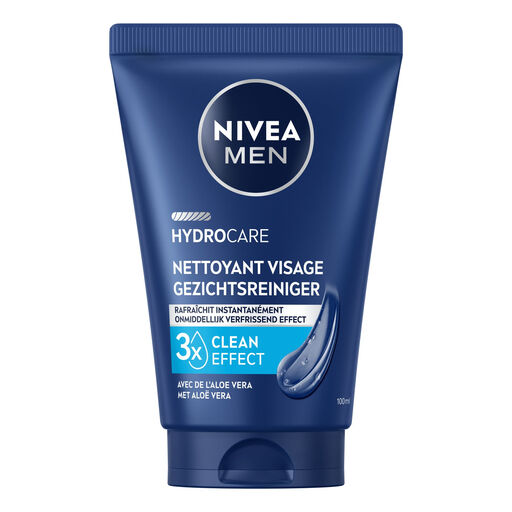
Why it suits this profile: An accessible 100 ml face wash for anyone looking for a simple daily routine without multiple steps.
The product information states that it is suitable for daily use and formulated for all skin types. However, check whether menthol, fragrance and denatured alcohol suit your skin.
100 ml, gel texture, glycerine and panthenol in the ingredients list.

Why it suits this profile: A good fit for fans of Korean facial cleansers with a light gel texture and a skincare-focused ingredients list.
The product information states that it has a hypoallergenic, fragrance-free and essential-oil-free formula. Stop using it if irritation occurs, even when a product is described as gentle.
100 ml, glycerine and several botanical extracts; according to the product information, suitable for all skin types.
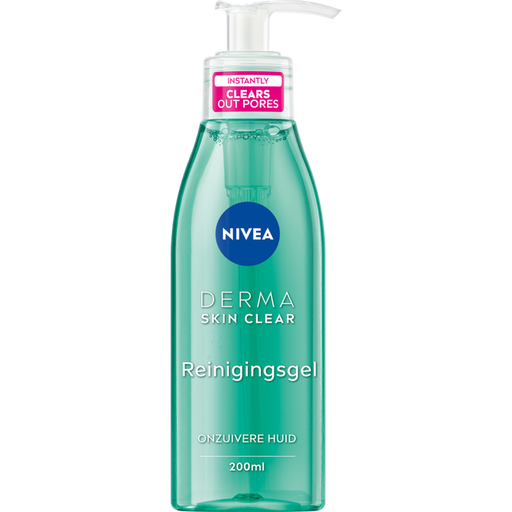
Why it suits this profile: A logical choice for anyone looking for a facial cleanser for oily skin containing salicylic acid and niacinamide.
The product information states that it has a fragrance-free formula and provides clear warnings concerning salicylic acid. Do not use several exfoliating products at the same time without good reason.
150 ml, salicylic acid and niacinamide; according to the product information, intended for blemish-prone skin.
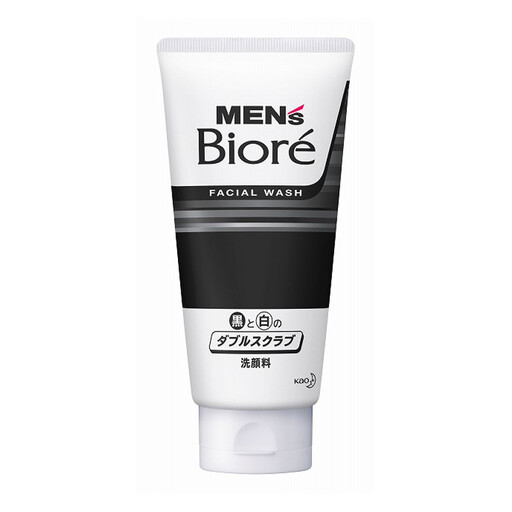
Why it suits this profile: Designed for users looking for a men’s facial cleanser with exfoliating particles and a cooling sensation.
The product information describes black and white exfoliating particles. Wash gently, keep your eyes closed and do not use it on damaged or irritated skin.
130 g, two types of exfoliating particles and menthol according to the ingredients list.
We have put together a complete, up-to-date list of products that fully meet these strict selection criteria and the applicable European safety regulations.
As a general rule, wash your face once or twice a day, depending on your skin and the product. Washing more often does not automatically improve the results. Remove make-up or sunscreen first when the instructions say to do so.
According to the product information, many products are intended for daily use, sometimes in the morning and evening. This does not mean that every skin type can tolerate the same frequency. If you have sensitive skin, start by using it less often if necessary and watch for dryness, redness or a burning sensation.
A cleanser containing salicylic acid may be worth considering if you want to tackle excess sebum, blackheads and blocked pores. Check the concentration, warnings and other active ingredients. An acne cleanser supports a cleansing routine, but it is not a medical treatment.
This depends on the size and the amount used per wash. When used sparingly, a 150 ml pack will generally last longer than a 50 ml version. Store the bottle according to the label, close the packaging securely and check the shelf-life information on the packaging.
