
Vandaag of morgen in huis

Kwaliteit gegarandeerd

Welkomstaanbiedingen ontgrendelen: GRATIS bezorging | Tot 80% korting | Gratis 30 dagen JoyPlus-proefperiode
Download de app
A facial cleanser seems simple: apply, rinse and you’re done. Yet many people buy a face cleanser that is too drying, barely suited to their skin type or mainly repeats attractive marketing promises. A facial cleansing gel can work well for everyday use, while a strong scrub or product containing acids may not be suitable for every skin type.
If you’re looking for targeted facial cleansing, it’s worth checking three things: the cleansing base, the active ingredients and how often it should be used. Below, you’ll find practical guidelines and a selection of products for different skin profiles.
A foamy cleanser often feels intensive. That doesn’t automatically mean it cleans better. A tight feeling after rinsing may indicate that the formula removes a great deal from the surface of the skin. Daily use can therefore feel uncomfortable, particularly on dry or sensitive skin.
Instead, look for gentle cleansing ingredients such as glycerine, betaine or mild surfactants. The product description and ingredients list provide more useful information than terms such as “deep clean” or “pore refining”.
A pore cleanser can remove sebum and dirt from the skin’s surface, but pores don’t disappear permanently because of a cleanser. According to a brand’s own research, ingredients may temporarily make pores look less noticeable; this is not a guarantee for every skin type.
Choose a product based on your goal: removing excess sebum, rinsing away make-up residue or cleansing your skin comfortably. Don’t use a scrub more often in the hope of getting rid of blackheads faster.
A salicylic acid cleanser, AHA/BHA product or enzyme powder may be appealing for oily or blemish-prone skin. However, don’t simply combine several exfoliating products in one routine. Brand product information warns that acids may cause irritation and increase sensitivity to sunlight.
When trying a new product, start by applying a small amount to a limited area of skin. Stop if you experience redness, itching, a burning sensation or any other irritation, and always follow the instructions on the packaging.
A facial cleansing gel is lightweight and easy to rinse off. This type is often suitable for normal, combination or oily skin. A cleansing foam feels airy and can be useful for a quick morning routine. A creamy cleanser or a gentle facial cleanser may feel more comfortable if your skin becomes dry easily.
Also check whether the product contains fragrance, essential oils or menthol. These ingredients aren’t a problem for everyone, but may be less suitable for sensitive skin.
Don’t just compare the price; compare the quantity too: many bottles contain 100 to 150 ml or grams. A capsule product, such as a powder wash, works differently from a tube of gel and requires a separate portion for each use.
For morning and evening use, a simple formula is often more practical than a product you only want to use occasionally. With acids, scrubs and enzymes, the recommended frequency is more important than having a large pack.

Why it suits this profile: The lightweight gel texture and 100 ml size make this a straightforward choice for anyone looking for an everyday Korean facial cleanser without buying several products at once.
The ingredients list includes glycerine and mild cleansing agents, among others. The product listing states that the product is free from fragrance and essential oils.
Gel texture, 100 ml, suitable for all skin types according to the product information and designed for use on the face.
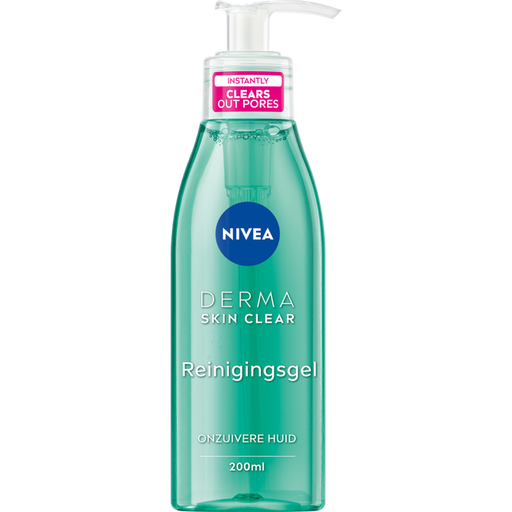
Why it suits this profile: This 150 ml cleanser is aimed at shoppers specifically looking for a salicylic acid cleanser for oily or blemish-prone skin.
The product description mentions salicylic acid and niacinamide separately. This allows you to check the active ingredients rather than relying solely on an acne claim.
150 ml, fragrance-free formula according to the product information, aimed at excess sebum and blocked pores.
We’ve put together a complete, up-to-date list of products that fully meet these strict selection criteria and the applicable European safety regulations.
A scrub, enzyme powder or bubble cleanser doesn’t automatically need to be used twice a day. Follow the manufacturer’s instructions and adjust the frequency if your skin reacts sensitively.
Look for a lightweight gel or foam cleanser that removes excess sebum without leaving a strong tight feeling. Ingredients such as salicylic acid may be included in formulas for oily or acne-prone skin. Also check for fragrance, essential oils and the recommended frequency of use.
Not always. A cleanser for acne-prone skin may contain salicylic acid, tea tree oil or other active ingredients. According to brands’ own information, these formulas are intended to care for blemishes or excess sebum, but they are not medical treatments. If skin problems persist or are severe, it’s advisable to seek advice from a doctor or dermatologist.
This depends on the quantity, dosage and frequency of use. A 150 ml pack will generally last longer with daily use than a 50 ml product, but the exact lifespan varies from person to person. Use no more than necessary and close the packaging properly after use. The expiry date or period-after-opening information is shown on the packaging.
