
Vandaag of morgen in huis

Kwaliteit gegarandeerd

Welkomstaanbiedingen ontgrendelen: GRATIS bezorging | Tot 80% korting | Gratis 30 dagen JoyPlus-proefperiode
Download de app
A facial cleanser may seem like a simple product, but the differences between a face wash, cleansing gel and cleansing foam become noticeable with daily use. A formula that cleanses too aggressively can leave your skin feeling tight. A product containing a lot of fragrance may be less suitable for sensitive skin. And a promising claim about pores or blemishes says little by itself about the ingredients or directions for use.
With this practical selection guide, you can compare facial cleansers based on skin type, cleansing base, ingredients and when to use them.
Lots of foam can feel thorough, but the amount of foam does not automatically indicate cleansing power or skin-friendliness. It is better to look at the full ingredients list. Cleansing agents such as cocamidopropyl betaine, glucosides and amino-acid-based surfactants are often used in gentler formulas, but the overall composition and your skin’s reaction are important too.
Words such as “anti-acne”, “deep pore” or “purifying” do not guarantee a particular result. According to the brand’s product description, a formula may, for example, help remove excess sebum. That is different from having a medical effect. If you have persistent skin problems, advice from a GP or dermatologist is more appropriate than repeatedly switching cleansers.
“For all skin types” does not mean that the product will feel the same for everyone. Oily skin may benefit from a fresh cleanse, while dry or sensitive skin is more likely to remain comfortable with glycerine, panthenol or other hydrating ingredients. Also check whether the product contains fragrance, alcohol, menthol, essential oils or exfoliating acids.
A Korean facial cleanser or Japanese facial cleanser is not automatically gentler than a European product. Its origin matters less than the ingredients, pH information, warnings and directions for use.
For a gentle facial cleanser or a facial cleanser for sensitive skin, look for glycerine, panthenol, betaine, ceramides and mild cleansing agents. Avoid ingredients that you have reacted sensitively to in the past. A product described as “hypoallergenic” will not prevent a reaction in everyone.
For a facial cleanser for oily skin, ingredients such as salicylic acid may be worth considering. According to the brand’s product description, the Salicylic Acid Daily Gentle Cleanser contains 0.5% salicylic acid. This is a verifiable product specification, but it is not a guarantee that blemishes will be reduced. An acne facial cleanser remains a cosmetic cleansing product.
A 100 to 150 ml bottle is convenient for daily use and easy to take with you. A 200 ml pump bottle may work out better value when several people use the same product. Use lukewarm water, massage without rubbing hard and follow the instructions on the packaging.
The shelf life, batch code and period after opening are shown on the packaging of many products. Store your cleanser in a cool, dry place, close the packaging properly and stop using it if you experience redness, itching or a burning sensation. Avoid contact with the eyes.
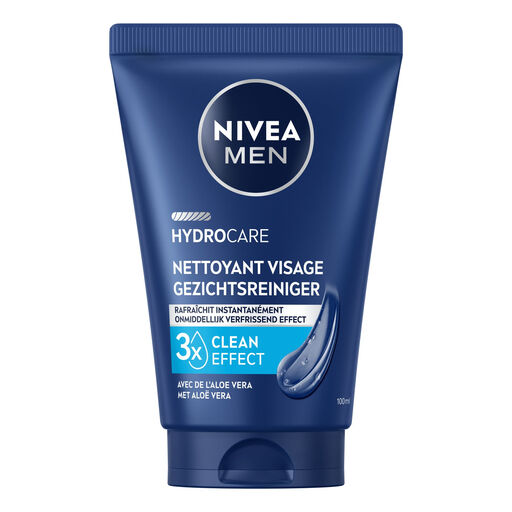
Why it suits this profile: A straightforward face wash for anyone who wants to cleanse daily without an elaborate routine.
The product description mentions daily use and the removal of dirt and excess sebum. However, check for fragrance, menthol and alcohol if your skin is sensitive to them.
100 ml; contains glycerine, panthenol and aloe vera according to the ingredients list; gel texture.

Why it suits this profile: A Korean cleansing gel for anyone who values a comfortable, lightweight texture as well as clean skin.
The listed ingredients do not contain fragrance and include glycerine and plant extracts. Check the current packaging when purchasing.
100 ml; gel formula; product information states that it is suitable for all skin types and provides hydration.

Why it suits this profile: An interesting option for anyone looking for a cleanser for oily, combination or blemish-prone skin and specifically considering an acid.
The product information states the concentration of 0.5% salicylic acid. Introduce it gradually and stop if irritation occurs; do not thoughtlessly combine it with other exfoliants.
150 ml; contains salicylic acid and tea tree oil according to the ingredients list; usage warning and patch-test advice available.
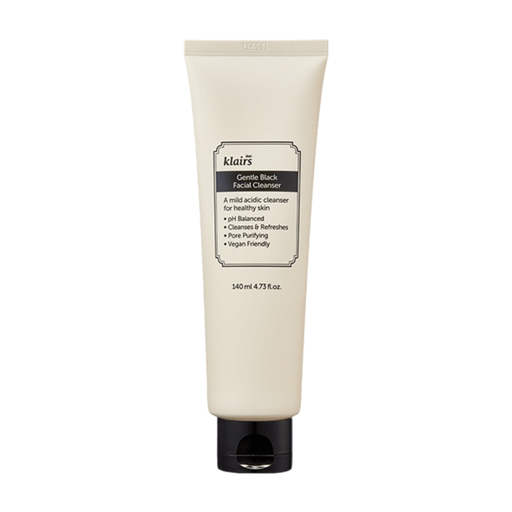
Why it suits this profile: A mildly acidic, creamy cleanser for anyone looking for gentle daily facial cleansing without complicated steps.
The product information mentions mild cleansing agents and a fragrance-free formula. A personal patch test is still sensible if you have reactive skin.
140 ml; ingredients list contains glycerine, beta-glucan, hyaluronic acid and ceramide NP.
We have put together a complete, up-to-date list of products that fully meet these strict selection criteria and the applicable European safety regulations.
If you wear make-up or water-resistant sun protection, you may need a separate first cleansing step. A face wash does not always replace an oil or balm cleanser.
For most adults, once in the evening is enough to remove dirt, sebum and skincare residue. In the morning, water or a gentle facial cleanser may be sufficient. If you have oily skin, sweat heavily or follow an intensive routine, cleansing twice a day may be practical, as long as your skin does not feel tight or become irritated.
Follow the shelf-life information and the period-after-opening symbol on the packaging. Keep the product closed, out of direct sunlight and away from a warm, humid shower for prolonged periods. Has the smell, colour or texture changed? Do not use it.
The price mainly depends on the size, brand, packaging and specific ingredients. Therefore, compare the amount per pack and the quantity needed per wash. A 200 ml product is not automatically better value than a 100 ml cleanser if you need to use more of it. Also consider your skin type and avoid products that you have to replace quickly because of irritation.
